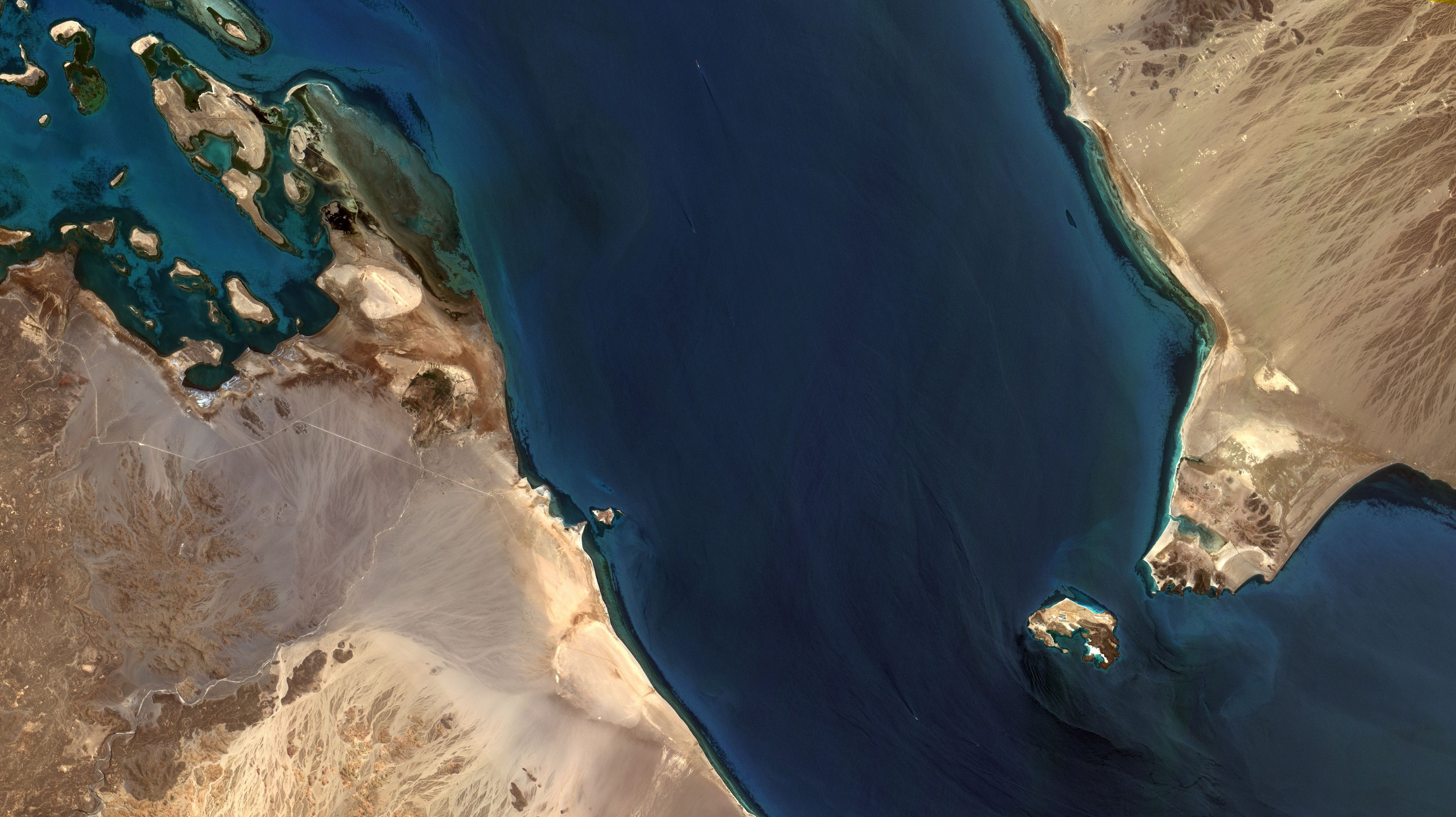
Yemen’s Houthi rebel forces have seized Perim Island, the volcanic outcrop that sits at the narrowest point of the Bab al-Mandab Strait, putting the group in physical control of the waterway’s chokepoint for the first time in the war and opening a second front in Iran’s confrontation with the US and Israel, the BBC reported.
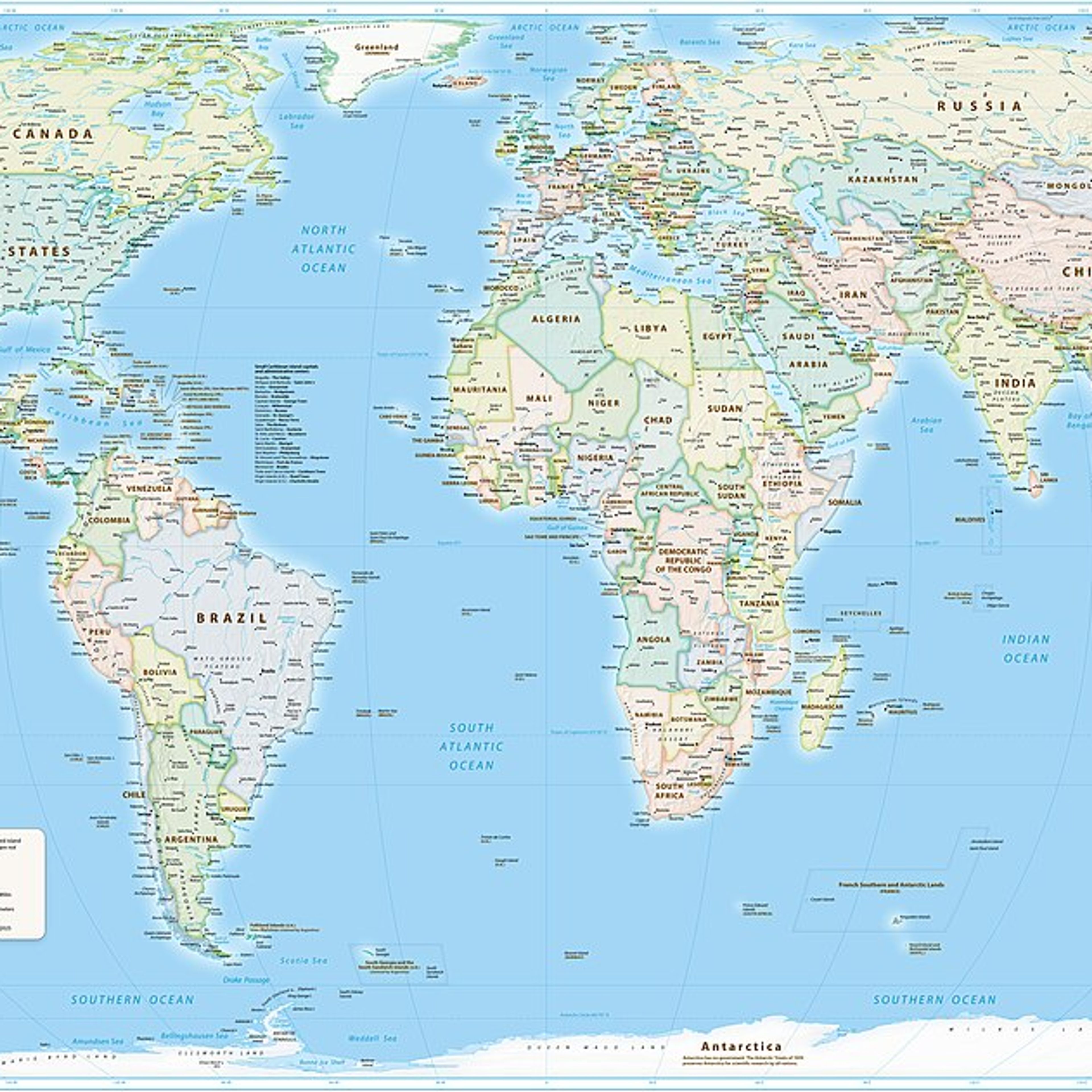
Perim, also known as Mayyun, is a roughly 13-square-kilometre island separating Yemen from Djibouti and marking the Red Sea’s southern gateway to the Gulf of Aden. Around 10 per cent of global trade passes through the strait each year, making it one of the world’s most sensitive maritime chokepoints; at its narrowest, the waterway is just 29 kilometres wide. The island has its own airstrip and straddles the strait, dividing it into two shipping channels.
Houthis, who are largely understood to have Iran’s backing although the Islamic Republic has never formally acknowledged it, took the island a day after capturing the Red Sea port of Mocha, then pushed on to the coastal town of Dhubab and the Zuqar and Hanish islands further south. The advance caps a week-long offensive that has handed the group control of nearly all of Yemen’s Red Sea coastline.
Government forces have not confirmed the loss of every island, and some field reports of “complete capture” remain unverified; Iran’s state broadcaster claimed Dhubab had fallen entirely and the strait was now “under control” – a characterisation neither Yemen’s internationally-recognised government nor independent monitors have confirmed.
However, Iran’s Al-Alam television reported, “Bab al-Mandab is under the control of the forces after the complete capture of Dhubab”, It described Dhubab and neighbouring Zuqar Island as “the last major Saudi-backed government stronghold”. The Houthis later said that their operations were “defensive” in nature and added that navigation freedom for all countries would continue through Bab-al-Mandab. However, it also said that it would enforce a “naval blockade” against Saudi Arabia whose tankers and vessels have been under attack by Houthis in recent weeks.
Alerting the international community, Yemen’s internationally-recognised government accused Tehran of engineering the capture. “Iran seeks to give the Houthis the ability to influence the Bab al-Mandab Strait and the Red Sea,” said Rashad al-Alimi, chairman of Yemen’s Presidential Leadership Council. “Attempts to change the military situation near the Bab al-Mandab Strait cannot be treated as a purely internal Yemeni matter.”
“Any threat to the Bab al-Mandab Strait directly affects the Red Sea, the Suez Canal and global trade,” he said, asserting that restoring its government control over Yemen’s coastline and territorial waters was in the shared interest of all. He flagged that the strategic strait “cannot become” a tool of Iranian pressure. The Houthis have attacked commercial shipping since late 2023 in protest against Israel’s war in Gaza, which has killed and displaced thousands of Palestinians.
Saudi Arabia will likely face much trouble because of the capture. US and Israeli operations have already curtailed shipping through the Strait of Hormuz, pushing Riyadh to reroute crude via its East–West pipeline to the Red Sea port of Yanbu. Riyadh must now also contend with the Houthis astride Bab al-Mandab and the Red Sea coast that overlooks it. Crown Prince Mohammed bin Salman called US President Donald Trump twice urging strikes against the Houthis; Trump declined, and US officials said Washington had no immediate plans for direct military action.
A disruption at the strait would ripple well beyond the region. For India, one of the world’s largest crude importers, sustained instability would force shipping firms to reroute vessels around Africa’s Cape of Good Hope, adding days to transit times and pushing up freight costs; Indian exporters in textiles, pharmaceuticals and engineering goods have already been grappling with elevated rates since the attacks began. Europe, which relies heavily on the Red Sea–Suez Canal corridor for energy and cargo from Asia, faces similar exposure.
A US-led multinational naval coalition, with several European nations participating, has been operating in the Red Sea to protect commercial shipping – with limited success in halting the Houthi advance.
The Houthis, who now control large swathes of northwestern Yemen including the capital Sanaa, have steadily built up their military capabilities since Yemen’s civil war broke out in 2014. Backed by Iran, the group has deployed drones, anti-ship missiles and naval mines with growing sophistication.
With Perim now in Houthi hands, analysts say the group has sharpened pressure on Saudi Arabia on two fronts at once – its southern border and its Red Sea trade route – just as Riyadh’s options for restraint are narrowing. Saudi Arabia has continued refusing aviation links between Tehran and Sanaa, which the Saudi-backed Yemeni government argues would be used to strengthen defence ties between Iran and the Houthis.