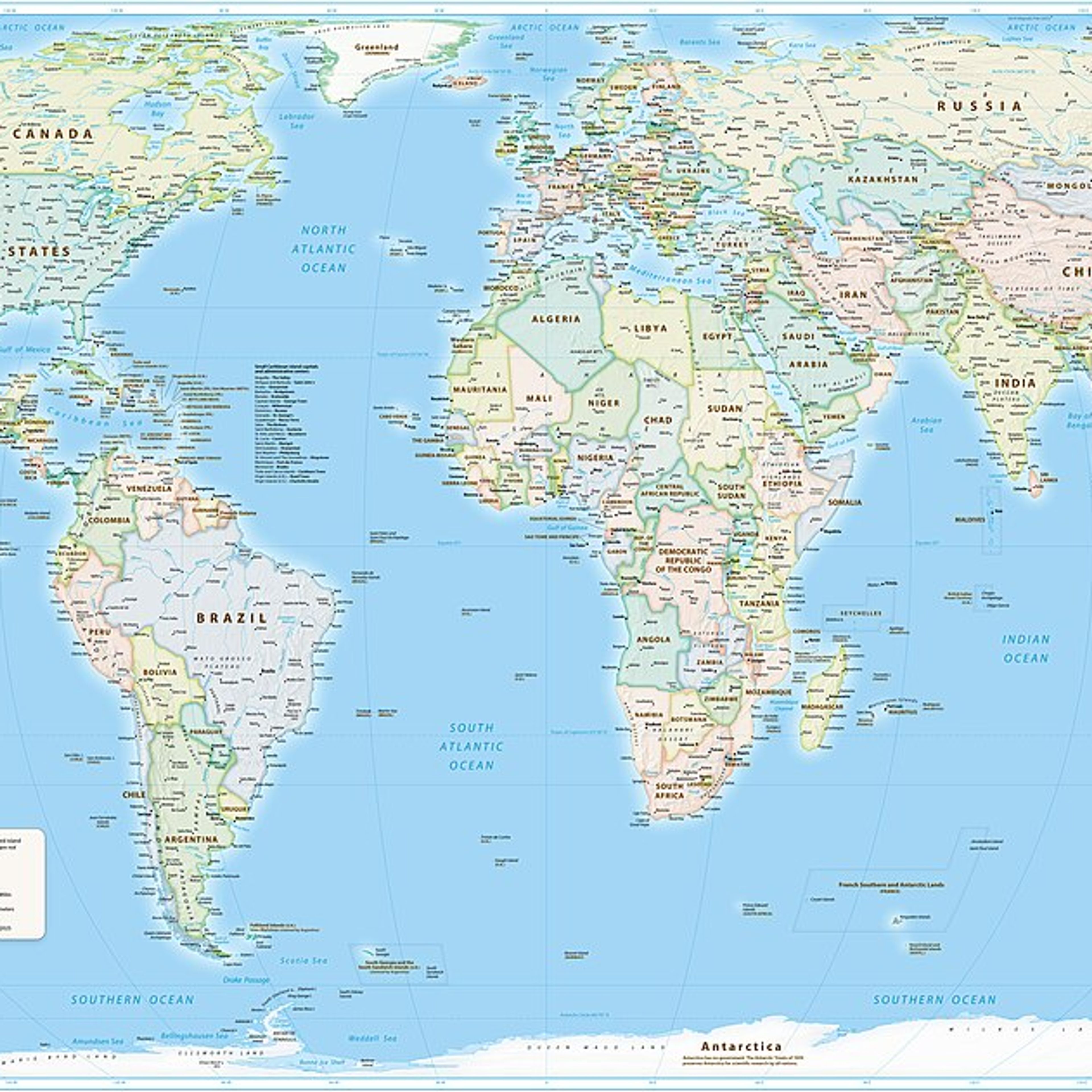
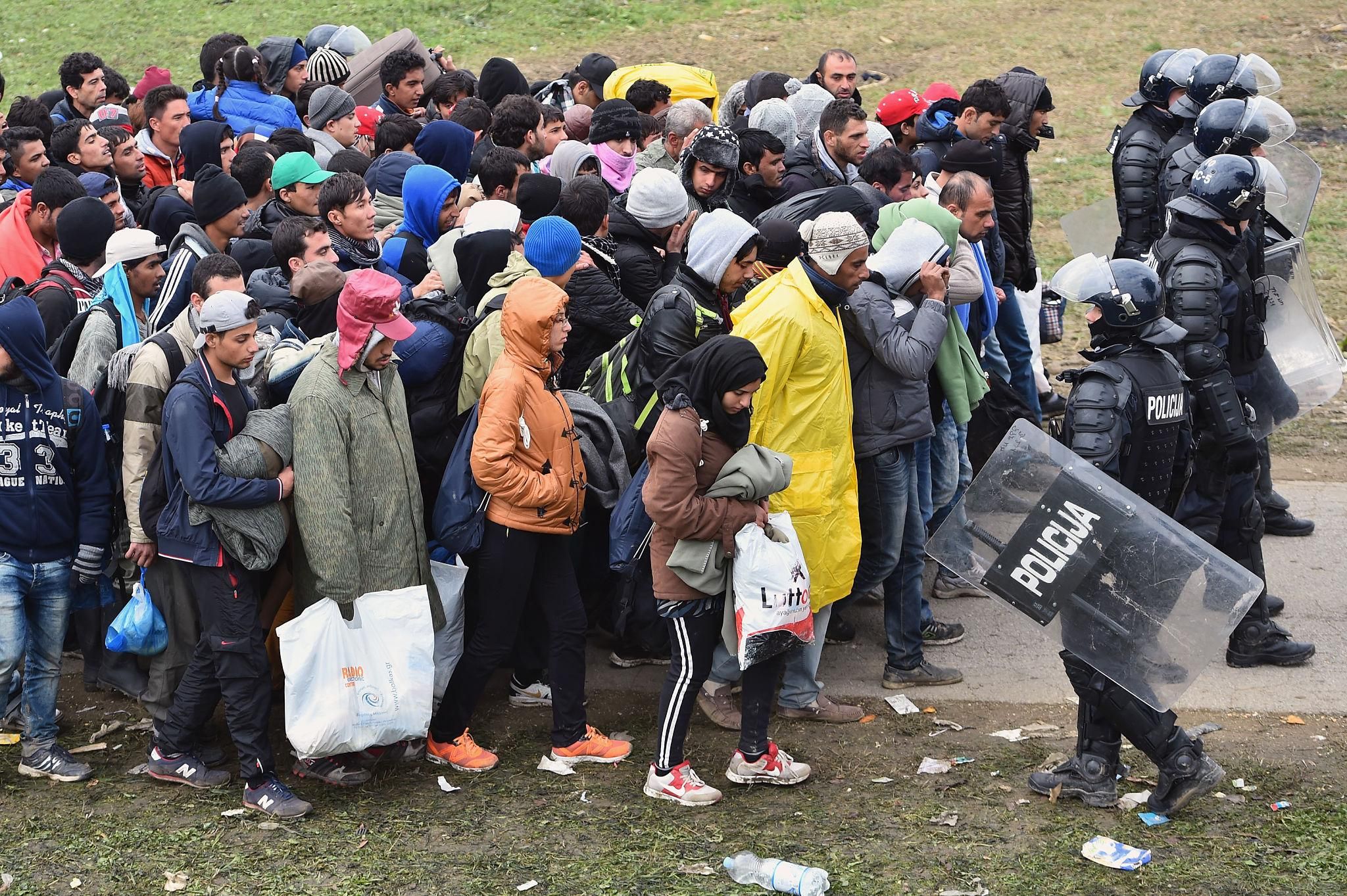
Denmark, Austria, Germany, the Netherlands and Greece have agreed to follow a common model for establishing deportation centres outside the European Union (EU). The first agreement is expected around the New Year, most likely with African countries, though no names have been disclosed so far. Uganda and Rwanda have emerged as frontrunners to host the facilities, with negotiations reportedly at an advanced stage. A non-African country, Uzbekistan, has also come up as a potential option in some news reports.
“Five European Union (EU) countries are seeking a deal with an unnamed non-EU country to host a "return hub" for migrants whose asylum applications have been rejected, with a targeted start date of January 1,” the Danish migrations minister Morten Bodskov said on Friday (September 4, 2026).
“Around New Year, we expect to have a common understanding with a partner country outside of the European Union…We do not accept that foreigners staying illegally in Denmark should be rewarded because of our difficulties in returning them," he had declared in an earlier statement.
Rights groups raise alarm
In June, the European Parliament approved tougher migration rules expanding detention powers and enabling “return hubs”, drawing sharp criticism from rights groups. Human rights groups warn the plan could trigger serious abuses. Amnesty International expressed concern, saying the “return hubs” carry an inherent danger of harm regardless of where they are built. Eve Geddie, Director of Amnesty International’s European Institutions Office, said the centres pose “a significant risk of arbitrary detention, torture, ill-treatment and forced onward returns”, and warned they could become what she called “cruel black holes” for human rights. Other humanitarian organisations have echoed Amnesty’s concerns. The International Rescue Committee, Caritas and Save the Children have separately flagged risks of prolonged detention in prison-like facilities, legal limbo for deportees and harm to children, including family separation.
Uganda and Rwanda as frontrunners
Amnesty pointed out that specific operational details of the hubs have still not been made public, even as talks with Kampala and Kigali continue. A planned facility in Uganda could become operational by 2027 and accommodate as many as 10,000 people, Amnesty says. Uganda’s rights record has drawn particular scrutiny: the country’s anti-homosexuality law makes “aggravated homosexuality” a capital offence, which Amnesty says could put LGBTQ+ deportees at acute risk.
Rwanda’s record has also come under the spotlight following its own dealings with the United Kingdom. In 2023, the UK Supreme Court unanimously found substantial grounds to believe migrants sent to Rwanda would face a real risk of refoulement, effectively ruling out the UK's own since-scrapped Rwanda deportation scheme. Rwandan government spokesperson Yolande Makolo has pushed back on suggestions that a deal is imminent, saying in August that talks with the EU states “remained preliminary” and that no agreement had been reached.
Legal limbo?
The deportation framework doesn’t explicitly guarantee the rights of the deportees. For instance, the legal status of deportees in the host countries remains one of the murkiest parts of the scheme. Legal experts warned that the regulation doesn’t guarantee deportees’ rights under the 1951 Refugee Convention once they are outside the EU. A new “safe third country” concept lets member states reject asylum claims outright without examining their merits, so long as the receiving country has agreed to consider them.
A Euronews report said only unaccompanied minors are exempt from being sent to a country they have no proven connection to – a marked departure from the older rule requiring returns to a person’s own country or one they had genuine ties to. In practice, deportees would fall into a category the law does not clearly define – neither confirmed refugees, nor ordinary migrants, nor detainees with a set release date. The human right activists said this gap is likely to be tested in court.
Another worrying aspect is the deportees need no prior connection to the host country; only a bilateral agreement between it and an EU state. This means people could be sent to nations with no historical, cultural or personal link to them, according to InfoMigrants. The hubs could serve either as a final destination or merely a transfer point pending onward removal to a deportee's actual country of origin.
EU sistances itself
Because of these concerns, EU officials quickly pointed out that this was not an EU-wide effort but an issue for individual countries. Guillaume Mercier, a European Commission spokesperson, said that the EU executive is “not involved in the discussions on the hubs”, noting that the Uganda negotiations are being conducted directly between Kampala and the five member states. The EU’s Fundamental Rights Agency has separately warned that the hubs raise serious fundamental rights concerns, setting out conditions – including independent human rights monitoring – that would have to be met for them to comply with EU law at all, implying no such safeguards currently exist in binding form.
What’s next
The EU’s new Return Regulation, approved by the European Parliament in June 2026, was described as the bloc’s toughest-ever deportation framework. The framework allows for detention periods of up to 24 months and provides the legal basis member states are relying on to pursue the hubs. The interior ministers of the five countries are due to meet again in Munich in the last half of September to review progress on the plan.