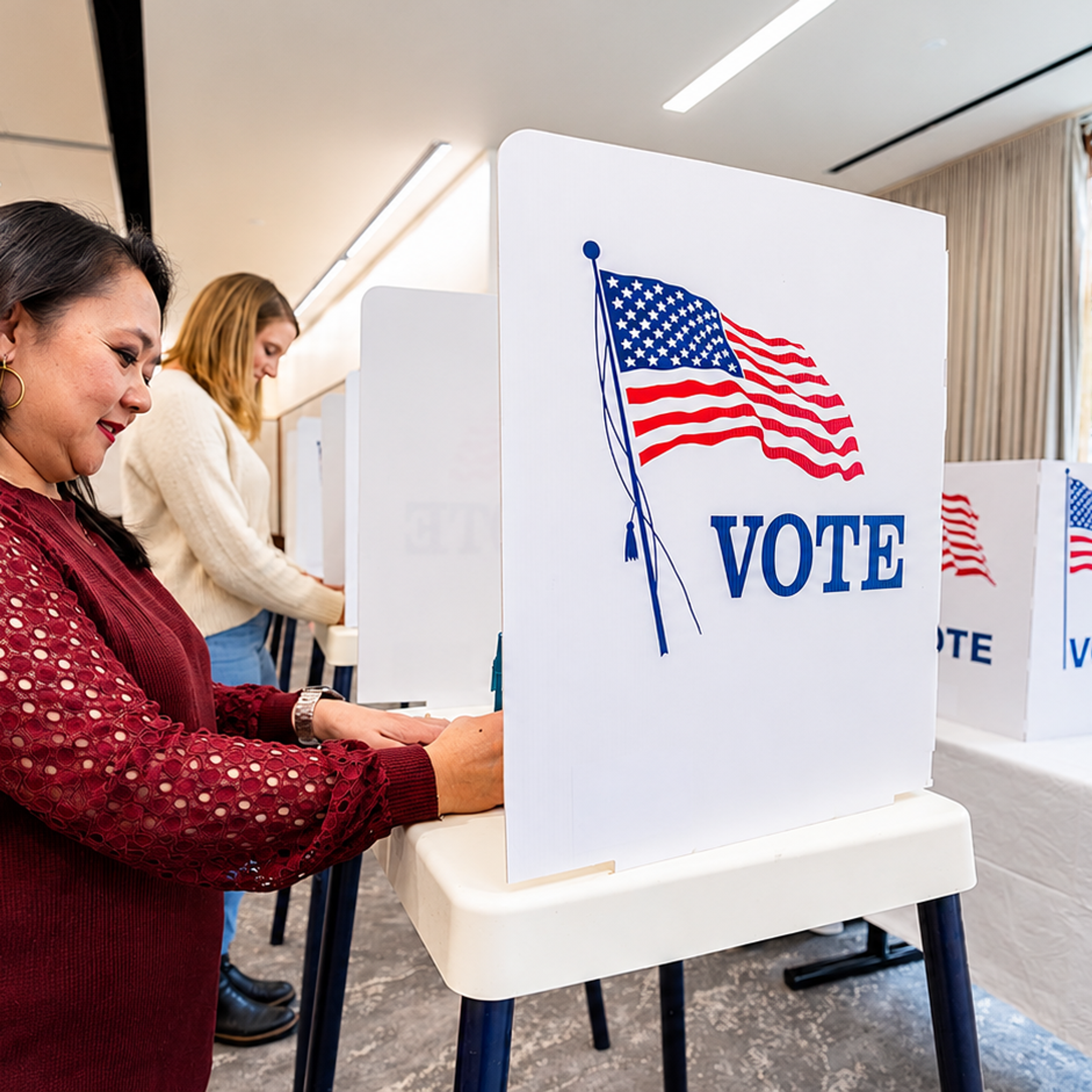
The November 3 US midterm elections have dealt a major blow to President Donald Trump and the Republican Party, with Democrats capturing control of both chambers of Congress. The results have triggered contrasting reactions worldwide. While some countries welcomed the prospect of greater congressional scrutiny of Trump’s policies, others feared that a politically weakened president could become more unpredictable in foreign affairs.
The reactions reflect the different stakes for countries dealing with Washington, from Iran’s confrontation with the US and Israel to China’s trade rivalry, Russia’s calculations over Ukraine and India’s concerns over tariffs and immigration. Political opponents of Trump also seized on the Republican setback to advance their domestic agendas.
Iran: ‘Americans said no to war’
Iran was among the most openly celebratory countries, interpreting the Republican defeat as a rejection of Trump’s military confrontation with Tehran. Parliament Speaker and chief negotiator Mohammad Bagher Ghalibaf declared that Americans had voted against war. “Conscience or the cost of living, Americans said NO TO WAR, and we endorse this message,” he wrote on X, warning that if Washington betrayed the public’s will, Iran’s “NO comes with a Nightmare”.
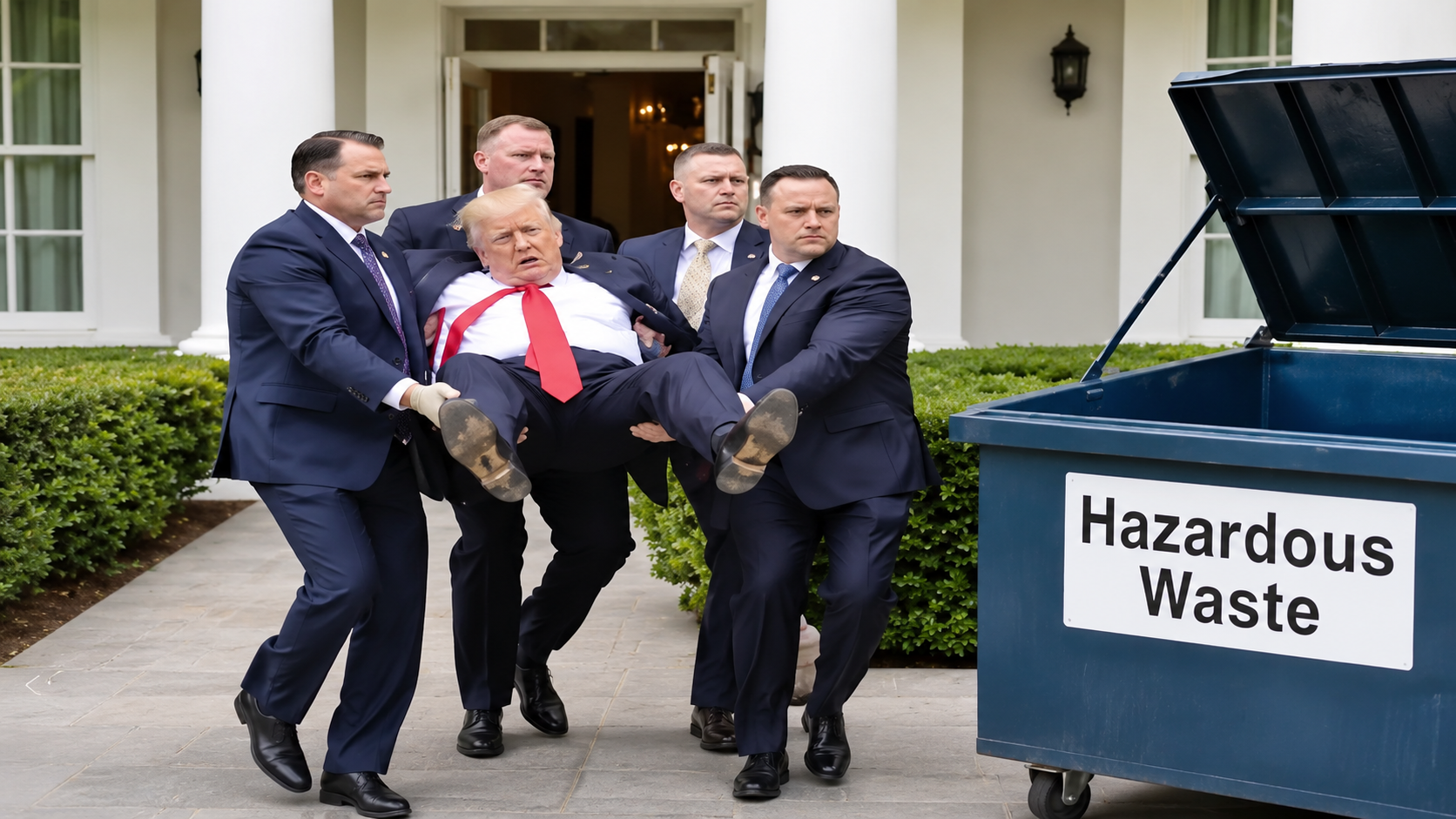
Iran’s Defence Ministry blamed the Republican setback on the “failed warmongering policies” of Trump and Israeli Prime Minister Benjamin Netanyahu. Government-linked social media accounts also circulated AI-generated videos depicting Trump being thrown into a skip. Trump himself acknowledged that the US-Israeli war on Iran had contributed to his party’s poor performance, as rising fuel prices and the economic costs of the conflict weighed on voters. Tehran’s celebrations, however, do not necessarily signal a change in US policy.
Israel: Netanyahu's opponents seize the moment
Israel, one of Trump’s closest West Asia allies, viewed the Democratic victory with apprehension. Prime Minister Benjamin Netanyahu did not immediately comment, but his opponents seized the opportunity to challenge his leadership and international standing. Opposition leader Yair Lapid said the results “eliminate any possibility of a unity government led by Netanyahu”, arguing that Israel could not afford to have him remain prime minister. Another opposition leader, Yair Golan, called for a government that would restore Israel’s international standing, strengthen diplomatic ties and safeguard its security. The results have also raised concerns about increased congressional scrutiny of Israel’s military and diplomatic policies.
China: Beijing maintains a cautious tone
China described the US midterm results as an internal American matter. Foreign Ministry spokesperson Mao Ning said Beijing was willing to strengthen communication with Washington, manage differences and expand cooperation. She also referred to the understandings reached between Chinese President Xi Jinping and Trump, expressing China’s willingness to build a constructive and stable relationship.
Beijing’s restrained response reflects its interest in avoiding fresh trade tensions. Democratic control of Congress could constrain Trump’s economic agenda but does not necessarily signal a change in Washington's broader strategic competition with China. Chinese social media, meanwhile, was less restrained, with users expressing satisfaction over the Republican losses.
Russia: Moscow wants Trump’s Ukraine diplomacy to continue
Russia responded cautiously, keen to preserve Trump’s diplomatic engagement over Ukraine. Deputy Foreign Minister Sergei Ryabkov said the Democratic leadership’s approach towards Moscow remained sharply negative, adding that Russia’s foreign policy would not be dictated by political changes abroad.
State newspaper Rossiyskaya Gazeta adopted a more provocative tone, warning Europe to brace for Trump’s anger following the Republican defeat. Moscow now faces the possibility that a Democratic-controlled Congress could increase pressure on the administration over Ukraine, even as Trump retains considerable authority over foreign policy.
Europe: Cautious optimism over the political shift
European governments largely avoided treating the outcome as an immediate turning point in transatlantic relations. Spanish Prime Minister Pedro Sánchez was among the most enthusiastic, presenting the Democratic victory as part of a wider political movement against the far right. He said American voters had rejected hatred, sexism, climate denial and the privileges of elites. Referring to Brazil and the US, he added: “It happened in Brazil. It has just happened in the US. And it will happen soon in Spain.”
European Parliament Vice-President Christel Schaldemose expressed cautious optimism over the implications for Ukraine and the green transition but stressed that Europe must continue standing on its own feet. Germany was more restrained, recognising that Trump could retain considerable influence over foreign policy despite losing congressional support.
South Africa: Ramaphosa sees a new era in world relations
South African President Cyril Ramaphosa said the Democratic takeover of both chambers of Congress could “introduce a new era in world relations”. “We have seen that the Democrats have taken control of the Senate and of the House, and the people of America have spoken,” he told reporters.
His remarks came amid strained relations between Pretoria and Washington, particularly over South Africa’s preferential access to the US market under the African Growth and Opportunity Act (AGOA). Ramaphosa acknowledged the economic setback but said South Africa would continue pursuing a bilateral trade arrangement and diversifying its export markets.
India: Congress celebrates as Modi government watches cautiously
India has responded cautiously, with the Narendra Modi government issuing no immediate public reaction. However, officials reportedly expressed optimism that Democratic control of Congress could help constrain Trump's policies on tariffs, H-1B visas, Pakistan and Iran, according to The Indian Express.
The opposition Congress openly welcomed the Republican setback. Party general secretary Jairam Ramesh described it as a “stunning verdict” against Trump and invoked the importance of midterm elections in holding governments accountable. He also used the outcome to criticise the Modi government's proposed One Nation, One Election framework. Indian media focused on the implications for bilateral ties, trade negotiations, immigration and bipartisan support for India in Washington.
Brazil: Lula’s allies celebrate, Bolsonaro camp stays guarded
Brazil’s response reflected its deep political divisions over Trump. While President Luiz Inácio Lula da Silva’s government maintained a cautious official stance, his supporters openly celebrated the Republican setback, viewing it as a blow to Trump’s political influence and a boost to progressive movements.
Congresswoman Erika Hilton welcomed the Democratic victory, describing it as a setback for Trumpism. Another Lula ally, André Janones, suggested that the Brazilian president’s re-election had inspired political movements internationally. First Lady Janja Lula da Silva joined the celebrations by sharing an image of the Statue of Liberty embracing Rio de Janeiro's Christ the Redeemer.
The reactions drew criticism from supporters of former president Jair Bolsonaro, a close Trump ally. The contrasting responses highlighted how Trump's political fortunes have become intertwined with Brazil’s ideological contest between Lula’s left-wing coalition and Bolsonaro's conservative movement.