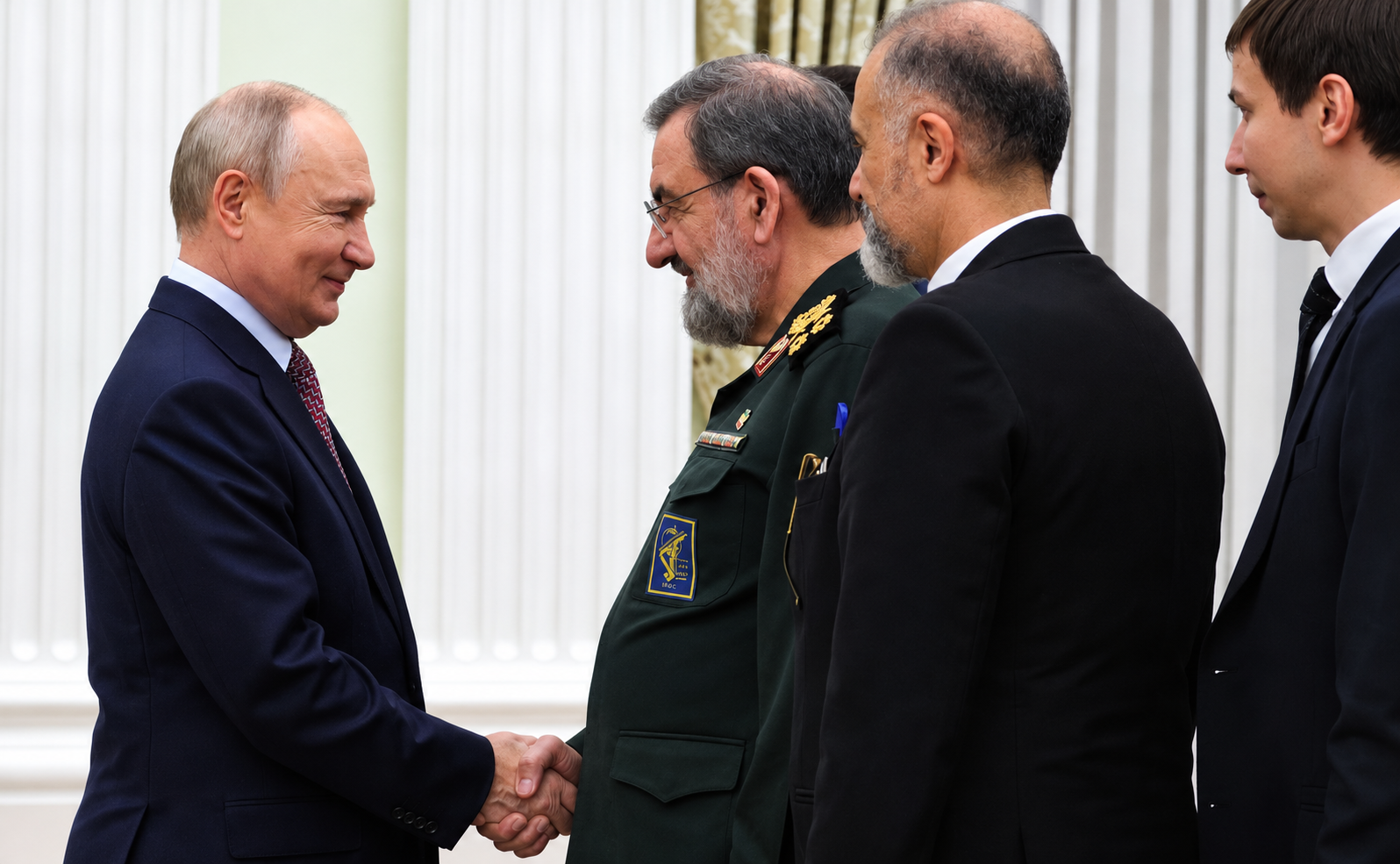
Russian President Vladimir Putin met Major General Mohsen Rezaei, Iran’s top security official, at the Kremlin on Thursday (November 5) during an unannounced visit, as Tehran stepped up diplomatic efforts to end its war with the United States. Rezaei, secretary of Iran’s Supreme National Security Council, delivered a message from Supreme Leader Mojtaba Khamenei to Putin. He told Iranian state media that Khamenei wanted the message conveyed to the Russian president as quickly as possible. Rezaei did not disclose its contents.
In a parallel diplomatic initiative, Iran has sent a nuclear proposal to the United States through Qatar, a senior Iranian official told Reuters on November 5. Although the proposal's contents have not been disclosed, the official said discussions would take place only after Washington met Tehran's seven demands. The US is reviewing the proposal. The diplomatic opening comes as Trump and Secretary of War Pete Hegseth signal their readiness to continue military operations. However, the Democrats’ victory in both chambers of Congress in the midterm elections could complicate Trump’s efforts to secure legislative and financial backing for a prolonged war. The new congressional balance could constrain Trump’s options, even as it does not automatically prevent him from continuing military operations.
Tehran’s position
The Iranian official made Tehran’s position on negotiations clear. “As long as they do not execute our seven conditions, we will neither open the Strait of Hormuz nor have negotiations,” he said. Rezaei quoted the Russian president as saying Moscow was “ready to cooperate in any way we can to help end the war”. The Kremlin confirmed the meeting but did not release a detailed account of the discussions.
The two sides discussed the post-war situation, regional security arrangements and bilateral cooperation. Rezaei also briefed Putin on consultations held in Tehran involving Iran, Saudi Arabia, Türkiye and Pakistan. According to the Iranian official, Putin welcomed the regional diplomatic initiative. Another issue discussed was a proposed gas pipeline connecting Russia and Iran. The project could help address Iran’s domestic gas shortages while allowing Russia to supply gas to neighbouring countries.
Iran’s seven conditions and nuclear proposal
Iran’s seven demands go beyond an immediate ceasefire. They include the lifting of US sanctions, the release of frozen Iranian assets, compensation for war damage, the lifting of the American naval blockade on Iranian ports, the withdrawal of US forces from the region, an end to attacks on Iran and its regional allies and an end to American threats against Tehran.
The precise formulation and grouping of these conditions have varied across Iranian statements and media reports. Nevertheless, they reflect Tehran’s attempt to secure political, military and economic concessions before agreeing to reopen the waterway.
The nuclear proposal sent through Qatar offers a possible opening for negotiations, but the sequence of concessions could remain a major obstacle. Iran wants Washington to meet its demands before substantive discussions begin on a nuclear accord, while the United States wants nuclear issues to form part of the initial negotiations. The two sides have yet to bridge this divide.
Hormuz and threat to global energy supplies
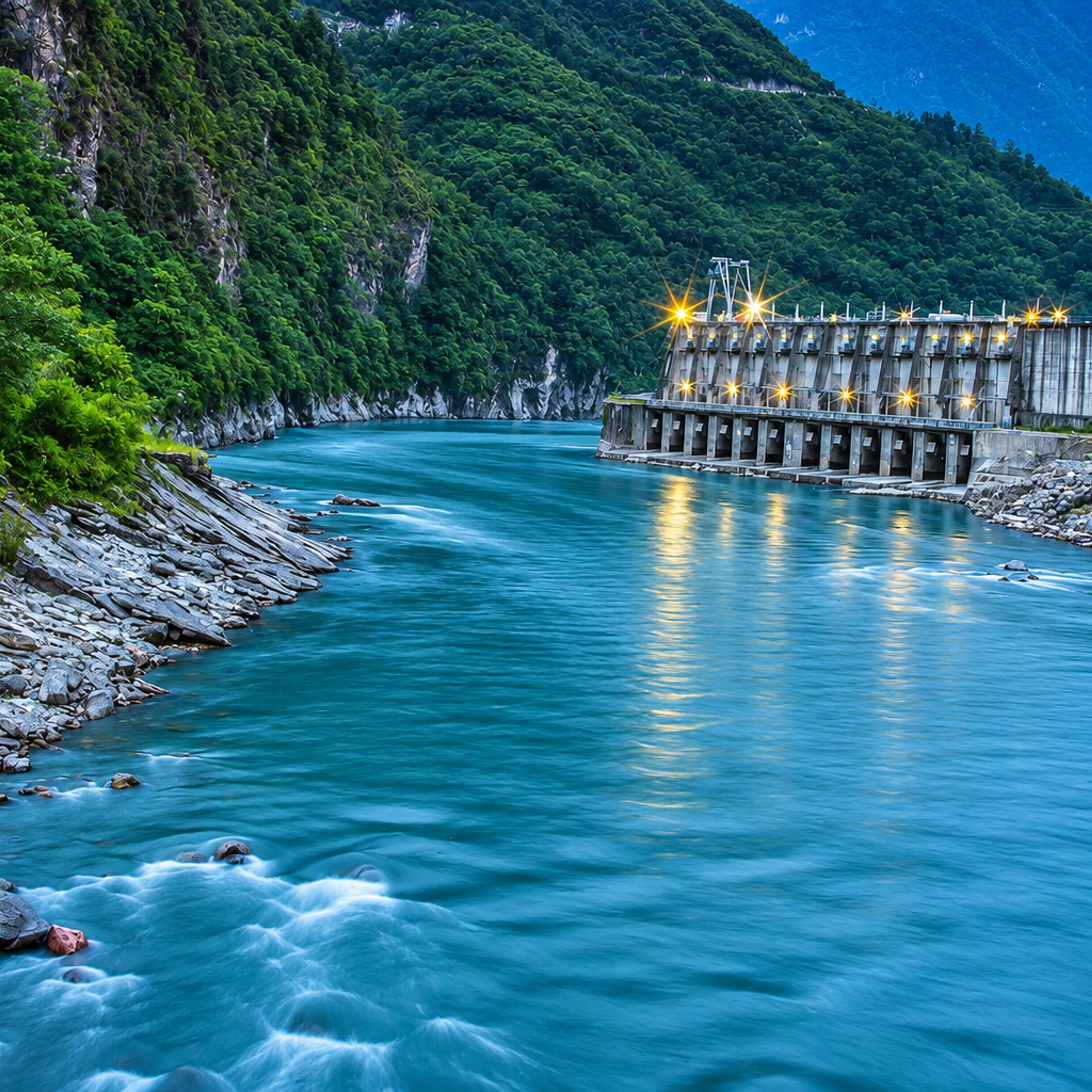
Khamenei had reinforced Iran’s uncompromising position a day before Rezaei’s Moscow visit. In a written statement on Wednesday, he said Tehran should show "not even the slightest inclination towards submission" to the United States. The confrontation over the Strait of Hormuz remains central to the conflict. The waterway connects the Persian Gulf with the Gulf of Oman and the Arabian Sea and is one of the world's most important energy shipping routes.
According to the International Energy Agency, around 20 million barrels of oil and oil products passed through the Strait daily in 2025, accounting for approximately a quarter of global seaborne oil trade. Around 80 per cent of these oil flows were destined for Asian markets, making any prolonged disruption particularly consequential for countries such as India, China and Japan.
The maritime security situation deteriorated further on November 5. Iran’s Islamic Revolutionary Guard Corps (IRGC) said two oil tankers and a tugboat caught fire in separate incidents in the Strait after attempting to navigate routes it described as unauthorised. The IRGC claimed that one tanker struck a naval mine while another caught fire farther east. A tugboat that approached the second vessel to assist with firefighting also caught fire. The Iranian military did not identify the vessels or provide details of casualties.
Qatar’s mediation and Washington's dilemma
Diplomatic efforts continue amid hardening positions. Qatar has emerged as an important intermediary, facilitating exchanges between Tehran and Washington. Iranian negotiators held discussions with Qatari mediators in Doha earlier this week, and officials familiar with the negotiations said a draft proposal to end the conflict has been circulated.
The diplomatic push comes amid uncertainty over Washington’s next move following the Republican Party’s defeat in the November 3 midterm elections. Democrats have secured control of both chambers of Congress, intensifying domestic pressure on the Trump administration over the war and its economic consequences. Trump has not ruled out renewed war against Iran. Vice President J.D. Vance has acknowledged that the war contributed to the Republican electoral setback, while Democratic lawmakers have intensified criticism of the administration’s handling of the conflict.
Defence Secretary Pete Hegseth, a prominent advocate of the military campaign, also faces growing political pressure. On Thursday, he vowed to fight efforts in Congress to impeach him and defended the war as “courageous and historic”. The new congressional balance could make it harder for the administration to secure support for additional war-related spending and sustain a prolonged military campaign. The political developments leave Trump facing competing pressures: pursue a diplomatic settlement or resume war against Iran.
Moscow’s expanding diplomatic role
Putin’s meeting with Rezaei underscores Moscow’s effort to position itself as an important diplomatic interlocutor in the conflict. Russia maintains close political, economic and military ties with Tehran and has repeatedly offered to help mediate between Iran and the United States. Its military cooperation with Iran, including earlier cooperation involving Iranian-designed drones used by Russian forces in Ukraine, has strengthened the strategic relationship.
However, Russia's ability to influence Washington remains uncertain. The Kremlin has not announced a concrete mediation framework or indicated that the United States has agreed to a formal Russian role in negotiations. There is also no indication that Putin has secured any concessions from Washington or Tehran through the latest meeting. For Tehran, the Moscow visit offers an opportunity to strengthen diplomatic backing while maintaining pressure on Washington through its control over the Strait of Hormuz. For Putin, it provides another opening to demonstrate Russia’s relevance in a conflict with consequences extending well beyond West Asia.