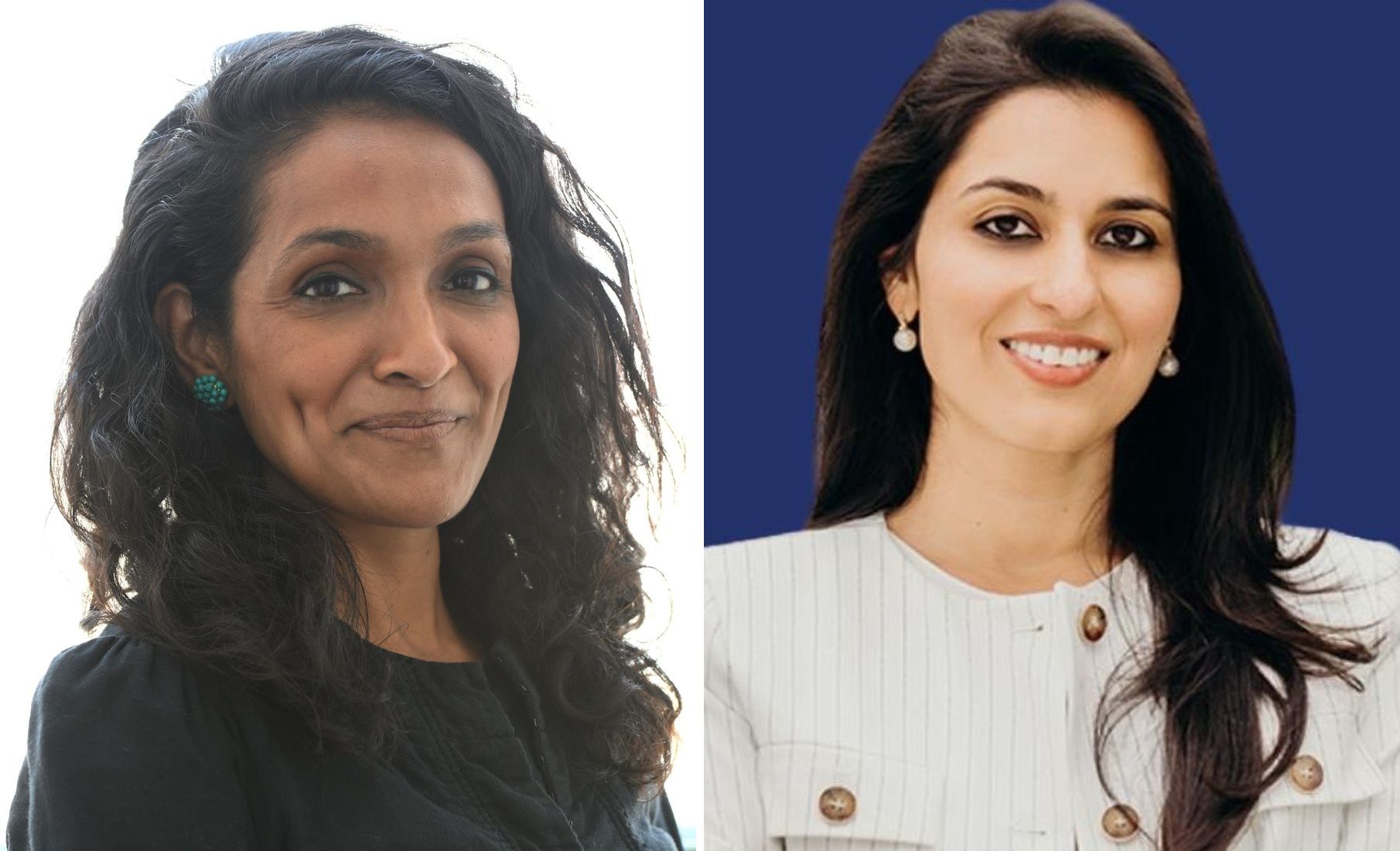
Two Indian-American women are making history on the opposite coasts of the United States in the 2026 midterm elections. Democrat Pia Dandiya has defeated Republican Casey Askar in Florida's 22nd Congressional District, while Los Angeles City Councilmember Nithya Raman is challenging incumbent Mayor Karen Bass in a closely contested race. In Los Angeles, Raman leads with 377,458 votes (51.1 per cent) against Bass's 360,864 (48.9 per cent), with approximately 62.7 per cent of the expected vote counted. Bass needs 51.9 per cent of the remaining votes to overtake her. These are latest numbers and Raman is expected to win the race as postal votes mostly favour the progressive candidates.
Landmark night for Indian-Americans
Dandiya, whose parents immigrated from India, is set to become Florida’s first South Asian member of Congress. A former high school principal from Palm Beach County, she defeated Askar in a contest that attracted national attention and approximately $34 million in campaign spending. Reflecting on her family's immigrant journey, she told supporters: “Tonight, one generation later, their daughter is about to become Congresswoman Dandiya.” She also struck a conciliatory note about her approach to Washington: “I am not going to Washington to fight with people.”
Her campaign focused on the cost of living, housing, childcare, healthcare and insurance, alongside public education, reproductive rights and protecting Social Security, Medicare and Medicaid. She also supports allowing Medicare to negotiate prescription drug prices, restoring Affordable Care Act subsidies and banning members of Congress and their spouses from trading individual stocks. On education, she pledged: “I will fight to make sure our public schools are fully funded, and our teachers get the support they need to make sure every student can succeed.”
In Los Angeles, Raman’s mayoral bid has disrupted an establishment that had expected Bass to secure another term. Raman, who became the first South Asian woman elected to the city council in 2020, announced her candidacy in February despite having previously endorsed Bass's re-election. Frustrated with the city’s handling of homelessness and basic services, she told NBC Los Angeles she had become "very, very frustrated with Los Angeles". If she holds her lead, she would become the first South Asian woman to lead America's second-largest city.
Two different paths into politics
Both women built their public profiles through professional and grassroots work, but followed different routes into electoral politics. Her experience in public education shaped Dandiya's political convictions. As a high school principal, she witnessed the pressures facing underfunded schools and working families. She subsequently became active in Democratic politics in South Florida, advocating for education, healthcare and reproductive rights.
She initially entered the 2026 election cycle challenging Republican Congressman Brian Mast in Florida's 21st District. However, the Republican-controlled legislature redrew the state's congressional map in May, moving her into the newly configured 22nd District. Rather than withdraw, she adapted her campaign and defeated Askar. The victory is particularly significant because Donald Trump had carried the district by approximately 10 percentage points in 2024, making it a notable Democratic upset.
Raman’s route was more unconventional. Trained as an urban planner and acoustic engineer, she became involved in homelessness advocacy through grassroots organising and co-founded the SELAH Neighbourhood Homeless Coalition. In 2020, backed by the Democratic Socialists of America (DSA), she contested Los Angeles City Council's 4th District on a platform of neighbourhood organising and small-dollar donations. She defeated incumbent David Ryu, becoming the first South Asian woman elected to the council.
Her subsequent work focused on affordable housing, homelessness, tenant protections and police reform. A progressive voice in city politics, she developed a reputation for challenging established approaches to urban governance. Her decision to challenge Bass was particularly surprising given their earlier political alliance. However, growing frustration with the city's performance eventually prompted her to seek the mayor's office.
Homelessness and public safety
While Dandiya’s victory was shaped partly by redistricting and national party politics, Raman’s mayoral campaign has centred on homelessness, public safety and government accountability.
Raman has pledged to reduce street homelessness by at least 50 per cent before the 2028 Olympics and eliminate long-term encampments. She also wants public expenditure tied to measurable outcomes, with a real-time dashboard tracking progress. She has sharply criticised Bass’s Inside Safe initiative, which moves homeless people from encampments into temporary accommodation. Raman argues that the programme is expensive and insufficiently effective, claiming that approximately 40 per cent of those moved indoors eventually return to the streets.
Bass’s campaign has pushed back. Her adviser Douglas Herman argued that the last thing Los Angeles needed was “a politician who opposed cleaning up homeless encampments and efforts to make our city safer.” Public safety has exposed another political fault line. Raman, who supported the 'Defund the Police' movement in 2020, has since moderated her position and says the Los Angeles Police Department should maintain its current size. The shift reflects her attempt to broaden her appeal beyond the progressive base that propelled her into city politics.
Mike Bonin, executive director of the Pat Brown Institute at Cal State LA, assessed her influence: “Nithya helped shift the city from an emphasis primarily on criminalisation to an emphasis primarily on housing and shelter.” For Bass, the contest defends her mayoral record. For Raman, it is a chance to show that a progressive challenger can defeat an incumbent backed by much of the political establishment.
A broader story of political ascent
The two campaigns illustrate the growing influence of Indian-Americans in US electoral politics, particularly women competing for positions of significant political power. Dandiya’s victory adds another Indian-American voice to the House of Representatives. If Raman wins, South Asian representation would extend to the leadership of one of America's most influential cities.
Their journeys also demonstrate different routes to political power: Dandiya through education and public administration, Raman through grassroots activism and progressive politics. One has secured a congressional victory in Florida; the other is challenging an incumbent mayor in California. Together, they signal a shift from symbolic minority representation towards a more consequential presence in American political leadership.