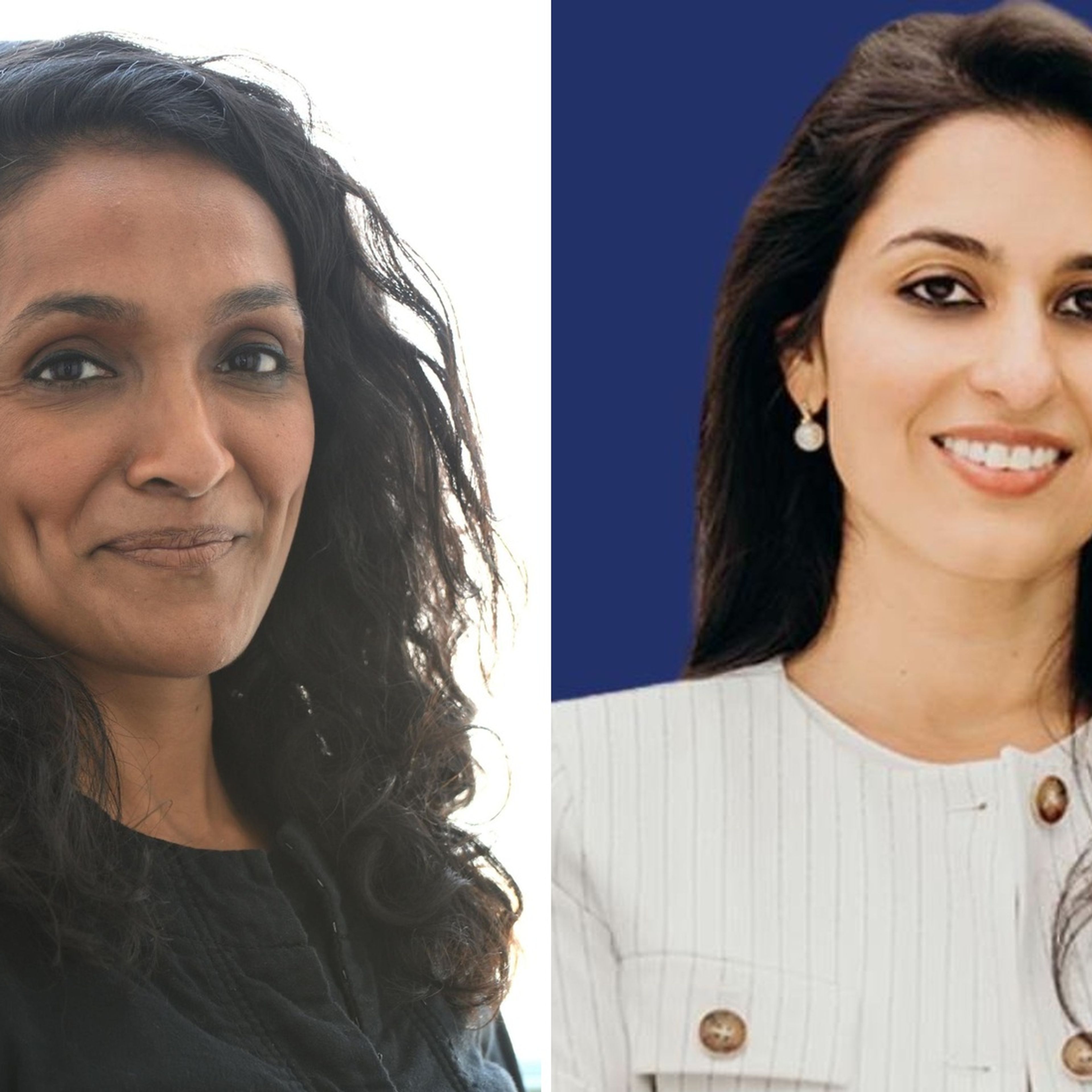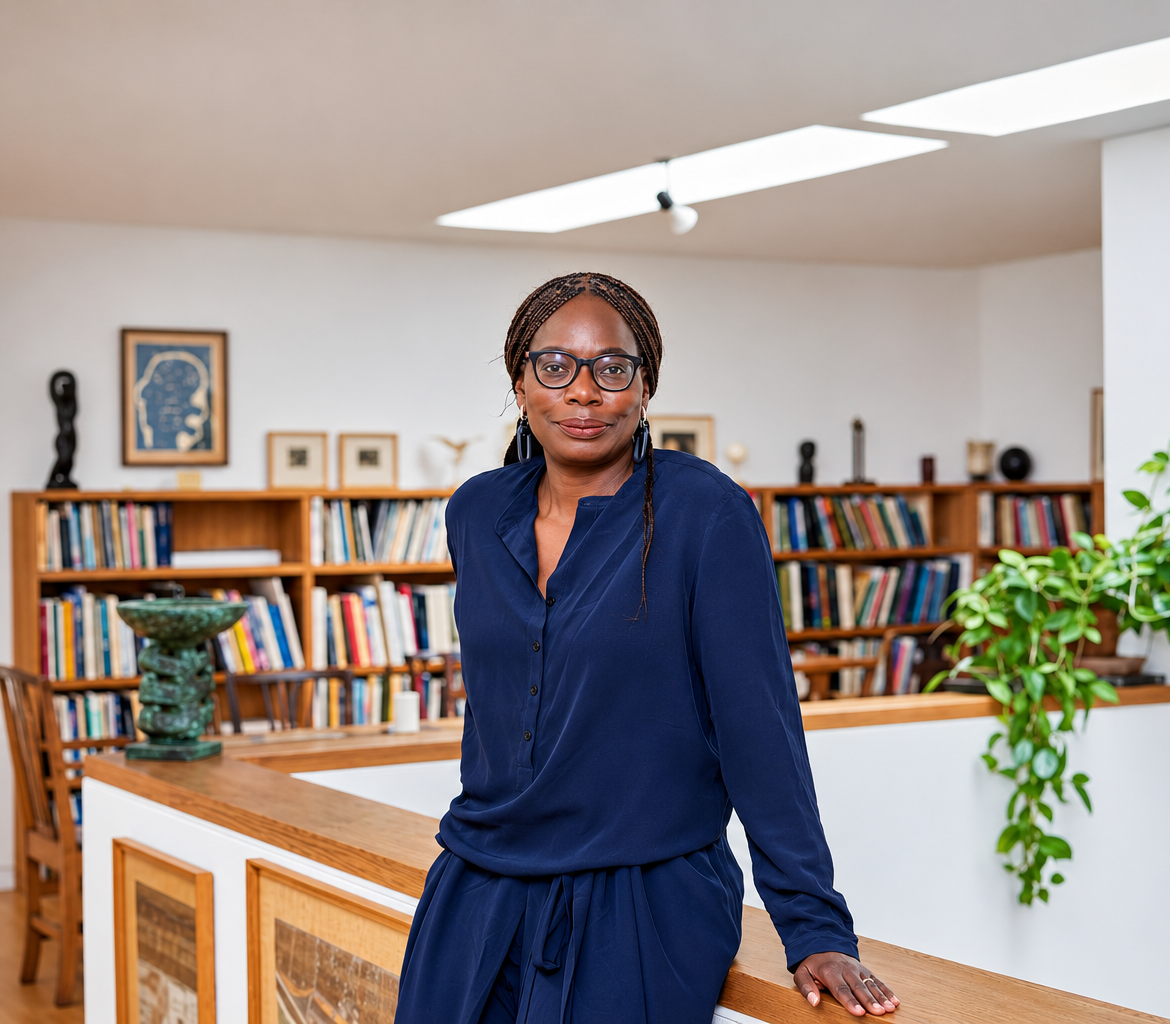
The world’s top court is now deciding cases on Gaza, Ukraine and the limits of state power, and a Kenyan scholar will help decide them until 2036. Professor Phoebe Okowa won a full nine-year term on the International Court of Justice (ICJ) on Tuesday (November 3), taking the last of five seats after a three-round contest at UN headquarters in New York that split the General Assembly and the Security Council. Her victory secures the first Kenyan presence in the history of the court, in a year when its docket has never been heavier.
Okowa’s term runs until 2036. It was the most hard-fought of the five elections held on Tuesday, and its significance reaches well beyond Nairobi.
Why It Matters
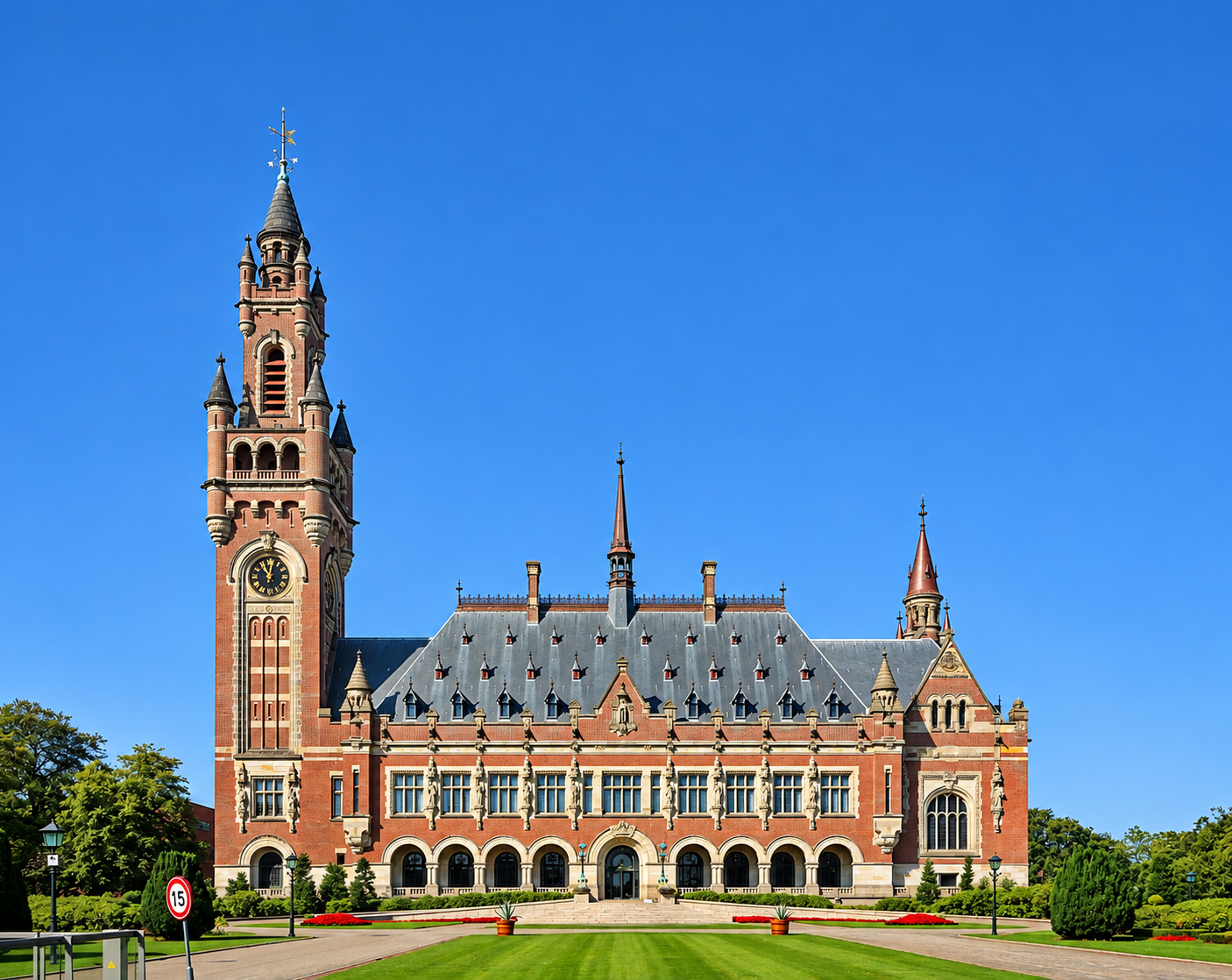
The ICJ, colloquially known as the World Court, is the principal judicial organ of the United Nations and the only international court that adjudicates general disputes between countries. Its judgments and advisory opinions are among the most authoritative statements of international law. The court, whose seat is in The Hague, consists of 15 judges elected by an absolute majority of votes in both the General Assembly and the Security Council, from among jurists and high-level judges of high moral character. The judges, who are eligible for re-election, serve nine-year terms, with the court renewed by thirds every three years.
The bench is required to represent “the main forms of civilization and the principal legal systems of the world”, and no two judges may be nationals of the same country. Yet Kenya, a country of 55 million people and one of Africa’s most prominent legal cultures, had never held a seat. Okowa became the first Kenyan to serve as an ICJ judge in November 2025, when she was elected to fill a vacancy left by a resignation. This week’s vote gives her a full term in her own right.
In practice, the court’s composition has generally included a judge from each of the Security Council’s five permanent members, but there have been exceptions. There was no Chinese judge from 1967 to 1985, and there have been no judges from the UK and Russia since 2018 and 2024, respectively. Okowa’s election preserves African representation on a bench that faces an expanding docket of high-stakes inter-state disputes.
Who Is Phoebe Okowa?
Phoebe Nyawade Okowa, born on January 1, 1965 in Kericho, Kenya, is a leading international law scholar, judge, and advocate whose career bridges academia, diplomacy, and high-stakes international litigation.
She holds a Bachelor of Laws degree from the University of Nairobi and a Bachelor of Civil Law degree as well as a doctorate from the University of Oxford. She has served as Professor of Public International Law at the School of Law at Queen Mary University of London. She has also taught Public International Law, British Constitutional Law, and Private International Law as a member of the Faculty of Law at the University of Bristol.
Okowa is an internationally recognised scholar whose work spans state responsibility, environmental harm in armed conflict, the use of natural resources, and the practice of international courts and tribunals. She also serves on the United Nations International Law Commission, contributing to the codification and progressive development of international law, and has been a member of the Permanent Court of Arbitration at The Hague.
Okowa was appointed by Princeton University’s University Center for Human Values as a Fellow in Law and Normative Thinking for 2024-25. She was awarded an Honorary Doctorate in Law by the University of Stockholm in 2024. She was also elected an Associate Member of the Institut de Droit International, founded in 1873 and awarded the Nobel Peace Prize, which brings together leading experts whose work informs the development of international law worldwide.
Notable Work Before the Court
Before taking her seat as a judge, Okowa was a formidable advocate in the very chamber she now adjudicates from. Most recently, she represented Namibia as counsel in ICJ advisory-opinion proceedings on Israel’s obligations towards the UN agency for Palestinian refugees, UNRWA, arguing that Israel’s legal ban on the agency violated its obligations under the UN Charter. She has also acted as counsel or consultant for governments and non-governmental organisations in proceedings before the ICJ and the International Tribunal for the Law of the Sea.
How the Election Unfolded
Okowa secured the required majority in elections conducted by the United Nations General Assembly and Security Council in New York, after three rounds of voting involving nine candidates competing for five positions.
The road was not straightforward. Under the ICJ Statute, a candidate must win an absolute majority in both the General Assembly and the Security Council simultaneously. In the early rounds the two bodies backed different candidates: the General Assembly was behind Okowa, while the Security Council favoured Ecuador’s Marcelo Vázquez-Bermúdez. Okowa could not be declared elected without Security Council support.
The contest became, in its later stages, an intra-African affair. The African Union had sought to present a unified candidate but failed to persuade either Okowa or Sierra Leonean jurist Charles Chernor Jalloh to withdraw. As the rounds progressed, Jalloh stepped aside, as did Paik Jin-Hyun of the Republic of Korea and Vázquez-Bermúdez. Peru’s Luz del Carmen Ibáñez Carranza remained in the race until the final ballot, in which she received just two votes in the General Assembly against Okowa’s 183, with six abstentions among the 191 member states participating. In the Security Council, Okowa received 13 of 15 votes.
Kenya’s Principal Secretary for Foreign Affairs, Korir Sing'oei, addressed UN members at the conclusion of the campaign in New York, making the case in terms of principle rather than national pride. “Our submissions urged the members of the UN present to reflect on the kind of Court our international community needs – the principles that must guide its composition, and the qualities required of those entrusted with interpreting and applying international law at this consequential moment in our shared history. Prof Okowa meets these demanding standards admirably, and we commended her candidature to all,” he said.
She Sits as a Judge, Not a Kenyan Delegate
A distinction fundamental to the court’s integrity is that ICJ judges do not serve as representatives of their governments but as independent judges, with no more than one judge of any nationality sitting on the court at a time. This means Okowa may hear cases involving Kenya itself and is expected to deliver independent judgments, a principle that underscores the court’s character as a judicial body rather than a political forum.
Okowa joined the ICJ in November 2025 after being elected to fill a vacancy left by Judge Abdulqawi Ahmed Yusuf of Somalia, who resigned. Tuesday’s vote grants her a full nine-year term in her own right, running from February 6, 2027 to 2036.
The Other Four Judges Elected
Okowa was the last of five judges elected that day. The other four secured concurrent majorities in both bodies in the first round.
Dapo Akande (United Kingdom): Akande is Professor of Public International Law at the University of Oxford, where he holds the Chichele Professorship, one of the most distinguished chairs in the discipline. He originally qualified as a lawyer in Nigeria before building an international legal career in the United Kingdom. His election restores British presence on the ICJ bench, against the backdrop of previous tensions between the UK and the court over the Chagos Islands dispute.
François Alabrune (France): A career diplomat and jurist, Alabrune served as legal adviser at the French Ministry for Europe and Foreign Affairs and most recently as France’s ambassador to the Netherlands. France has supported the court since its creation in 1945.
Mahmoud Daifallah Hmoud (Jordan): Hmoud is an incumbent ICJ judge, elected in May 2025 to fill a vacant seat for a term ending on February 5, 2027. Tuesday’s election grants him a full nine-year term in his own right.
Rena Lee (Singapore): Singapore’s Ambassador for International Law, Lee is the first Singaporean elected to the ICJ. She received 151 of 191 votes in the General Assembly and 13 of 15 in the Security Council, and has worked in international law for more than 30 years.
A Court at a Critical Juncture
Since March 3, 2025, the court has been presided over by Japan’s Yuji Iwasawa. The terms of all five judges begin on February 6, 2027, on a bench that includes judges from Germany, Australia, Brazil, Mexico, the United States, Romania, and South Africa, among others.
The court’s docket has never been more consequential. It is currently seized of disputes touching on sovereignty, territorial integrity, and international humanitarian law, including proceedings arising from the conflict in Gaza and Russia’s invasion of Ukraine. For Kenya, for Africa, and for a rules-based international order under acute strain, Phoebe Okowa’s presence on that bench carries a significance that extends far beyond the vote count.