Paraguay’s president, Santiago Peña, has announced his resignation over the collapse of a bank tied to his past business interests, but Congress has refused to accept it, leaving him in office while the Senate tries him on impeachment charges.
Peña, a conservative and close ally of US President Donald Trump, said in a video on X that he was stepping aside to protect stability and democratic institutions. “It was never my intention to betray the trust you placed in me,” he said. He apologised to the public but stopped short of accepting responsibility for the crisis.
Within minutes, the lower house voted 78-0 to impeach him, a tally of the deputies present, and sent the charges to the Senate. A former International Monetary Fund economist elected in 2023, Peña had been welcomed in Washington only weeks earlier as a key ally of the Trump administration.
How the crisis unfolded
The trigger was the failure of Ueno Bank, a digital lender that had grown from a niche fintech into a mid-sized bank handling close to $850 million of public funds. Paraguay’s central bank took over the bank this week, saying it acted to protect depositors and the wider financial system. About three million customers, close to half the population, were left unable to reach their money. Once its books were corrected, the bank’s capital fell to less than half the legal minimum. Long queues snaked through the streets of Asunción on Tuesday and Wednesday.
Peña tried to contain the damage. He asked the central bank’s governor, Carlos Carvallo, to resign, and Carvallo did so. The interim chief, Pedro Acosta Bernal, insisted that “the banking system is sound”. The government set a five-day deadline for funds to be returned, and eight Ueno executives have been detained.
Why the president was personally exposed
Peña was a shareholder in Grupo Vázquez, which owned the bank until March 2025. He has denied any direct connection to the lender itself. Lawmakers have accused him of conflicts of interest, misuse of pension funds and institutional cover-ups. Thirty-five opposition and ruling-party dissident deputies brought the impeachment charges.
His position collapsed when his own side turned on him. Horacio Cartes, the former president who leads the ruling Colorado Party, backed impeachment, saying the party would not side with “the plundering of public and private funds and pensioners’ money”. Cartes is widely seen as Peña’s political mentor, and the party, which holds a majority in both houses of Congress, has long dominated Paraguayan politics.
Why resigning is not the end
In Paraguay’s system, the lower house accuses and the Senate judges. Removal requires 30 of the Senate’s 45 votes. The Senate opened the trial on Thursday night and ordered Peña to answer the charges on Friday morning. He has said he will appear and defend himself, and the government confirmed that he remains in the country.
The fight over the resignation is really a fight over immunity. Former presidents in Paraguay ordinarily become senators for life, with a degree of legal protection from prosecution, but that status is not conferred on a president convicted in an impeachment trial. Opposition senators argued that accepting his resignation would preserve that route. A joint session to consider the resignation lost its quorum after Colorado Party lawmakers walked out, as it became clear there were not enough votes to accept it.
Paraguay has a precedent for speed. In 2012, the Senate removed President Fernando Lugo, 39 votes to four, in a trial lasting about five hours, a day after the lower house voted to impeach him.
Criminal cases
The Attorney General, Emiliano Rolón Fernández, ordered three criminal investigations, including allegations involving Peña and other current and former officials. Peña has said that he will cooperate with investigators, even as opposition lawmakers insist he must face justice.
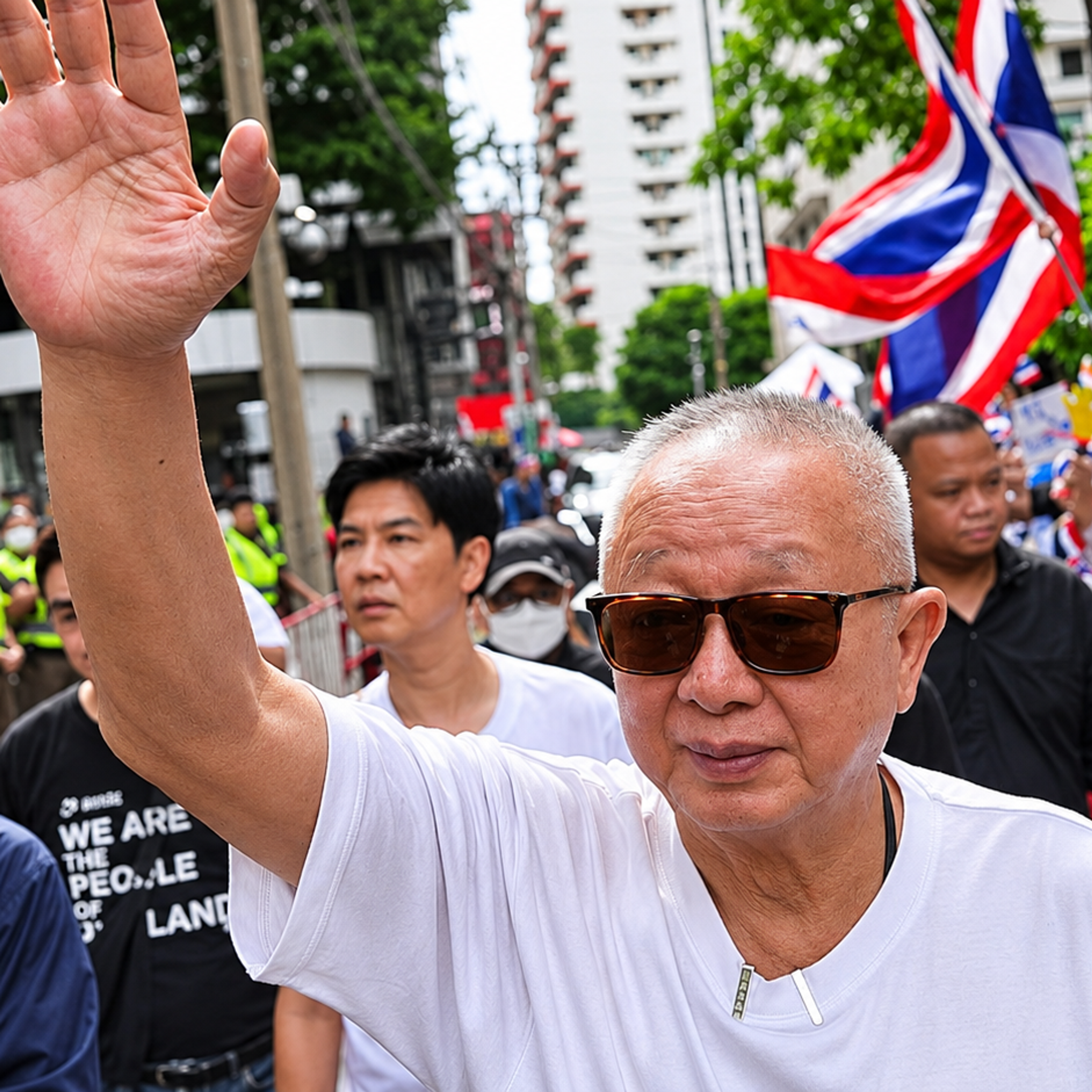
Protesters marched on Congress this week, and the resignation did little to calm them. “Santiago Peña and the Colorado Party have stolen all our savings,” said Luis Pineda, one of the marchers. Young Ueno employees burned their credit cards outside the Labour Ministry, demanding severance pay and unpaid wages.
What comes next
If the Senate convicts Peña, or if Congress accepts his resignation, Vice-President Pedro Alliana would take over and serve out the term to August 2028. Lawmakers would then choose a new vice-president. Alliana is not clear of the scandal. The lower house rejected an impeachment motion against him by 48 votes to 30, and he had been seeking the Colorado Party’s nomination for the 2028 election, since presidents serve a single term.
Whoever governs next must return depositors’ money and restore confidence in a banking system that officials insist is sound.