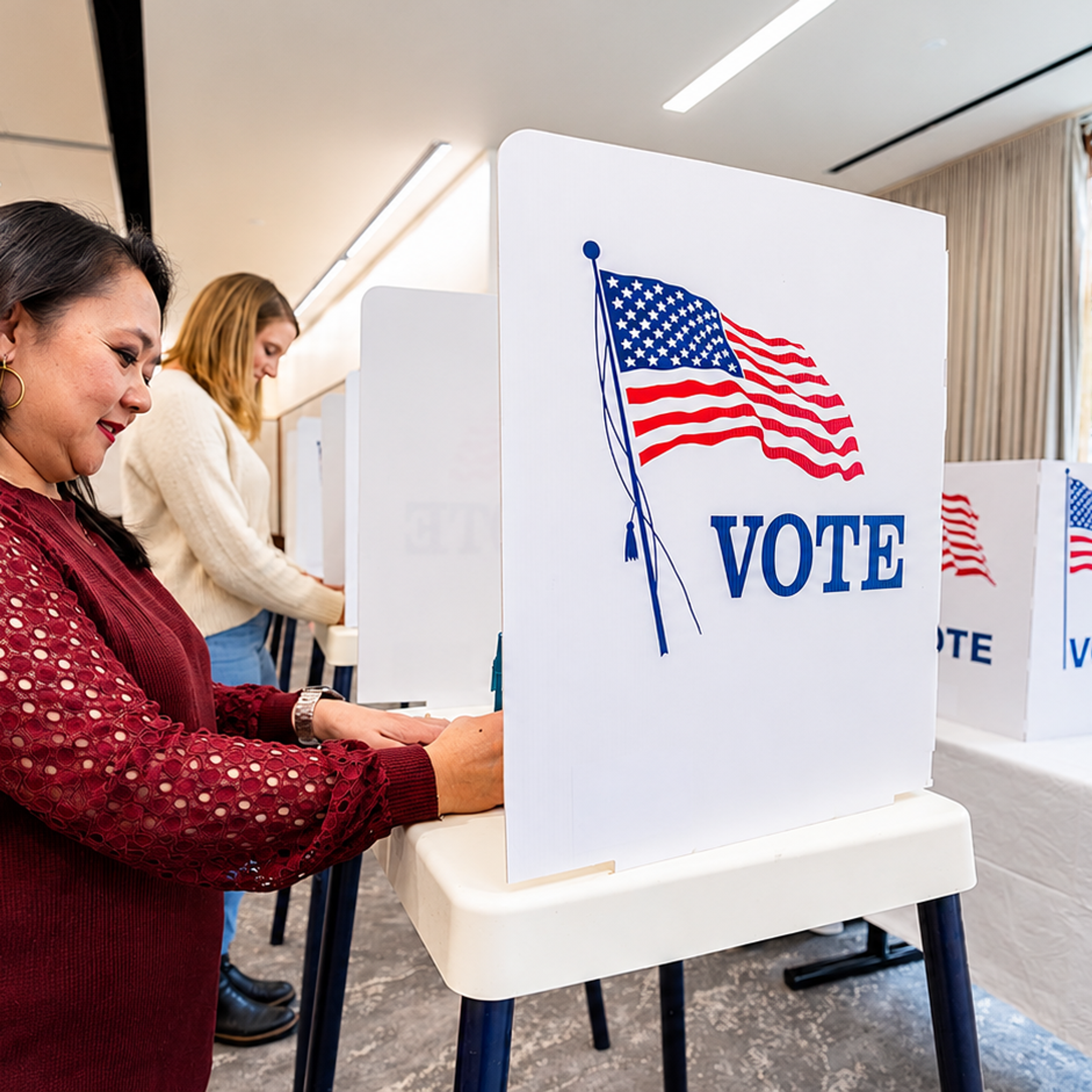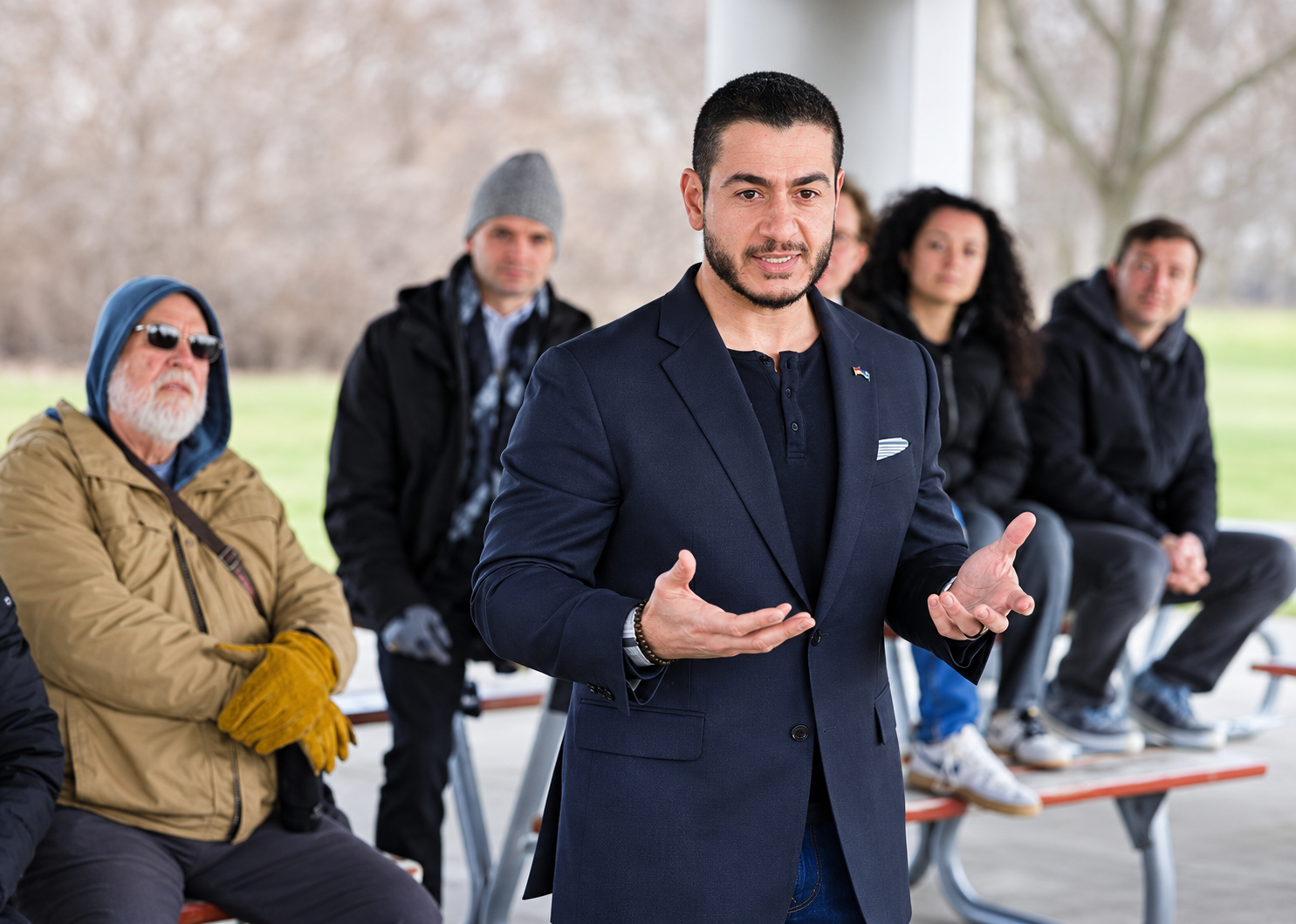
Voters in the US midterms have elected the country’s first Muslim senator and its first Black woman governor, among a string of historic firsts for the Senate, governors’ mansions and the House.
The elections on November 3, which Democrats are projected to have won across both chambers of Congress, also made Minnesota’s first woman governor, Texas’s first Latina governor and Wisconsin’s first Black governor. Democrats also won a majority of governorships for the first time in two decades. Alaska’s Senate race, which could add another first, was still too close to call.
Here are the milestones.
Senate and House: new faces
Abdul El-Sayed became the first Muslim elected to the US Senate, defeating Republican Mike Rogers in Michigan. The son of Egyptian immigrants, he is a physician and former public health official, and he was outspent by about 3-to-2. He also overcame millions of dollars in outside spending against him in the primary, including from groups affiliated with the pro-Israel lobby AIPAC.
Chris Pappas became the first openly gay man elected to the Senate, and only the third openly LGBTQ member after Tammy Baldwin and Kyrsten Sinema. He defeated former Republican senator John Sununu in New Hampshire for the seat of retiring Democrat Jeanne Shaheen.
Peggy Flanagan became the first Native American woman elected to the Senate, representing Minnesota. A citizen of the White Earth Band of Ojibwe, she defeated Republican Michele Tafoya, a former NFL sideline reporter.
Juliana Stratton won Illinois, succeeding retiring Senator Dick Durbin. When she takes office in January, three Black women will serve in the Senate at once for the first time, alongside Angela Alsobrooks and Lisa Blunt Rochester.
James Talarico became the first Democrat elected to the Senate from Texas since 1988, defeating Ken Paxton, whom Trump backed over incumbent John Cornyn in the Republican primary.
Annie Andrews, a paediatrician, flipped South Carolina, the state’s first Democratic Senate win since 1998. She defeated Darline Graham, who was appointed after the death of her brother, Senator Lindsey Graham, in July. Trump won the state by nearly 18 percentage points in 2024.
Adam Hamilton ended Kansas Democrats’ near-century-long wait for a Senate seat. The pastor of the nation’s largest United Methodist church defeated incumbent Republican Roger Marshall.
Josh Turek, a two-time Paralympic gold medallist in wheelchair basketball, won Iowa, the state’s first Democratic Senate victory in more than a decade. He defeated Republican congresswoman Ashley Hinson for the seat of retiring Republican Joni Ernst. Born with spina bifida, Turek competed at four Paralympic Games and won gold in 2016 and 2020.
In Alaska, Democrat Mary Peltola and Republican incumbent Dan Sullivan were locked in a tight race. Peltola, a former congresswoman, would be the first Alaska Native in the Senate and the first Alaska Democrat to win a Senate race since Mark Begich in 2008. The Trump administration has sued to block certification of the result if she wins, citing voter confusion.
In the House, Claire Valdez, a democratic socialist and citizen of the Ysleta del Sur Pueblo, won New York’s 7th District, which Nydia Velázquez is vacating. She is billed as New York’s first Native American woman in Congress.
Governors: barriers fall
Keisha Lance Bottoms became the first Black woman elected governor of any US state, and Georgia’s first female governor. The former Atlanta mayor defeated billionaire Rick Jackson, who put more than $200 million of his own money into the race, and succeeds Republican Brian Kemp. Stacey Abrams, the Democratic nominee in 2018 and 2022, lost both times.
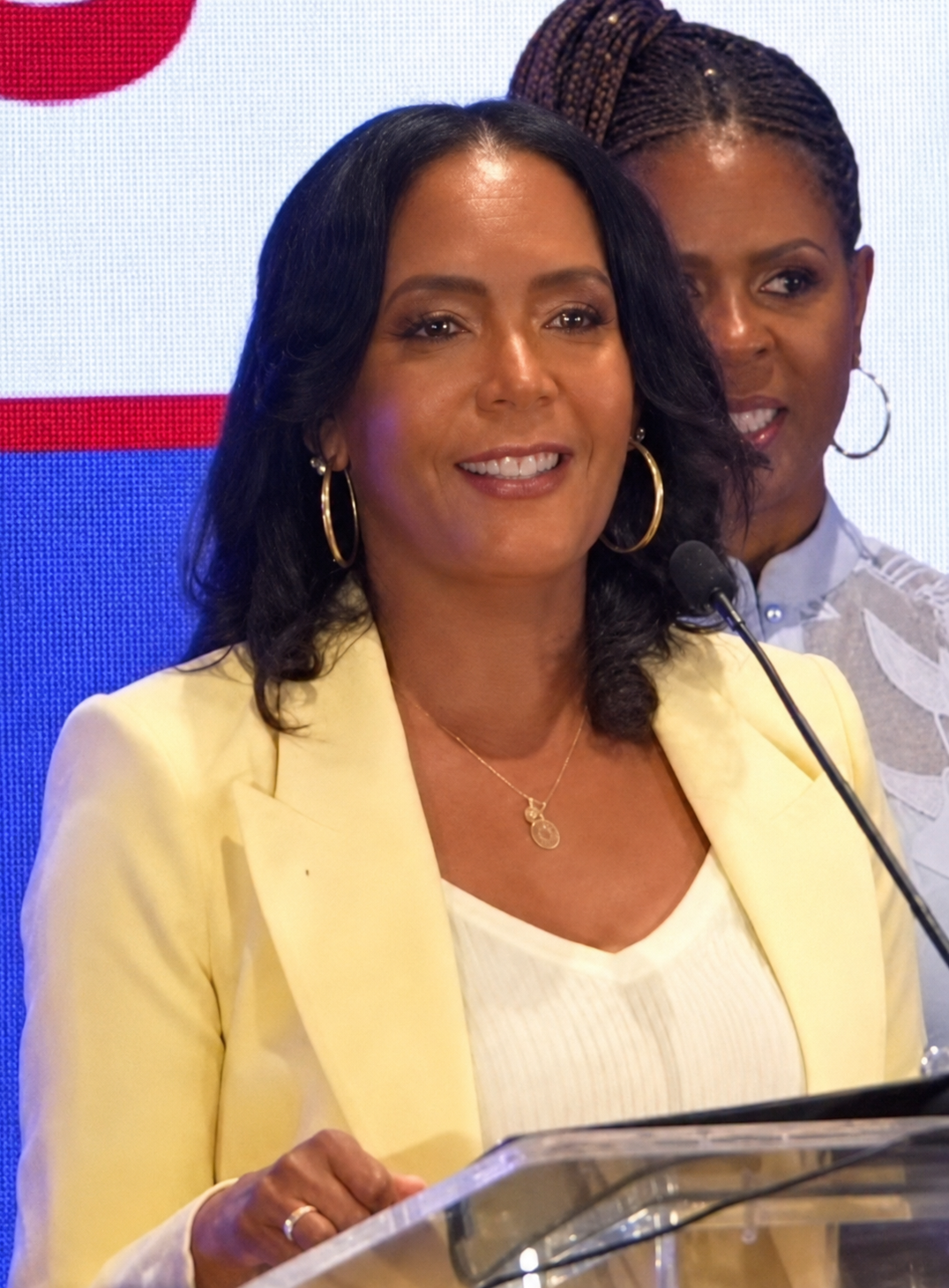
David Crowley won the open Wisconsin seat to become the state’s first Black governor, defeating Republican congressman Tom Tiffany. The Milwaukee County executive succeeds two-term Democrat Tony Evers.
Byron Donalds became Florida’s first Black governor, defeating David Jolly, a former Republican congressman who ran as a Democrat, and keeping the state Republican.
Wes Moore secured a second term in Maryland. Before this election, only three Black people had ever been elected governor in the US, Moore among them. With Bottoms, Crowley and Donalds, that number has doubled in one night.
Deb Haaland became the first Native American woman elected governor of a state, winning New Mexico. As Interior Secretary, she was the first Native American to lead a Cabinet-level agency.
Gina Hinojosa became Texas’s first Latina governor, defeating Republican Greg Abbott, who was seeking a fourth term. She was outspent 5-to-1 on advertising, and no Democrat had won statewide in Texas since 1994.
Amy Klobuchar became Minnesota’s first woman governor, defeating Republican Lisa Demuth. She will succeed Tim Walz and leave the US Senate seat she has held since 2006.
Amy Acton defeated Trump-backed Republican Vivek Ramaswamy to become Ohio’s first woman governor. She is also the first Democrat to win the state’s governorship since 2006.
Rob Sand ended a long Democratic drought in Iowa, the party’s first win for governor there since 2006. The state auditor beat Republican Zach Lahn in a state Trump carried by 13 percentage points in 2024.
Xavier Becerra, the former US health secretary, won California, becoming the state’s first Latino governor since the 19th century.
Some races are headed for recounts and legal fights, and several results are still being finalised.