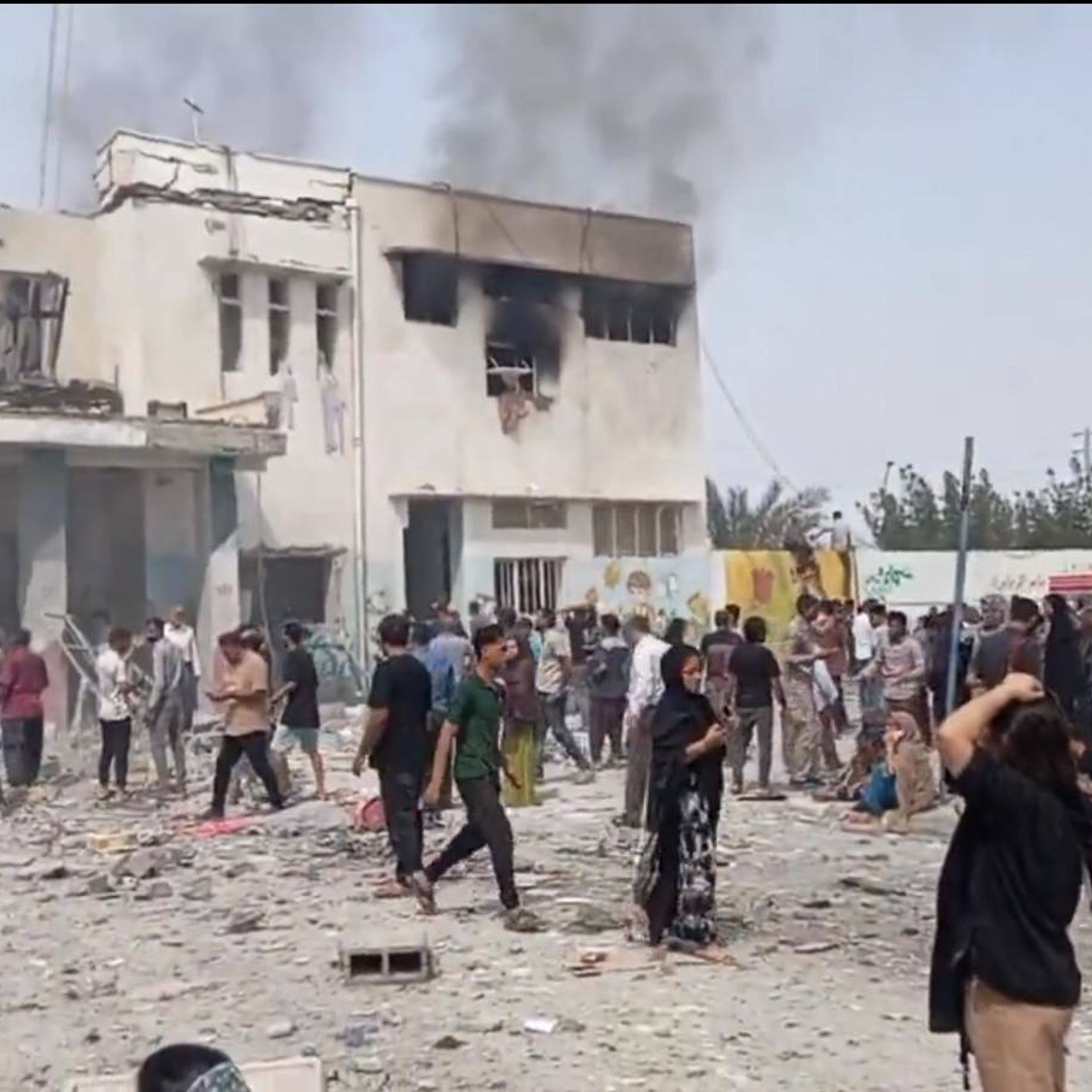
Nearly three years after Hamas militants stormed across the Gaza-Israel border on October 7, 2023, killing roughly 1,200 people and dragging some 251 hostages back into Gaza, a new investigation alleges that Israeli Prime Minister Benjamin Netanyahu was warned about the assault beforehand and kept it from his own defence establishment. Israeli daily Haaretz published the claims this week, drawn from a forthcoming book, Hostages: 843 Days of Abandonment, by journalists Shlomi Eldar and Ruth Yuval.
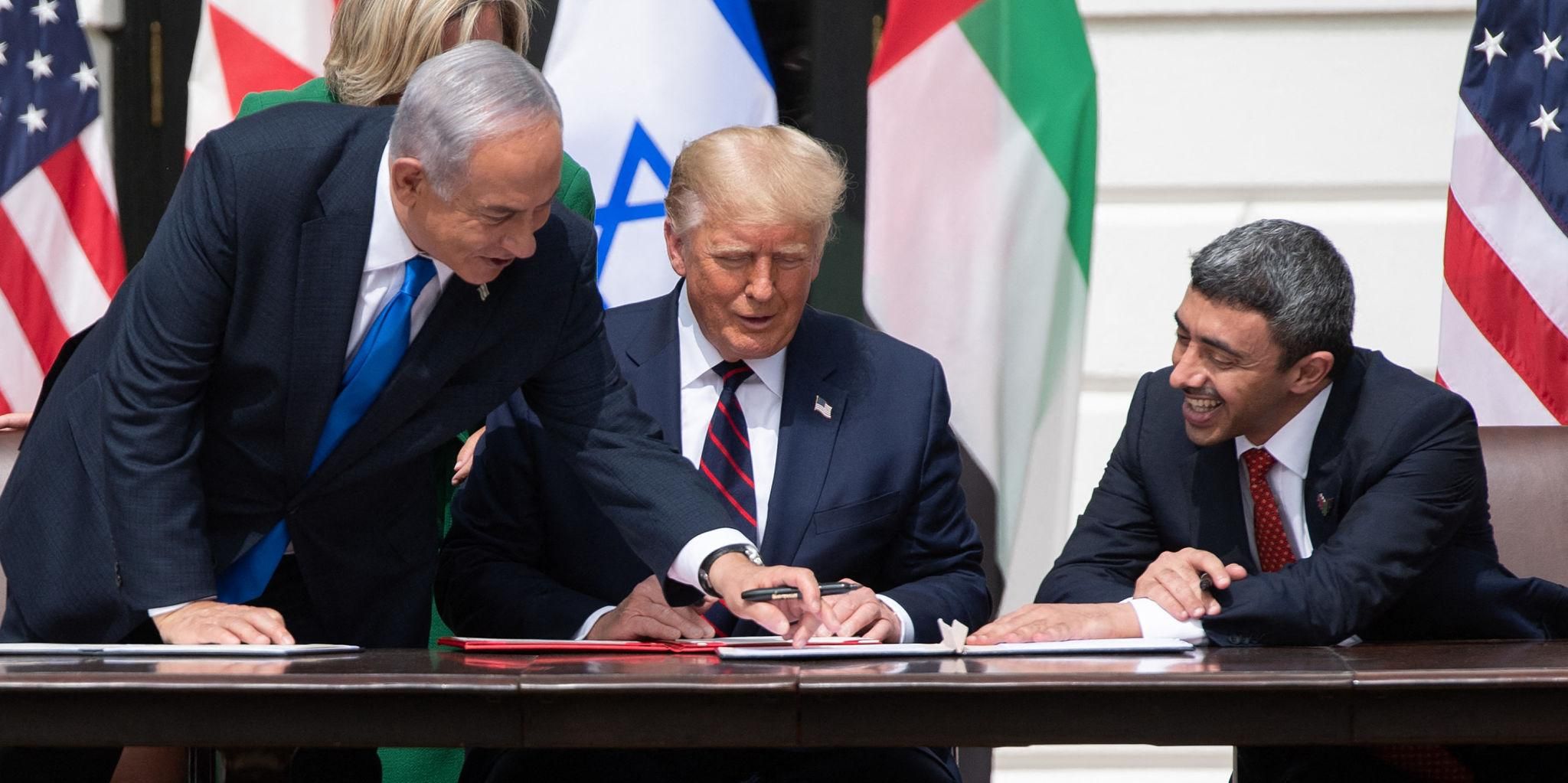
Roughly ten days before the attack, according to the report, UAE President Sheikh Mohamed bin Zayed Al Nahyan telephoned Netanyahu directly from the presidential palace in Abu Dhabi. The call ran 45 minutes and reportedly centred on an explicit warning that Hamas’s Gaza leader, Yahya Sinwar, was preparing something big – an alert that is said to have described the threat as “zilzal”, Arabic word for earthquake.
The UAE and Israel normalised relations in 2020 under the US-brokered Abraham Accords, ending decades of estrangement between Israel and much of the Arab world. Hamas has governed Gaza since 2007 and is designated a terrorist organisation by Israel, the US, the EU and others; Sinwar remained its Gaza chief until Israeli forces killed him in October 2024. The 2023 attack triggered the Gaza war that has since reshaped West Asian diplomacy, including the Accords the UAE feared were at stake.
What the investigation alleges
Bin Zayed reportedly told Netanyahu the intelligence pointed to an imminent, potentially bloody attack that could destabilise the region and endanger the fledgling Accords. A Palestinian adviser said to have been present told Haaretz that Netanyahu responded calmly, insisting he believed Hamas’s focus was the West Bank rather than Gaza’s border, and assuring bin Zayed that Israel was ready for any scenario.
Bin Zayed is said to have then relayed the exchange to then-CIA Director William Burns, hoping it would still prompt action. Instead, the investigation claims, Netanyahu never briefed the Shin Bet (Israel’s internal security and counterintelligence service), Mossad or the military’s chief of staff.
The book traces the warning back to early 2023, when Shin Bet and Hamas reportedly opened a secret channel that nearly produced a major prisoner exchange – a deal that stalled, the investigation says, because Netanyahu kept delaying the cabinet approval needed to release Palestinian prisoners, wary of a coalition backlash from the far right. By September, with talks stalled, Sinwar is said to have told intermediaries that he was preparing “the mother of all surprises”. That message reportedly reached Shin Bet on September 15; its chief, Ronen Bar, briefed Netanyahu, and a security meeting two days later heard Bar warn Israel was on a “collision course”, urging either a major offensive or reinforced defences before the Jewish holidays. No decision followed. Only once the Emirati officials concluded Israel wasn’t taking the intelligence seriously, did bin Zayed reportedly escalate to a direct call with Netanyahu.
Egypt’s intelligence chief, Abbas Kamel, separately warned Netanyahu around the same time of a “terrifying operation” in the works, the investigation says, and received the same reassurance. Neither warning came up when Netanyahu met security officials again on October 1 – six days before the assault began.
Denial and fallout
Netanyahu’s office has dismissed the account outright: “This is an absolute lie,” it said. Bin Zayed’s office has not responded to Haaretz’s request for comment, and two officials named in the report – Ronen Bar and former chief of staff Herzi Halevi – say that they were never briefed on any UAE warning.
The claims have come at a time when Israel is merely two months away from the national elections on October 27. Former Prime Minister Naftali Bennett said he had independently known the warning was genuine, accusing Netanyahu of leading the country “blindly” into disaster. Gadi Eisenkot, a former military chief of staff now heading his own party, accused Netanyahu of dodging responsibility rather than allowing an independent state inquiry, saying those around Netanyahu were “echoing disgraceful conspiracy theories and allegations of betrayal.”
The claims sharpen a question that has simmered internationally since the war’s earliest hours: whether October 7 was chiefly an intelligence failure, or – as critics increasingly argue – a failure of political judgement at the very top, one with consequences for a US-brokered regional peace framework as much as for Israel itself. With Bennett and Eisenkot both in the race against him, the dispute is less a settled historical question than a live flashpoint in a tightly contested election.