On September 13, a Russian drone struck a train at Yahodyn station, near Ukraine’s border with Poland, shortly after a diplomatic train had left the same station. The train carried former UK Prime Minister Boris Johnson, former Swedish Prime Minister Carl Bildt, UK security adviser Jonathan Powell, and other European officials returning from the Yalta European Strategy (YES) conference in Kyiv. Many in Europe read the strike as a pointed message from Moscow about its objections to the continent’s growing military support for Ukraine.
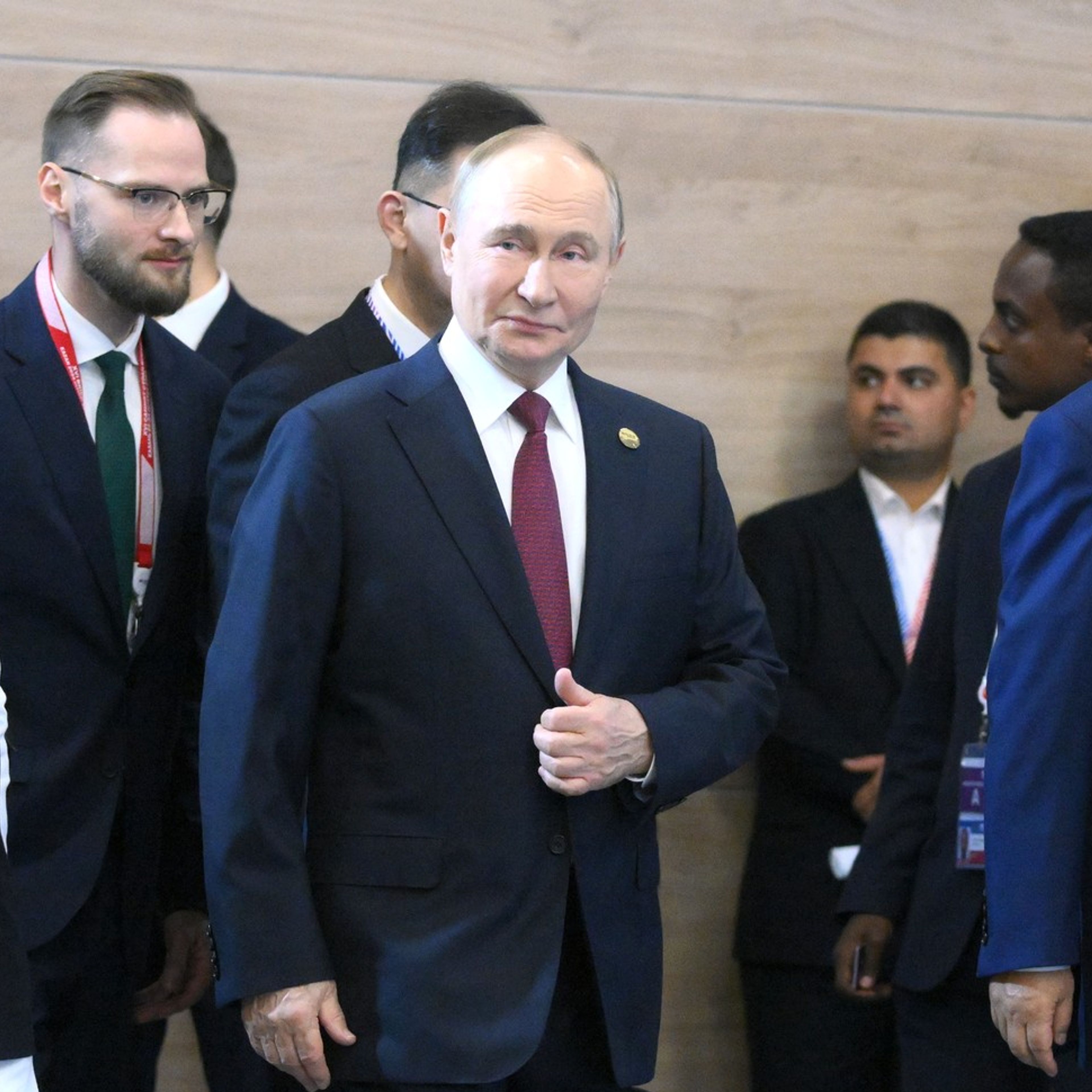
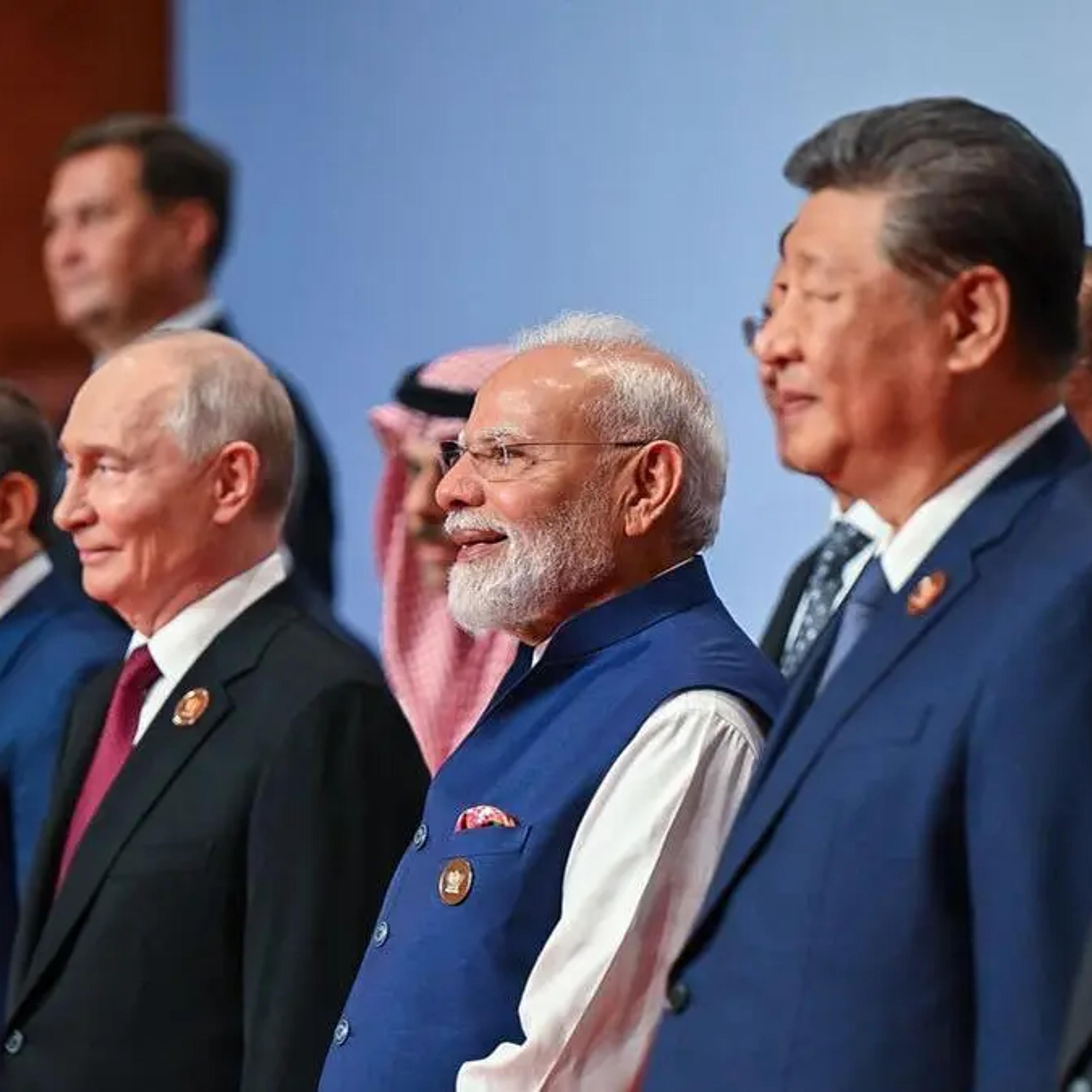
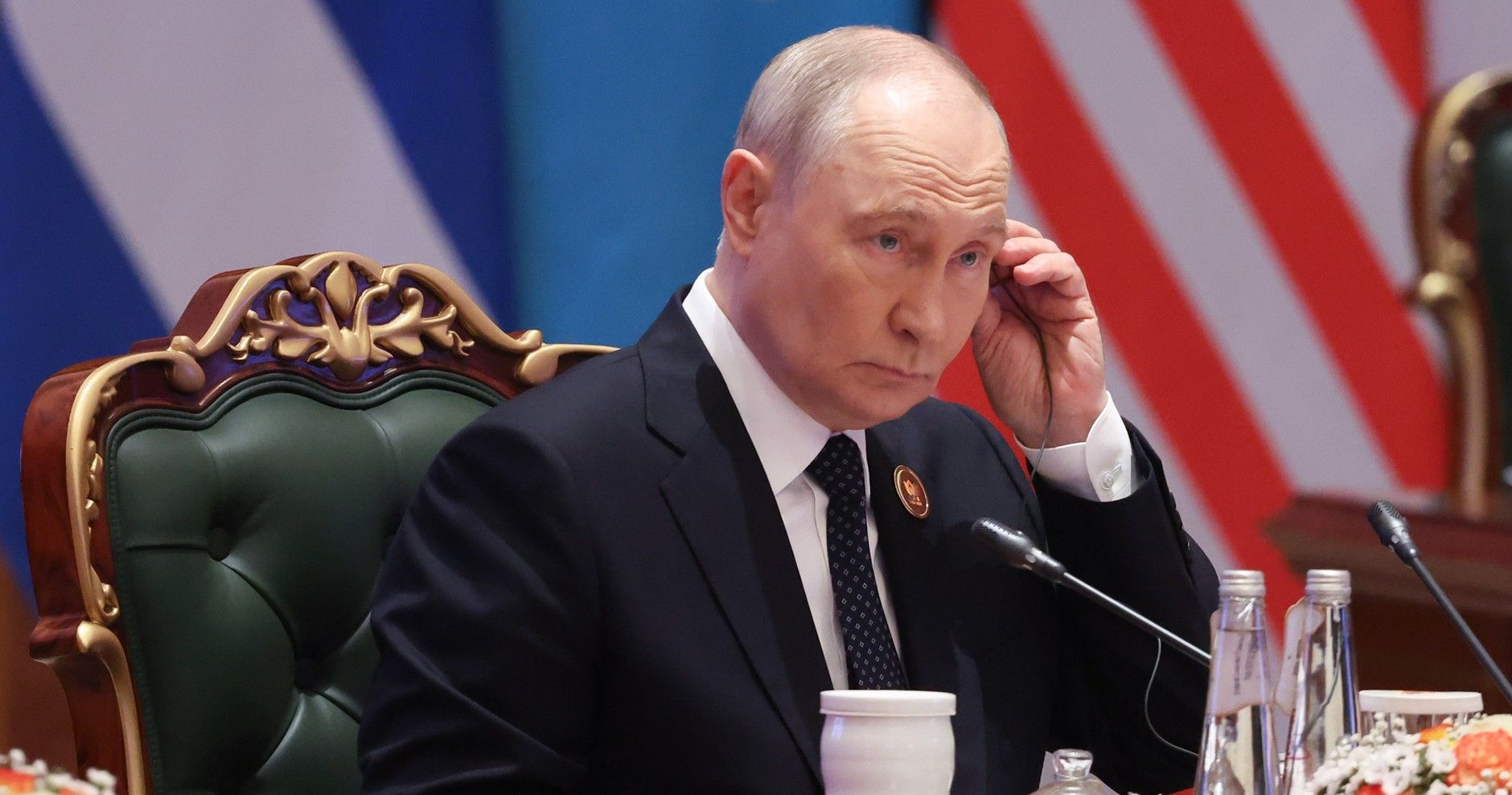
The attack followed a direct warning issued by Russian President Vladimir Putin at the BRICS summit in New Delhi on September 12. Putin cautioned that any deployment of European troops in Ukraine would constitute direct war between Russia and Europe. At the same time, he insisted that Moscow has no intention of threatening European countries - a position Russia has maintained throughout its war with Ukraine.
Speaking on the sidelines of the BRICS Business Forum, Putin addressed ongoing discussions among European governments about possible security guarantees for Kyiv as part of a future settlement. “Now they are talking about how they might send troops onto Ukrainian territory. That means war with Russia,” Putin warned.
The comment was directed at proposals from some European capitals to station troops in Ukraine - either as peacekeepers or as a guarantee force – once a ceasefire or settlement is reached. French President Emmanuel Macron said last week that 26 countries had pledged support for such a mission. No European government has deployed large numbers of troops to Ukrainian territory to date, though there have been reports of European military advisers assisting Ukrainian forces.
Several European countries have signalled interest in holding a military stake in postwar Ukraine, viewing it as an extension of ongoing defence cooperation with Kyiv. Russia has rejected that prospect and, with the Yahodyn strike, appears to have raised the stakes further. In the weeks before the attack, Europe also reported a string of sabotage incidents and drone sightings across the continent. Their connection to Russia has not been officially established, but several European capitals view them as part of a broader Russian effort to signal displeasure and raise the cost of continued support for Ukraine.
Putin also rejected the idea that Russia poses a military threat to Europe, calling such characterisations overstated. “There is no such threat, and there has never been,” he said, arguing that European leaders were exaggerating the danger Moscow poses to their populations. “We are not threatening European countries, nor are we going to threaten them. Why would we? No one seems to even consider that we have no grounds for any conflict with Europe. All issues were settled as a result of the Second World War.”
“And what happened later, after the collapse of the Soviet Union, was done with the consent of the Russian Federation as the successor of the Soviet Union. Everything that runs counter to those arrangements runs counter to our interests and does not comply with the fundamental principles of international law and the U.N. Charter,” he added.
Putin’s two-track message – warning against foreign troop deployment while denying hostile intent toward Europe more broadly – reflects a long-standing Kremlin position: that Moscow’s actions in Ukraine are defensive and provoked by Western military expansion toward Russian borders, while any direct Western military presence on Ukrainian soil would cross a line Russia has repeatedly said it will not tolerate.
Russian officials have for years viewed NATO’s eastward expansion and Western arms support for Ukraine as the root cause of the conflict, arguing that Russia’s 2022 invasion was unprovoked aggression against a sovereign state. Moscow has issued similar warnings on troop deployments in the past, part of a pattern of statements intended to discourage Western governments from deepening their military involvement.
Following the railway strike, Polish Prime Minister Donald Tusk warned that the escalation from the Russian side was becoming a reality, saying the threat was “getting closer and closer to our border”.
The comments and the strike came as Ukraine’s allies continue to debate the shape of security guarantees that might accompany any eventual ceasefire. Moscow sees this effort as a potential vehicle for a permanent Western military presence near its borders. The broader war traces back to Ukraine's bid to join NATO, which Russia has long opposed, arguing it could not accept a rival military bloc expanding to its doorstep.