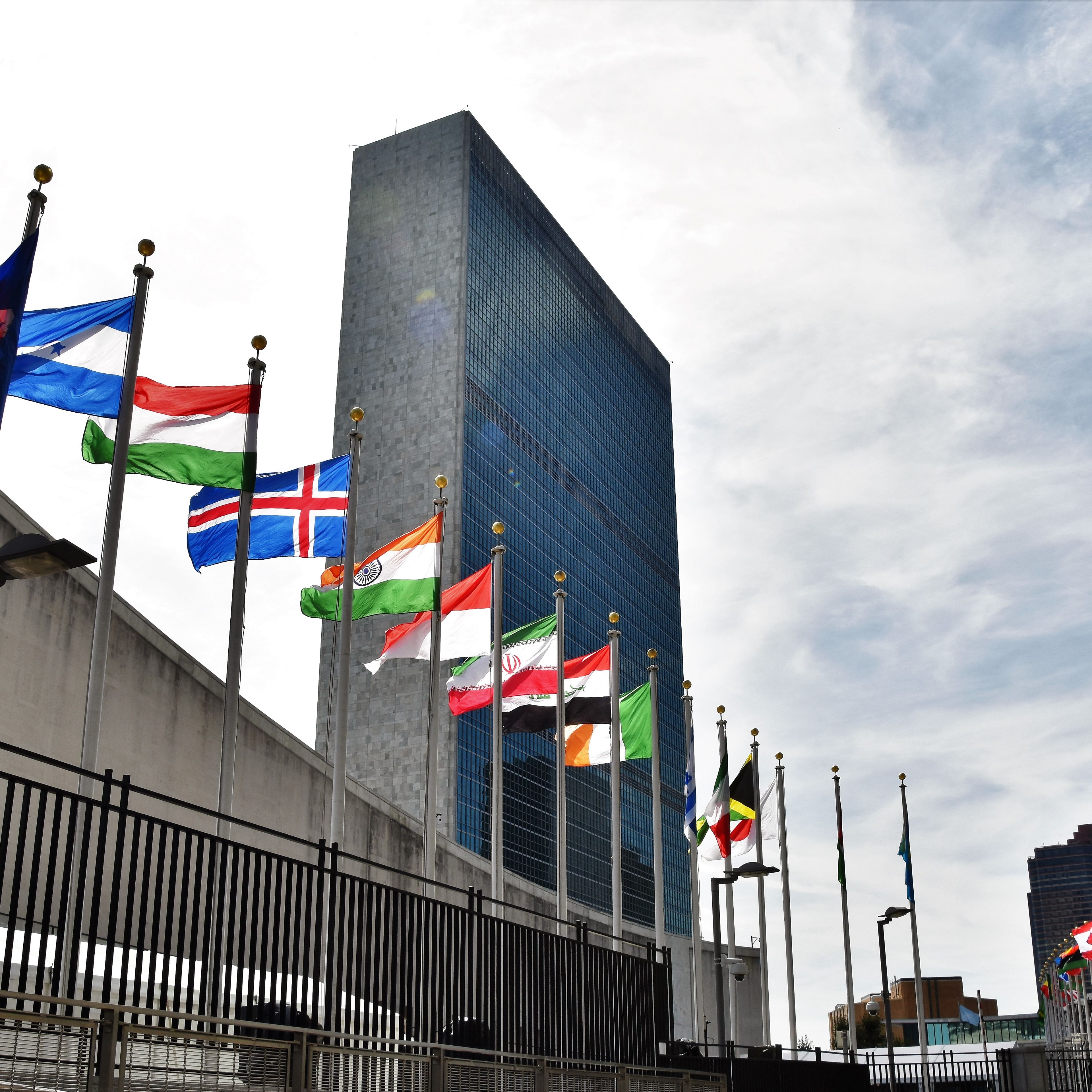
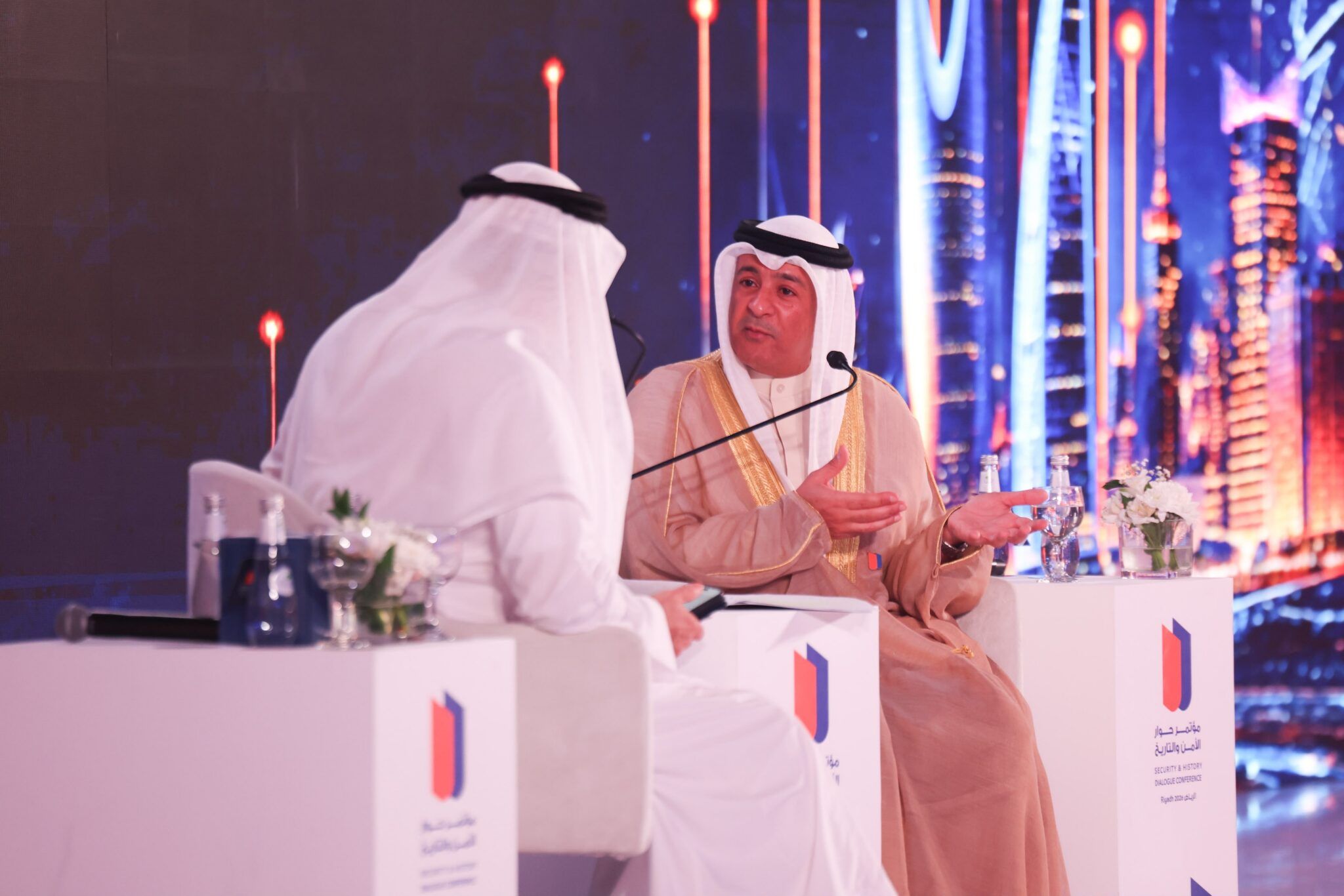
Speaking at the Security and History Dialogue in Riyadh on September 6, the Gulf Cooperation Council (GCC) Secretary-General Jasem Mohamed Albudaiwi confirmed the bloc’s long-awaited unified tourist visa would “see the light soon” – the clearest signal yet that a Schengen-style pass for the six Gulf states is nearing reality. It is a promise that has been three years in the making. GCC tourism ministers first approved the scheme in principle in October 2023. Albudaiwi gave no firm date, but regional press is betting on a fourth-quarter 2026 launch. The bigger story is what the visa is really being asked to do: underwrite the Gulf’s transition beyond oil.
An agile solution
Formally the “GCC Grand Tours Visa”, the pass would let foreign tourists move freely between Saudi Arabia, the UAE, Qatar, Kuwait, Oman and Bahrain, replacing six separate visas and rulebooks with one. Reported terms – still unconfirmed by any official fee schedule – point to a single-country visa priced around $90-105 for 30 days, and a multi-country “Grand Tour” option around $110-130 for 60–90 days, applied for via one digital portal likely modelled on Hayya, Qatar’s official e-visa platform.
It sounds like a footnote on a travel document, but it’s a building block for a post-oil Gulf. Saudi Arabia has Vision 2030; the UAE has pushed non-oil sectors to 73 per cent of GDP; Qatar and Bahrain are building tech ecosystems; Oman is scaling up manufacturing; Kuwait is leaning on infrastructure spending. Every diversification plan lists tourism as a pillar, and each stands to gain from a common market that removes friction to movement across the six.
The oil clock is real
The urgency isn’t abstract. Kuwait still draws roughly 90 per cent of government revenue from hydrocarbons, with its non-oil GDP share stuck near 42-45 per cent – barely shifted in a decade, making it the GCC’s slowest-moving diversification case. Even the bloc’s fiscal position is visibly sensitive to oil-price swings: Emirates NBD Research has projected the region’s combined fiscal shortfall widening as lower oil prices outpace non-oil revenue growth.
The counter-trend is what gives the visa its logic. Non-oil sectors accounted for 73 per cent of GCC real GDP in Q1 2025, up sharply from 32 per cent in Q1 2022, and the IMF projects GCC growth holding between 3.0-4.4 per cent through 2030 even as oil prices soften – a bet that diversification, not crude, carries the region's growth from here. Tourism is one of the fastest-moving levers inside that bet, because unlike building a manufacturing or tech sector from scratch, it monetises what the Gulf already has: geography, weather, heritage sites and mega-project infrastructure built for other reasons. A shared visa doesn’t create an industry; it removes the friction stopping an existing one converting foot traffic into GDP faster.
That is also why some economists resist reading tourism’s growth as diversification “solved”. As Qatar’s Lusail University economist Héla Miniaoui has put it, the real GCC challenge in 2026 is no longer growing non-oil GDP components but translating that diversification into export performance and long-term fiscal viability – a reminder that a unified visa, however useful, is plumbing for one sector inside a much larger, unfinished transition.
Impending urgency
The scale already in motion makes the stakes legible. GCC-Stat recorded 72.2 million international arrivals in 2024 – up 51.5 per cent on 2019 – generating $120.2 billion in tourism receipts and contributing an estimated $93.5 billion, or 4.3 per cent, of total GCC GDP. That puts the region roughly 65 per cent of the way to its 2030 tourism target. Intra-regional travel – the exact flow that the unified visa targets – rose 52.1 per cent over the same period, to 19.3 million trips in 2024. Saudi Arabia alone pulled in 29.3 million visitors last year worth $47 billion in spending; Dubai logged its third consecutive record year with 19.59 million overnight visitors.
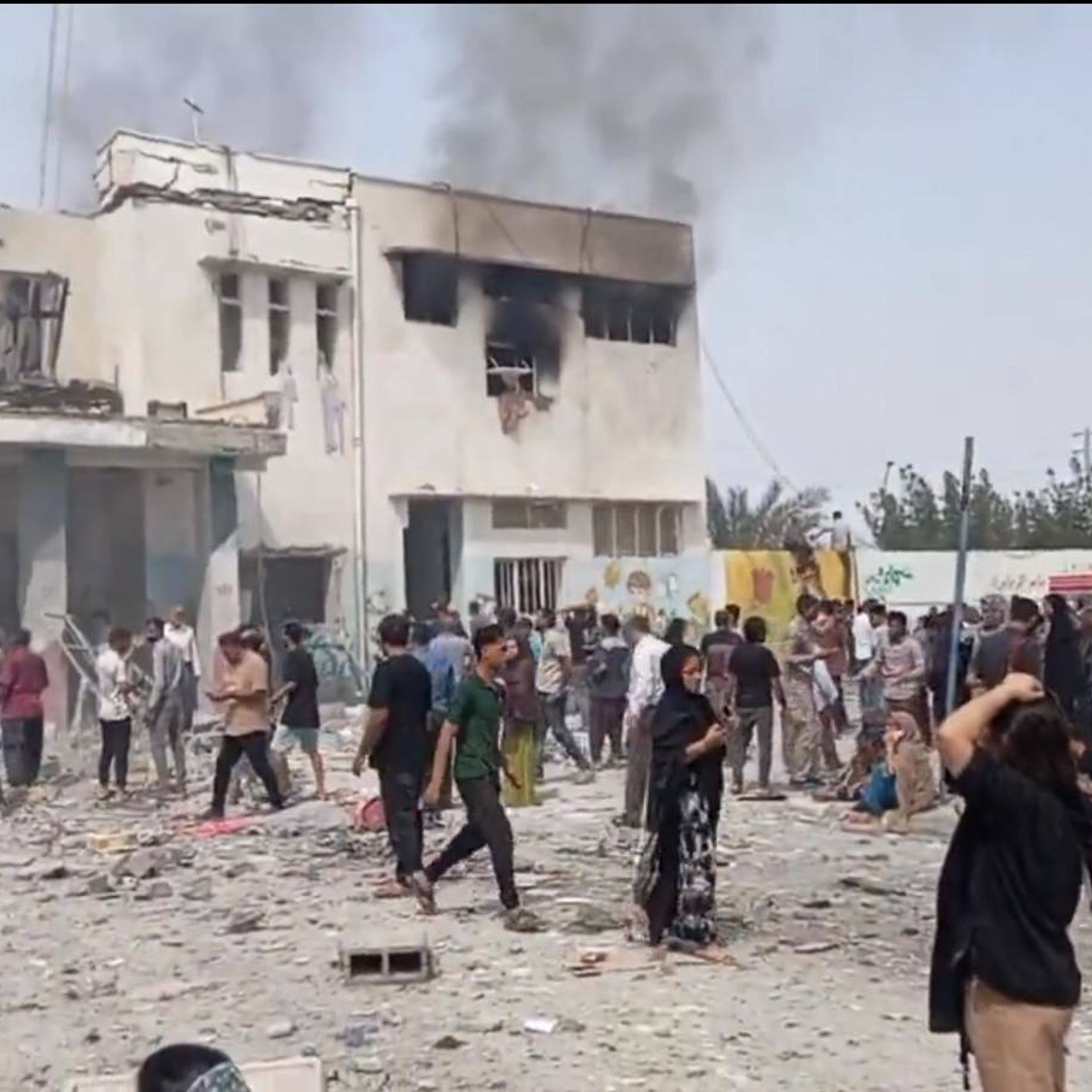
Some industry analysts credit visa facilitation as a leading driver behind projected 2026 regional tourism growth above eight per cent. Albudaiwi has made the inverse case more starkly, warning that regional instability could cost the Gulf 19 million visitors and $32 billion in revenue – a reminder that the Middle East accounts for 14 per cent of global international transit traffic, and has more to lose from stalling than to gain from moving fast.
Despite the visible upside, the project took almost three years to get moving. A Gulf News analysis attributed the delay to technical reasons such as time needed for trial runs and infrastructure build-out. Without that infrastructure, mutual recognition of another state’s visa decisions becomes a security liability. The UAE–Bahrain “One-Point Air Travellers” pilot, launched in February this year for GCC citizens only, served largely as a technical dry run – testing biometric verification, information-sharing and e-gate operation.
The benefits
Even against sharpening political divisions and regional conflict over the past year, the case for the unified visa arguably strengthens. A bloc whose members increasingly diverge on foreign policy and security posture has, if anything, more to gain from an initiative that binds their economies together at the level of everyday commerce – hotel bookings, airline seats, retail spend. Tourism has proven one of the few Gulf sectors resilient enough to keep growing through regional instability, and a shared visa infrastructure gives member states a stake in each other’s stability that transcends any single political disagreement. A disruption in one country may now threaten revenue across all six, itself a quiet incentive toward de-escalation.
Albudaiwi’s warning – that regional tensions could cost the bloc 19 million visitors and $32 billion in revenue, given the Gulf’s outsized 14 per cent share of global transit traffic – only sharpens the case. A common mobility market could offset losses from factors such as war, and, more durably, help close the gap between the Gulf’s oil-era wealth and whatever replaces it.