A verbal duel unfolded at the United Nations on Tuesday (September 22) as outgoing Secretary-General António Guterres pleaded for an end to wars and Donald Trump, addressing the same chamber hours later, threatened to “annihilate” Iran – laying bare the gulf between the UN’s multilateral instincts and Washington’s unilateral muscle-flexing.
Guterres’s farewell warning
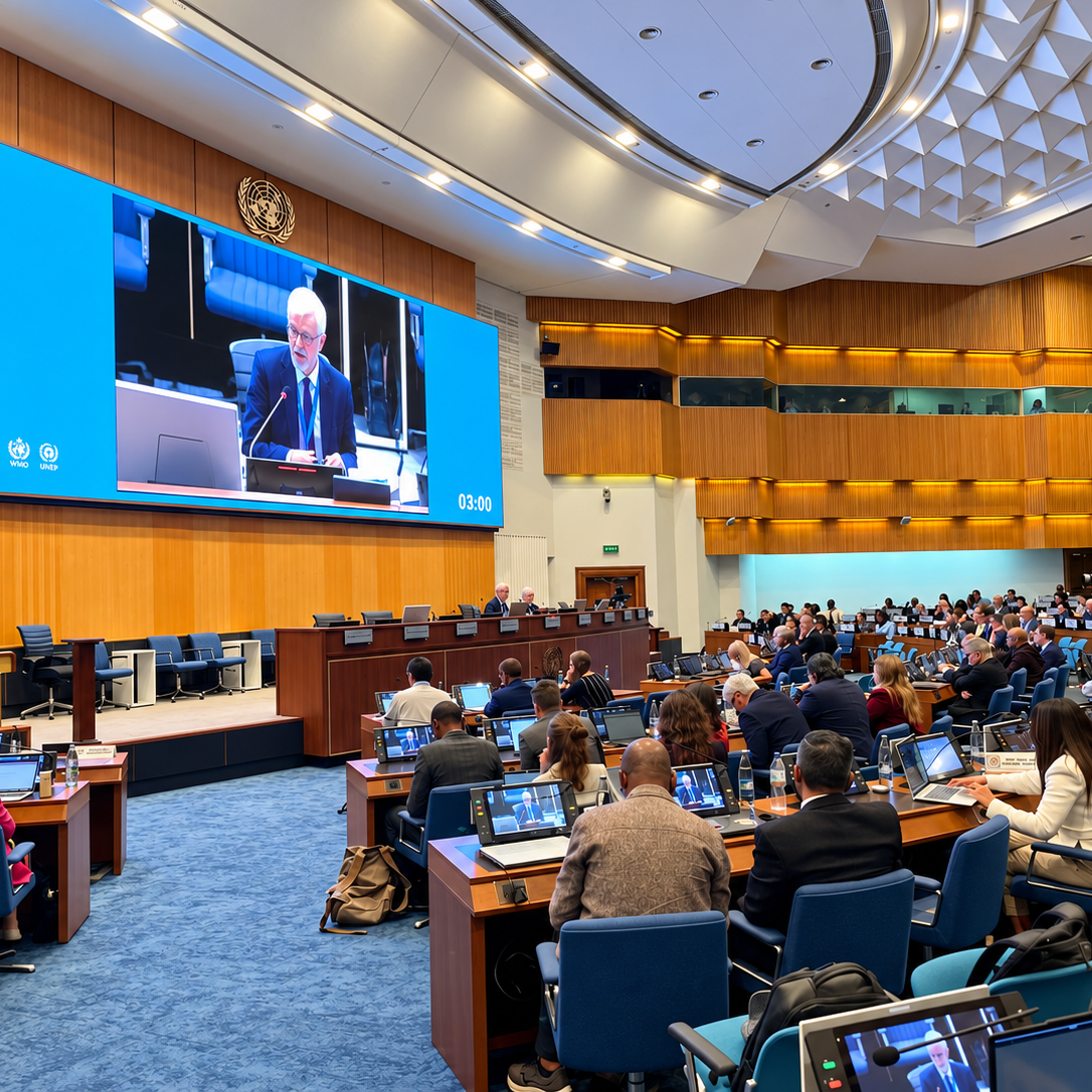
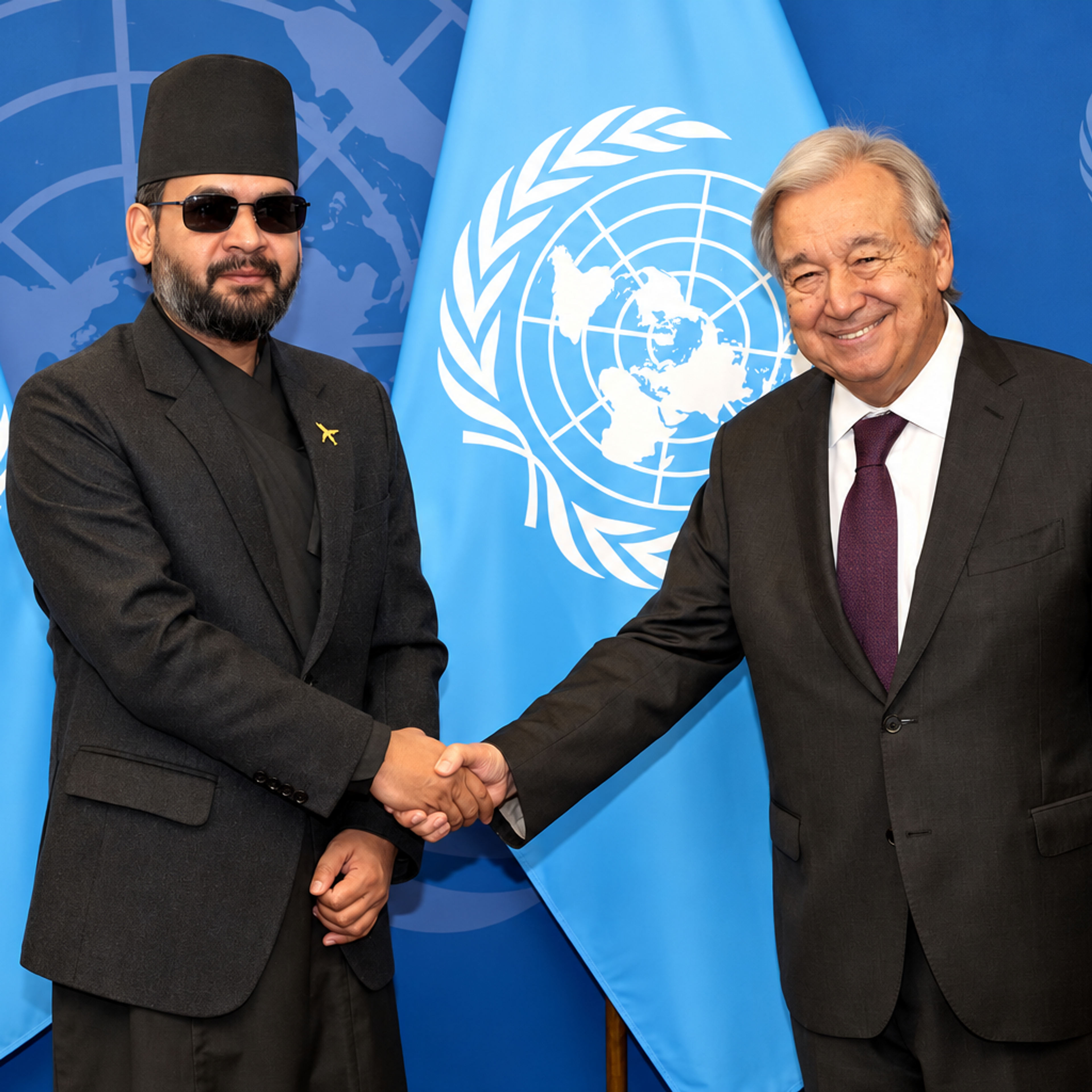
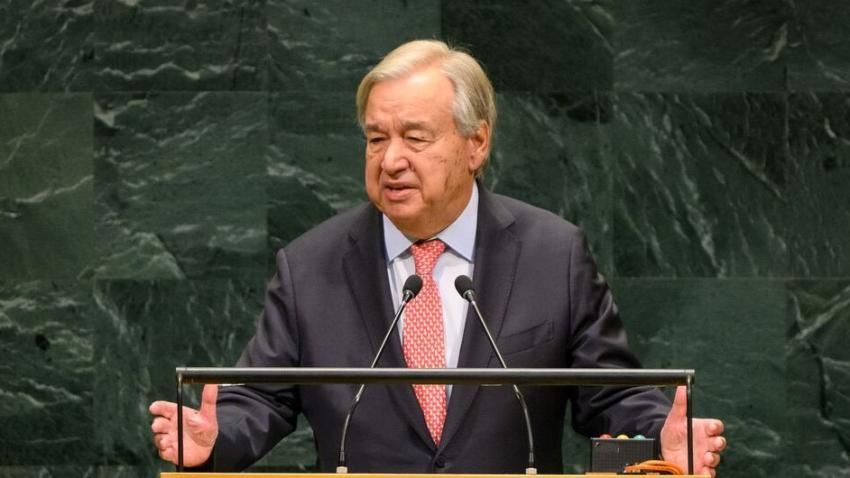
Delivering his last address to the General Assembly before his second term ends on December 31, Guterres used the platform to urge world leaders to regulate artificial intelligence, end wars, focus on climate change and overhaul UN institutions that he warned are struggling to confront mounting global challenges.
The former Portuguese prime minister has long pushed for global governance of AI; in 2023 the UN created a 39-member advisory body on the technology, drawing in tech executives, officials and academics from countries including the US, Russia and Japan. His appeal came just as the Security Council prepares to host AI leaders for a fresh briefing on the technology's risks.
Addressing the powers racing ahead on the technology, Guterres told delegates: “Those countries leading this technological revolution must share information on emerging safety risks, cooperate on testing and evaluation – and work towards common safeguards that protect us all.” He pressed leaders to “advance the conditions for the responsible pacing of AI” and to “work towards a multilateral AI risk management framework, supported by credible and independent oversight.”
Turning to the institution that he has led for a decade, Guterres struck an unusually candid note about its limits, conceding that “our mechanisms for collective action are under growing strain” and that global institutions “continue to reflect the power realities and interests of a largely bygone age.” Delegates responded with sustained applause when he defended a two-state solution for Israelis and Palestinians and demanded that “polluters must pay” for climate change – causes he has championed throughout his tenure. The address, capping ten years at the UN’s helm, unfolded before nearly 130 gathered world leaders, while notable absentees including Chinese President Xi Jinping and the leaders of South Africa, India and Germany stayed away, underscoring the very gridlock Guterres lamented.
Trump’s counter-punch
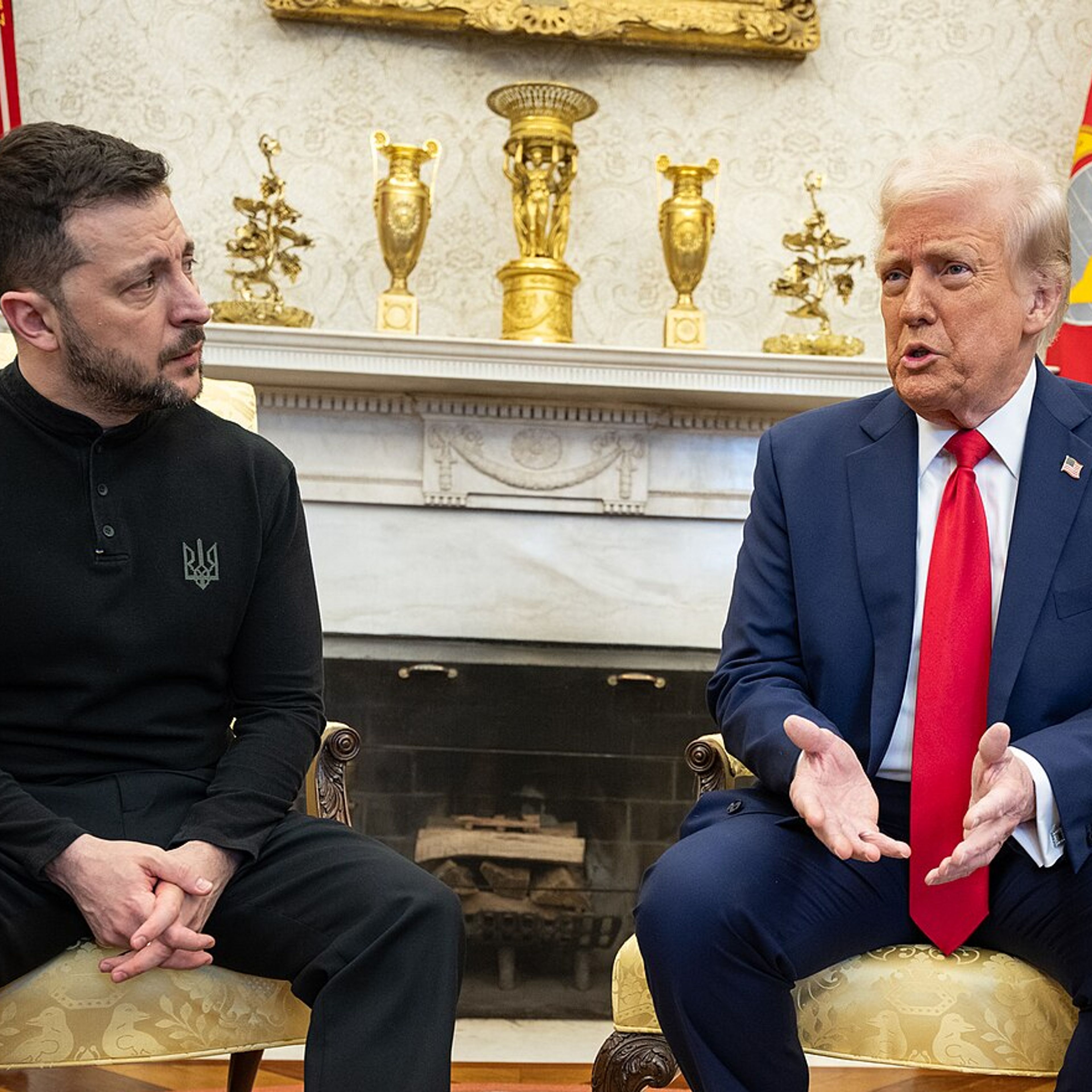
Where Guterres appealed for restraint, Trump – in a roughly 37-minute address that Bloomberg said disregarded the UN’s authority altogether, doubled down on confrontation rather than conciliation. Recasting his foreign policy as decisive where predecessors dithered, he told the UN assembly: “I do not believe in letting problems fester. They only become harder to solve. So while others have talked, I have acted.”
Iran dominated his remarks. Now nearly seven months into the war that he launched to stop Tehran acquiring a nuclear weapon, Trump said that the choice ahead in stark, and theatrically asked: “Will a deal be made with Iran that lets them rebuild and create a far greater country than it ever was before, maybe one of the greatest in the Middle East or even the world? Or do I annihilate the Islamic Republic and do it quickly, never giving them a chance to kill and destroy people and countries again? Do I drive them into hell with no chance of survival and no hope of future greatness or generations?”
He added that “the United States and Iran will definitely get it done – we will get it done, one way or the other,” while predicting Tehran would not settle until after the November 3 US midterm elections, though he insisted domestic politics played no part in his own calculus:
“I gave absolutely no credence and will not give credence to the election when it comes to Iran. It doesn't even enter my mind. The only thing that does is that Iran will never have a nuclear weapon,” he said. He also brushed aside reports that American munitions stockpiles were depleted by the war, insisting that “we have more munitions than we could ever possibly even think of using.”
Renewing a complaint he has voiced at previous assemblies, Trump declared that “the United Nations has great, great potential… but it must stop imposing the far-left agenda of globalist bureaucrats who nobody ever elected,” and vowed that US troops would never face the International Criminal Court, warning America would not accept “show trials by an anti-American tribunal with no jurisdiction over us.”
Why he defended a war the UN wants ended
The apparent contradiction – Trump justifying a war in the very hall where Guterres was urging their end – reflects two irreconcilable theories of power. Guterres’s pitch was institutional: that only shared rules and “credible, independent oversight” can manage threats too big for any one state, whether AI or armed conflict. Trump’s was transactional and muscular: that multilateral bodies have failed to neutralise threats like Iran’s nuclear ambitions, so unilateral force – paired with an eventual offer to let Tehran “rebuild” – is what actually ends wars, whatever the diplomatic cost. His speech, delivered days after a UN fact-finding mission said there were reasonable grounds to believe US strikes on Iran, including one on a primary school in Minab, amounted to war crimes, doubled as a defence of that record and a warning to Tehran ahead of any post-midterms deal – a pointed rebuttal, in substance if not in form, to Guterres’s appeal for peace.