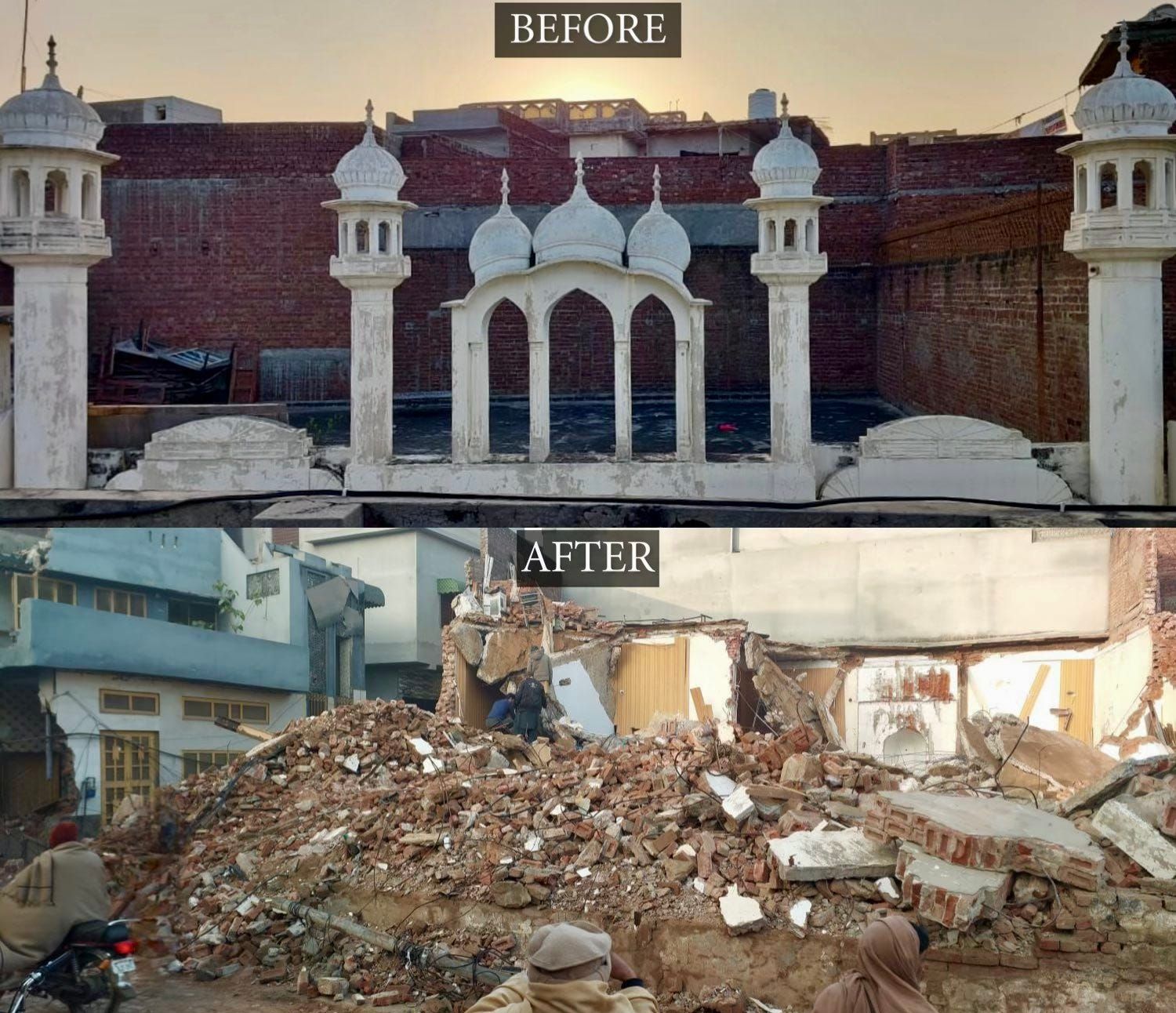
A day after Pakistan’s Foreign Office condemned India’s demolition of a 150-year-old mosque in Saharanpur, Uttar Pradesh – calling it part of a “Hindutva-driven campaign” to erase Islamic heritage – five UN Special Rapporteurs turned the spotlight on Pakistan’s own record, urging Islamabad to end its treatment of the Ahmadiyya Muslim community.
In a statement issued on Monday (September 7), the experts said they were troubled by continuing harassment, prosecution and violence against Ahmadis “because of their religious identity”, and called on Pakistan to break its “pattern of impunity” around attacks on the group.
“We are deeply concerned by persistent reports that members of the Ahmadiyya community continue to face harassment, criminal prosecution, violence, and exclusion because of their religious identity,” the experts said.
Ahmadi Muslims occupy a uniquely precarious position in Pakistan. A 1974 constitutional amendment declared them as non-Muslims, a status hardened by Ordinance XX of 1984, which criminalises Ahmadis for calling themselves Muslim, using Islamic terminology, or “posing as Muslims” in worship – an offence carrying up to three years in prison. The community faces disproportionate blasphemy charges, exclusion from public office, and recurring violence against its members, mosques and graveyards.
The rapporteurs said that this year’s statement responds to reports of continuing attacks on Ahmadi places of worship, grave desecration, interference with Eid-ul-Fitr and Eid-ul-Adha observances, and arrests tied to religious practice or identity. Women held on blasphemy charges, they noted, face compounded, gendered abuse in detention.
Echoes of a familiar pattern
This is not the UN’s first such warning. A nearly identical statement on July 24, 2025 detailed specific incidents that illustrate the pattern. On January 16, 2025, authorities in Daska, Punjab demolished a century-old Ahmadi mosque built by Sir Muhammad Zafarullah Khan, Pakistan’s first foreign minister, after weeks of pressure from Tehreek-e-Labbaik Pakistan; weeks later, on February 14, police in Karachi sealed the Bait-ul-Nasir mosque in Malir Colony after an extremist mob demanded Ahmadis be barred from praying there. Minarets were destroyed in Bahawalnagar, and Ahmadi mosques in Karachi and Lahore have more broadly been sealed or forcibly shut down, according to the UN’s own account, while during Eid that year mobs vandalised mosques in Karachi’s Azizabad neighbourhood, spray-painting hate graffiti as authorities sealed further sites in North Karachi.
Between March and June 2025, at least 82 Ahmadi graves were desecrated in Kotli, Pakistan-administered Kashmir, while on March 7 police in Surjani Town, Karachi arrested six Ahmadis and charged 25 more, including eight children, for offering Friday prayers; further mass arrests of minors and persons with disabilities followed in Sargodha, Daska and Pasrur. The violence has claimed lives too: on March 4, 2024, the president of the Bahawalpur Ahmadiyya community, Tahir Iqbal, was shot dead by unidentified gunmen during his morning walk, though police disputed whether the motive was religious, and on July 8 that year two Ahmadis were killed in an extrajudicial killing in Saad Ullah Pur, an incident UN experts cited directly in their statement that month. These violations persisted despite a June 2024 resolution passed by Pakistan’s National Assembly urging protection for all citizens.
Back in July 2018, Special Rapporteurs Ahmed Shaheed and Fernand de Varennes called for Pakistan to repeal laws criminalising Ahmadi religious practice and to abolish the death penalty for blasphemy – a finding Islamabad’s envoy at the time dismissed as “grossly exaggerated”. Separately, in April 2024, UN experts warned that Christian and Hindu girls in Pakistan remain vulnerable to forced conversion and forced marriage, underlining that minority-rights concerns extend well beyond the Ahmadiyya community.
What the rapporteurs are asking for?
The experts called on Pakistan to guarantee equal protection under the law regardless of religion, and to review legislation that may conflict with its obligations under international human rights law – covering freedom of religion or belief, freedom of expression, freedom of assembly and association, cultural rights, and equality before the law.
“The State has a responsibility to exercise due diligence to prevent human rights violations, investigate allegations promptly and impartially, prosecute those responsible in accordance with international standards, and provide effective remedies to victims,” the experts said.
“Pakistan must break the pattern of impunity that has allowed perpetrators of attacks and incitement to hatred and violence to act without restraint,” they said, adding that, “these attacks take place with tacit official complicity whilst the cycle of fear prevents people and institutions from upholding the rights and dignity of these minority groups.”
The Rapporteurs said that it remains in direct contact with Pakistan’s government and is ready for constructive dialogue.
Who are UN Special Rapporteurs?
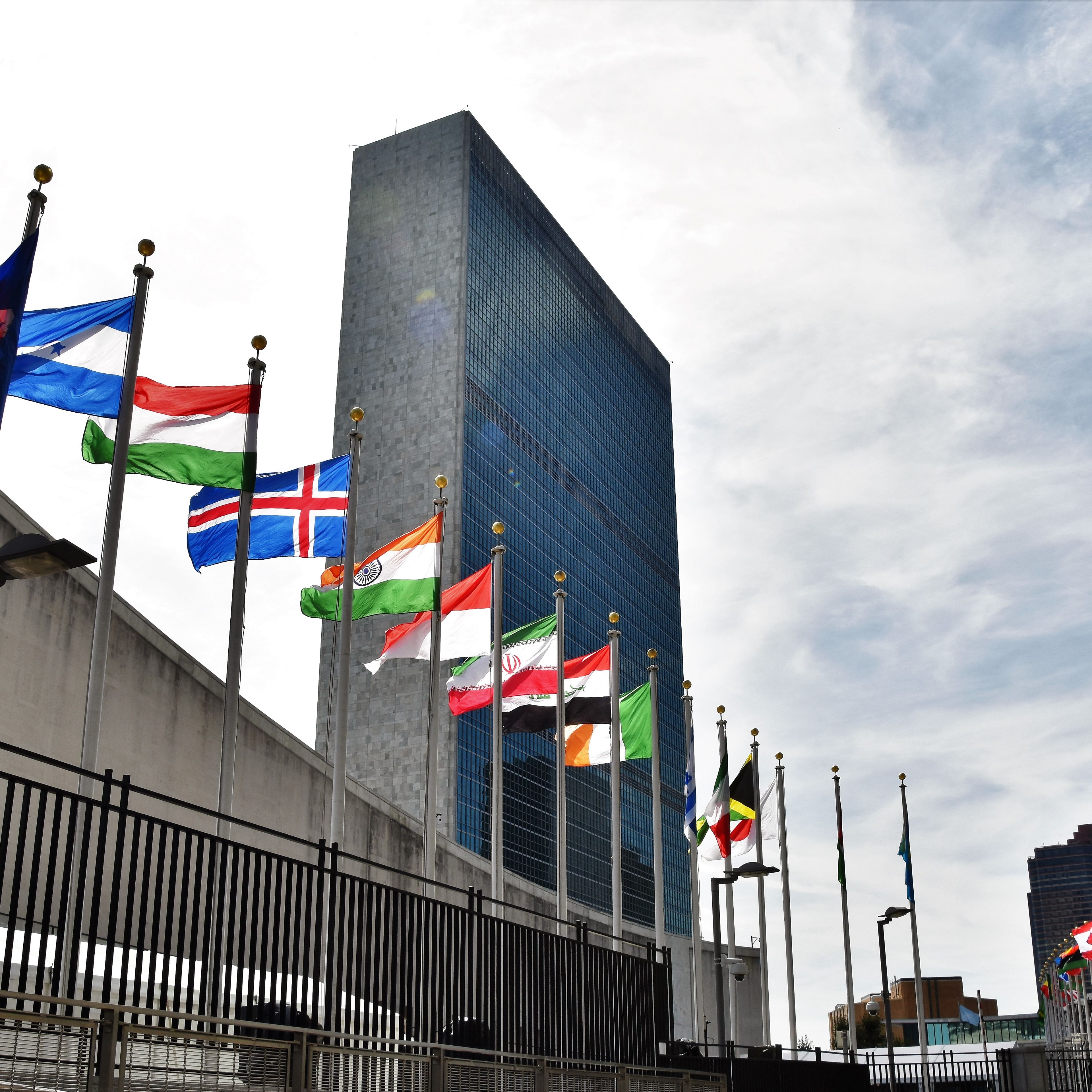
Special Rapporteurs are independent human rights experts appointed by the UN Human Rights Council to monitor and report on a specific country situation or a global thematic issue. Collectively, they and other independent experts and working groups make up the Council’s “Special Procedures” – the largest body of independent experts in the UN human rights system. They serve in a personal capacity, unpaid and not as UN staff, and their findings carry moral and diplomatic weight rather than binding legal force. The Office of the High Commissioner for Human Rights (OHCHR) provides secretariat support, but the experts’ views are their own, not the UN’s official position.
The five who signed this statement are the following:
- Morris Tidball-Binz – Special Rapporteur on extrajudicial, summary or arbitrary executions
- Nazila Ghanea –https://www.ohchr.org/en/special-procedures/sr-religion-or-belief
- Nicolas Levrat – Special Rapporteur on minority issues
- Leopoldo Maldonado Gutiérrez – Special Rapporteur on freedom of opinion and expression
- Gina Romero – Special Rapporteur on freedom of peaceful assembly and of association
The statement was also co-signed by the Working Group on Arbitrary Detention – Matthew Gillett (Chair-Rapporteur), Ganna Yudkivska, Ethan Hee-Seok Shin, Miriam Estrada-Castillo and Mumba Malila.