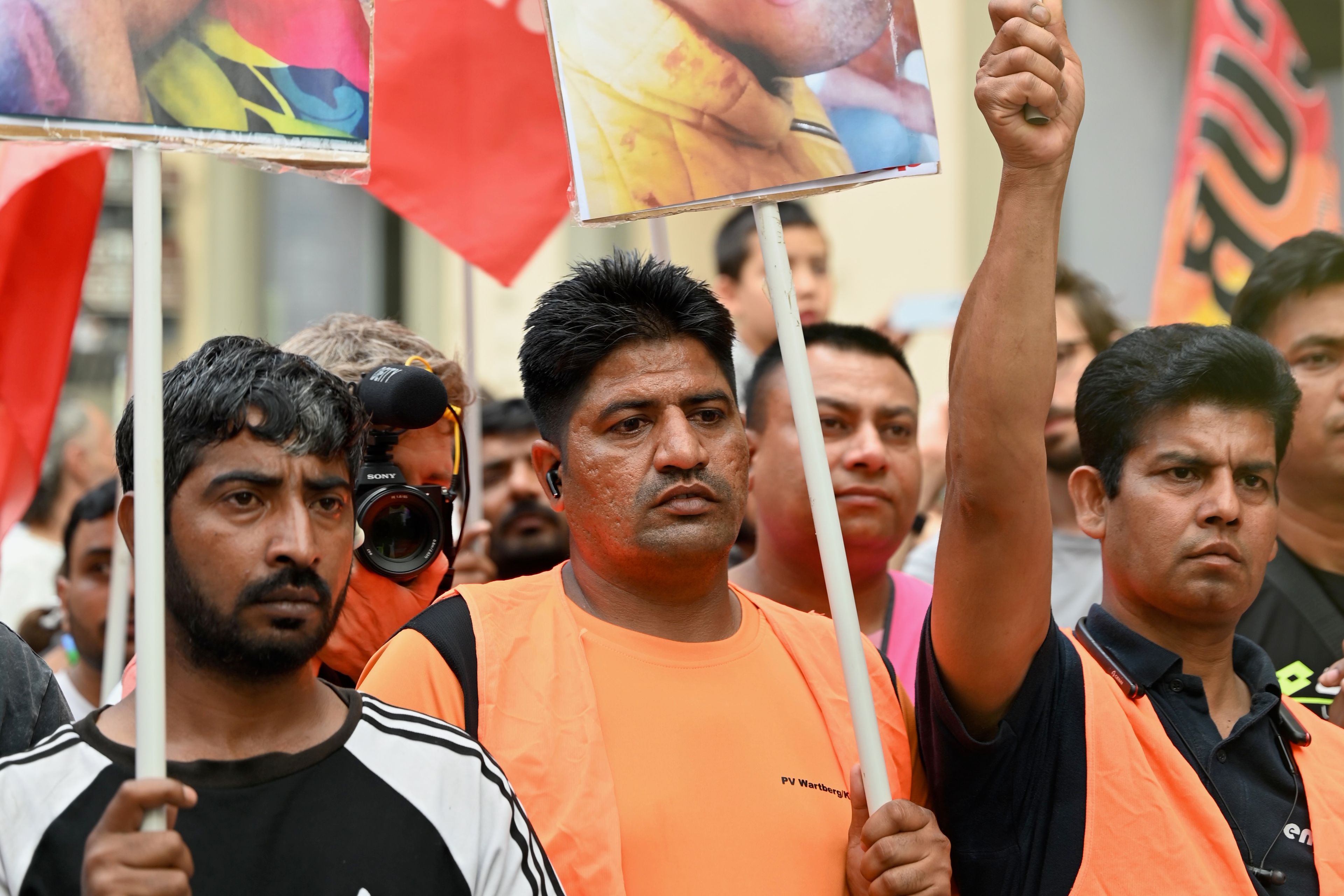
Prato, Italy – In the workshops and warehouses behind Italy’s fashion industry, a harsher economy runs alongside the glamour: twelve-hour shifts, six-day weeks, and wages that can fall to €2 an hour. Migrant labourers from South Asia and North Africa kept the machines running here, largely unseen – until some of them refused to stay invisible any longer.
“I came to Prato because other Indian people told me I could find good job opportunities. Instead, here I was working 12 hours a day, with no rights and extremely low wages,” Marios Singh Choudhary, 51, an Indian worker from Rajasthan, told NWS. Choudhary is a familiar one among the foreign workers – mostly from Pakistan, Bangladesh, India and North Africa – who staff Italy’s fashion district in Prato.
Armed with little more than a grassroots trade union and their own resolve, the workers stood their ground against a company under investigation for tax fraud, endured intimidation that turned violent, and – after more than two months on the picket line – won.
A Fast Fashion Empire Built on Cheap Labour
Prato, in Tuscany, central Italy, is the biggest textile district in Europe: more than seven thousand fashion businesses packed into roughly 70,000 square metres. Its ready-to-wear companies alone generate an estimated €2.4 billion in annual exports and employ more than 23,000 people. Over 1,600 firms operate in the ready-to-wear and ironing sectors, feeding a fast fashion industry that compresses traditional production timelines into two or three frantic weeks to minimise the risk of unsold stock. It is a district, in other words, where the frenzy of capitalism and exploitation go hand in hand – and where, this summer, the union struggled for and achieved a significant gain.
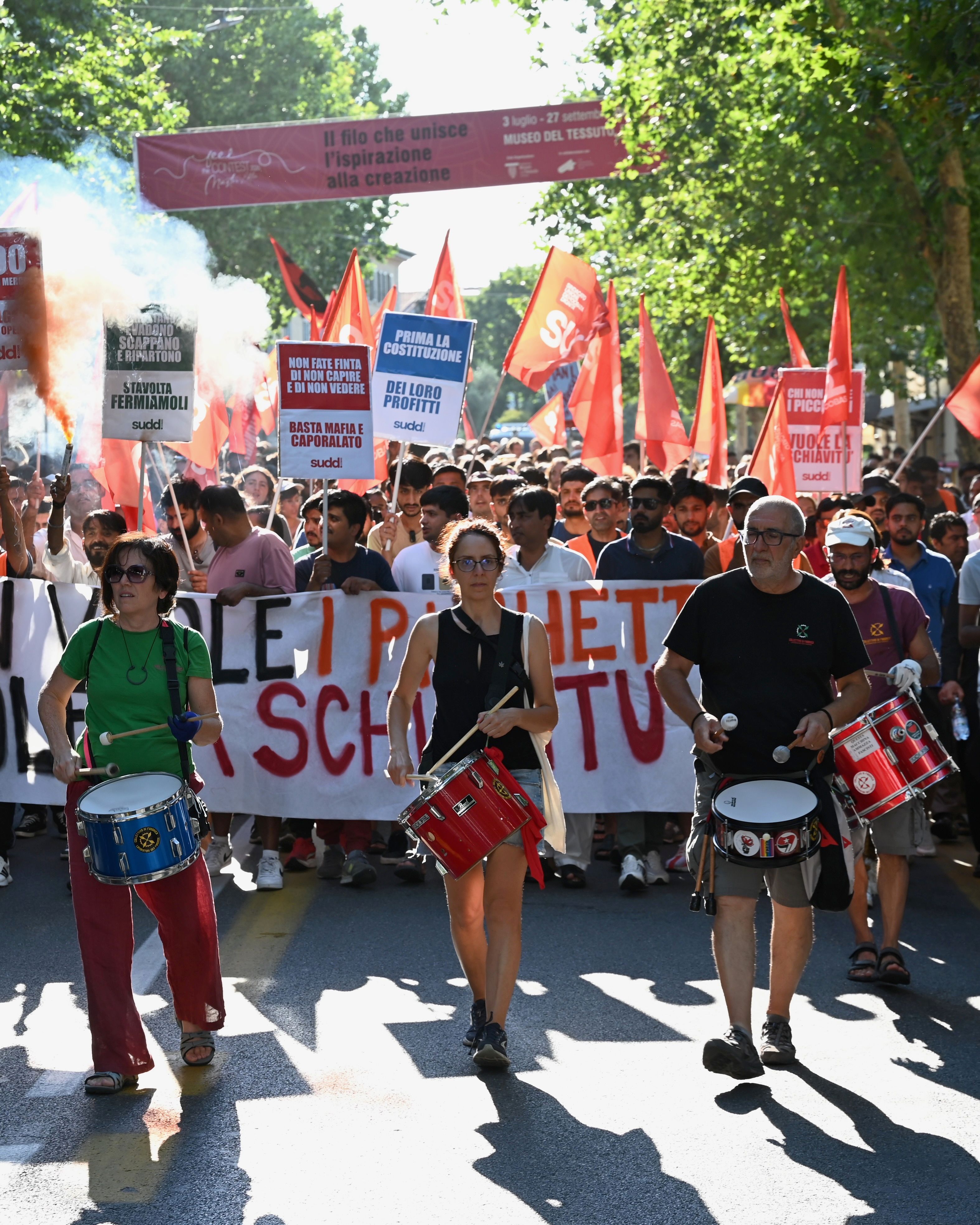
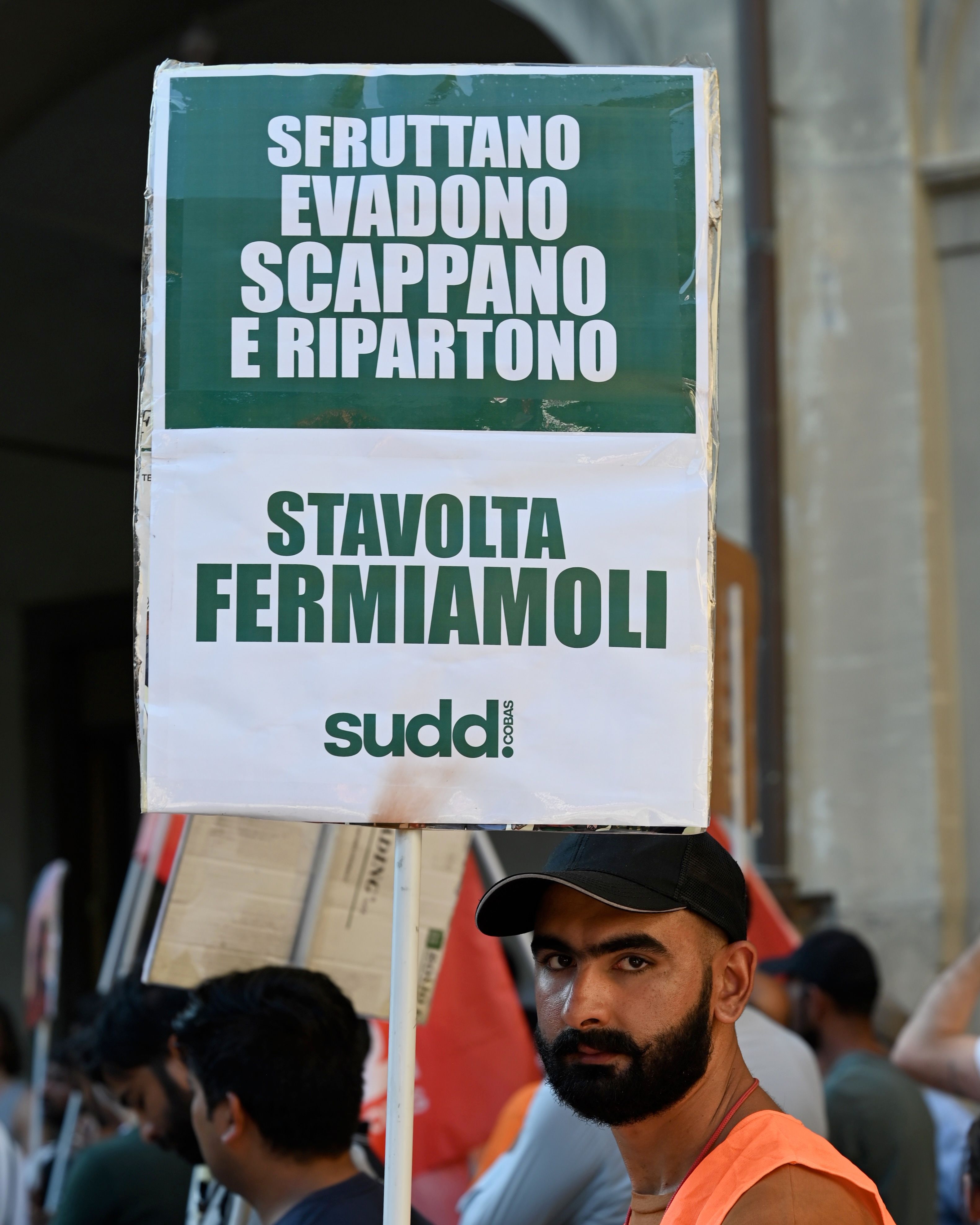
Sudd Cobas (Unity, Democracy, Dignity Union), an independent Italian grassroots labour union founded in Prato in May 2024, has become the chief force organising migrant workers’ resistance – running long strikes, marches and picket lines outside the factories. It was also the only union to back the Acca workers’ dispute.
On August 29, after more than 70 days of strikes and pickets outside four Acca ready-to-wear logistics warehouses – in the district towns of Seano, Agliana, Campi Bisenzio and Osmannoro – the union and workers won an agreement preserving contracts and labour rights. Acca employs around 100 workers, 42 of them Sudd Cobas members.
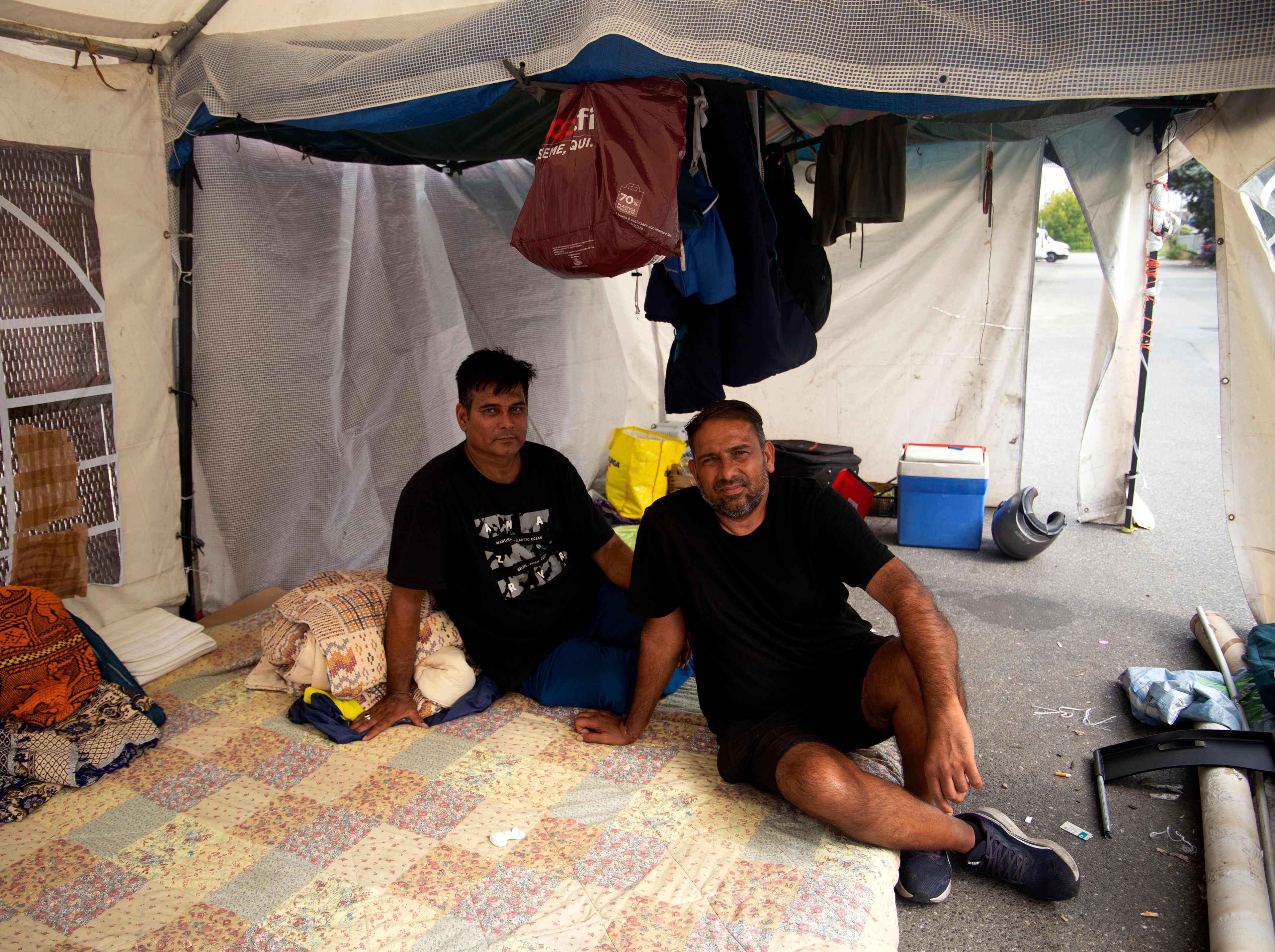
The dispute erupted in June 2026, when Acca in Seano – already under investigation for tax fraud involving €71 million – announced the closure of its warehouses, putting 95 jobs at risk. Most of the affected workers came from Bangladesh, Pakistan or India, among them Manda Likhama Ram, 40, from Rajasthan. A union member for two years and an Acca warehouse porter for four, Ram took part in all 70 days of protest, sleeping in a tent outside the company gates. “I worked 12 hours a day, seven days a week, when in fact my contract stipulated that I was supposed to work only three. I managed to earn 1,200 euros, 500 of which was paid under the table,” he remembers.
The Strike: 70 Days on the Picket Line
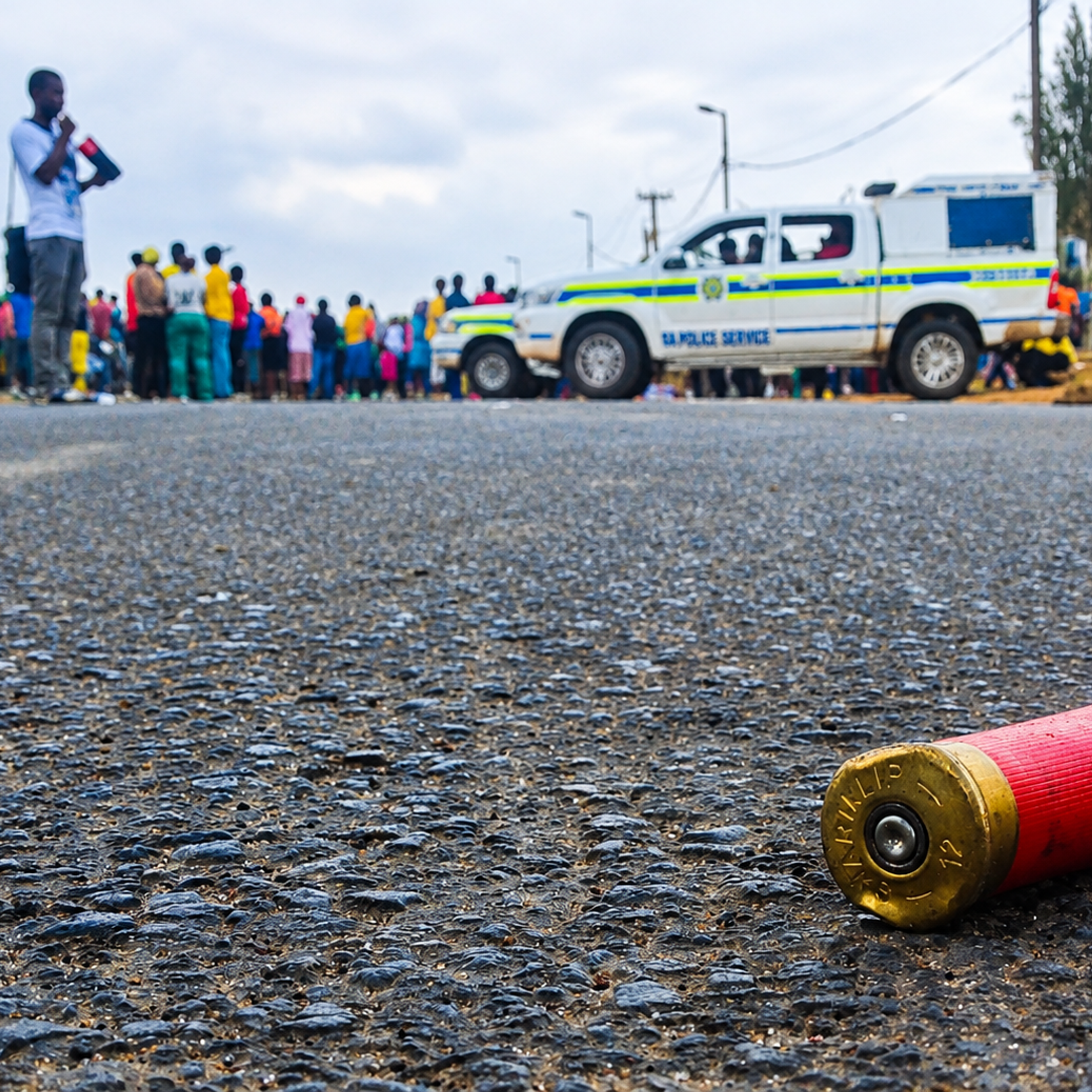
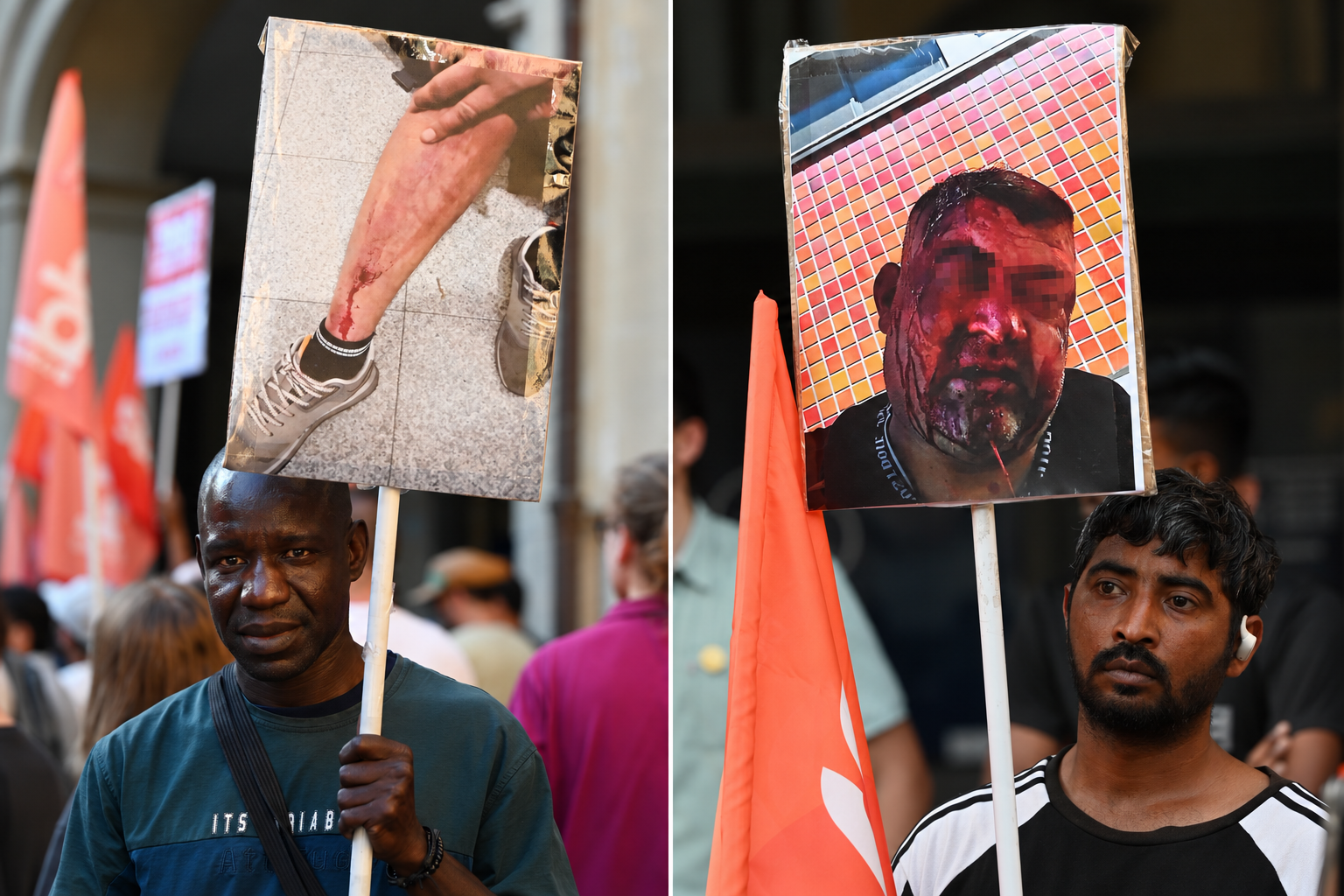
The strike began on June 19, when workers walked out and set up a permanent protest camp outside the gates. Days later, the protest was met with aggression at the picket line: a striking worker was hit by a vehicle as hundreds of Chinese entrepreneurs and business executives stormed the protest camp to reclaim the warehouse and the goods stored inside, leaving several workers and union members injured.
“We suffered mafia-style intimidation,” says Sonia Galbraith, 31, a Sudd Cobas union organiser. “The ‘bosses’ suffered losses due to the shipment blockade during the protests and arranged to make workers pay for the mobilisation. They organised the assault on the picket line through a WeChat group – it was a very frightening moment for us,” she claimed.
Eventually the dispute reached the institutional level, with local authorities stepping in to broker a solution. After lengthy mediation, and more than two months of confrontation, workers came out on top. In August, a new company, Held, agreed to take on 70 of the 95 workers, preserving their existing contractual conditions at a nearby warehouse in Capalle. For the remaining 14, the fight continues.
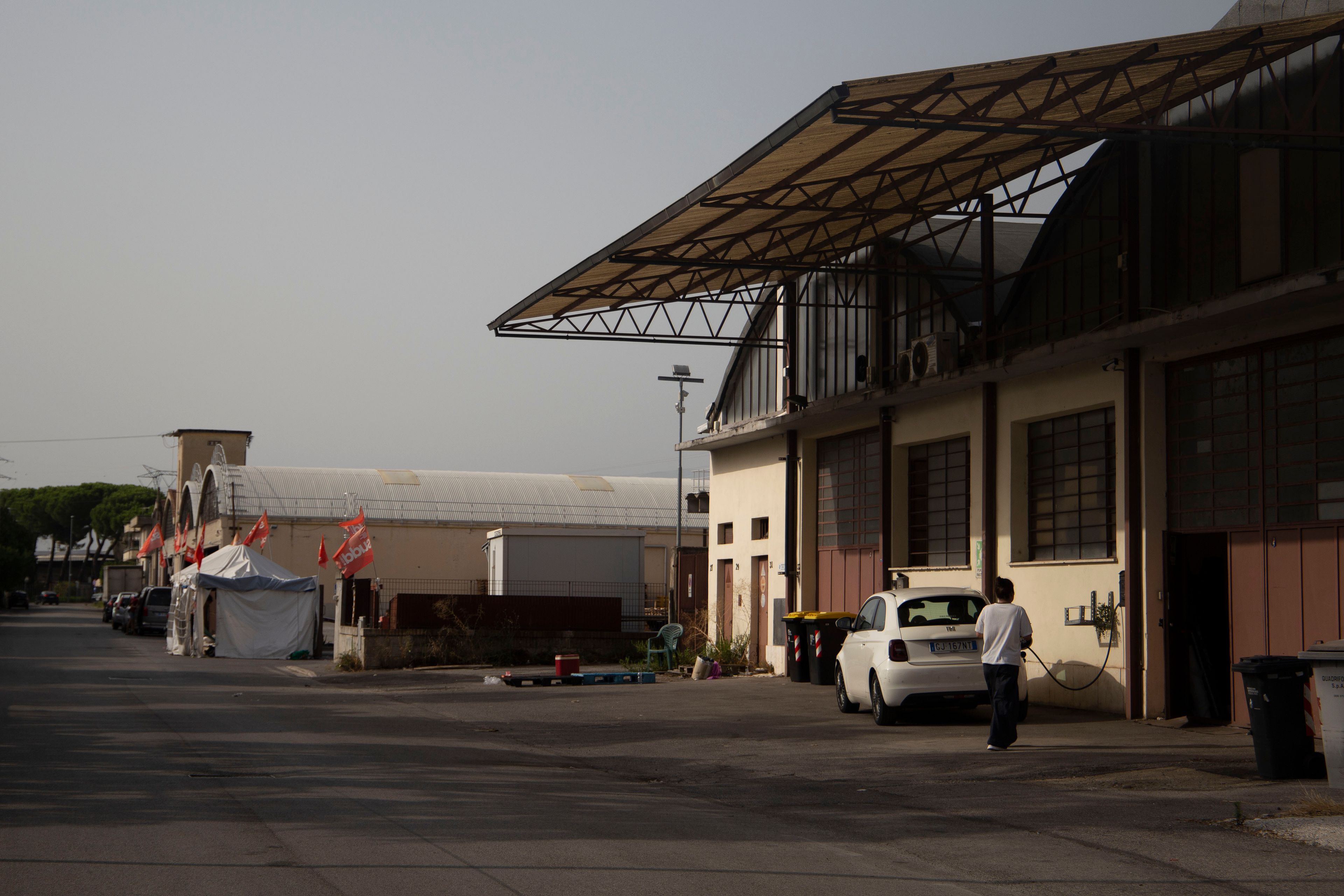
That outcome was buoyed by strong support from the local community and organisations such as Arci Firenze, who raised funds and donated food throughout the 70 days of pickets. “Every day people brought us food while we were on strike – from local bars, restaurants, or citizens living nearby,” says Elisa Zaccagni, 27, a worker who supported the strike.
“We build our union by nurturing the belief that change is not only necessary but also possible – and that it can only come from the bottom up, from the ordinary people who make up today's working class and solidarity. We are building a new way of organising that puts power back in people's hands. And in the end, a small multinational community thwarted the plans of a multinational corporation.”
“Prato is renowned as a double-faced productive district,” explains Alan Galbraith, 27, of the Sudd Cobas union. “On one side, fashion pointing towards sustainable process; on the other, the exploitation of foreign workers by criminal groups operating in a parallel system. In reality, we’re witnessing these two sides of the district becoming increasingly connected.”
Prosecutors, Organised Crime and What Comes Next
Luca Tescaroli, Prato’s Chief Prosecutor since July 2024, has described the city as a “multi-ethnic criminal laboratory”, warning of the growing presence of organised criminal groups within the fashion district. “Criminal groups operate in the area in an organised manner, including groups with mafia-type characteristics,” he explains. “Their activities are often sector-specific, but they rely on a wide range of criminal conduct.”
For Tescaroli, labour exploitation is one of the pillars holding up this parallel system: “There is widespread exploitation of labour, involving the recruitment and employment of undocumented workers, the falsification of documents and the failure to pay national and European taxes. These are all practices that contribute to creating a parallel economic system alongside the legal one.”
That system, he argues, has become a strategic node within a wider network: “This sector also draws on the organised management of irregular migration from Asia and Africa. Indian, Pakistani and North African workers are often exploited by Chinese entrepreneurs.” Nor does it exist in isolation, he adds: “The parallel economic system has entered into contact with the legal economy. It has become embedded in the wider economic fabric because it offers profitable opportunities, including through the outsourcing of production.”
Dismantling such a system, Tescaroli argues, means investigators cannot stop at the bottom of the supply chain – they must reach those who control it from the top. “We need a two-level strategy: on the one hand, proceedings against those responsible for exploitation on the ground; on the other, action against those at the top of the system, including through preventive measures such as judicial administration.”
The union’s diagnosis is borne out in the data: a recent report on the Prato fashion district by IRPET (Regional Institute for Economic Planning of Tuscany), published in February 2026, found a traditional, high-quality textile sector undergoing downsizing on one side, and a dynamic but economically fragile ready-to-wear sector – one that has been in crisis for years – on the other.
Workers and union members know this split first-hand. “I was among the first to join the union,” says Amir Sohail, 40, from Pakistan, in Italy for nine years. “I faced a lot of intimidation. Over time, we discovered that many of us in the union were being monitored through GPS devices installed on our phones, and also threatened outside our homes.”
Change is beginning to take hold in Prato – though bringing the criminal system into the light still depends on workers’ willingness to speak out. Chief Prosecutor Luca Tescaroli has worked to build trust among foreign workers, encouraging them to report abuse and cooperate with investigators. In February 2025, an appeal led by the prosecution drew 225 workers of different nationalities, along with several business owners, to report cases of labour abuse and exploitation.
“At the beginning, it seemed almost impossible to unionise exploited foreign workers,” Alan Galbraith concludes. “However, a large support and solidarity emerged among the local community and workers of other fields that joined our strikes. We achieved an extraordinary victory at the end of August, coming after an extraordinary struggle, and we will continue to carry on through strikes and picket lines to secure workers’ rights in the Prato textile district.”