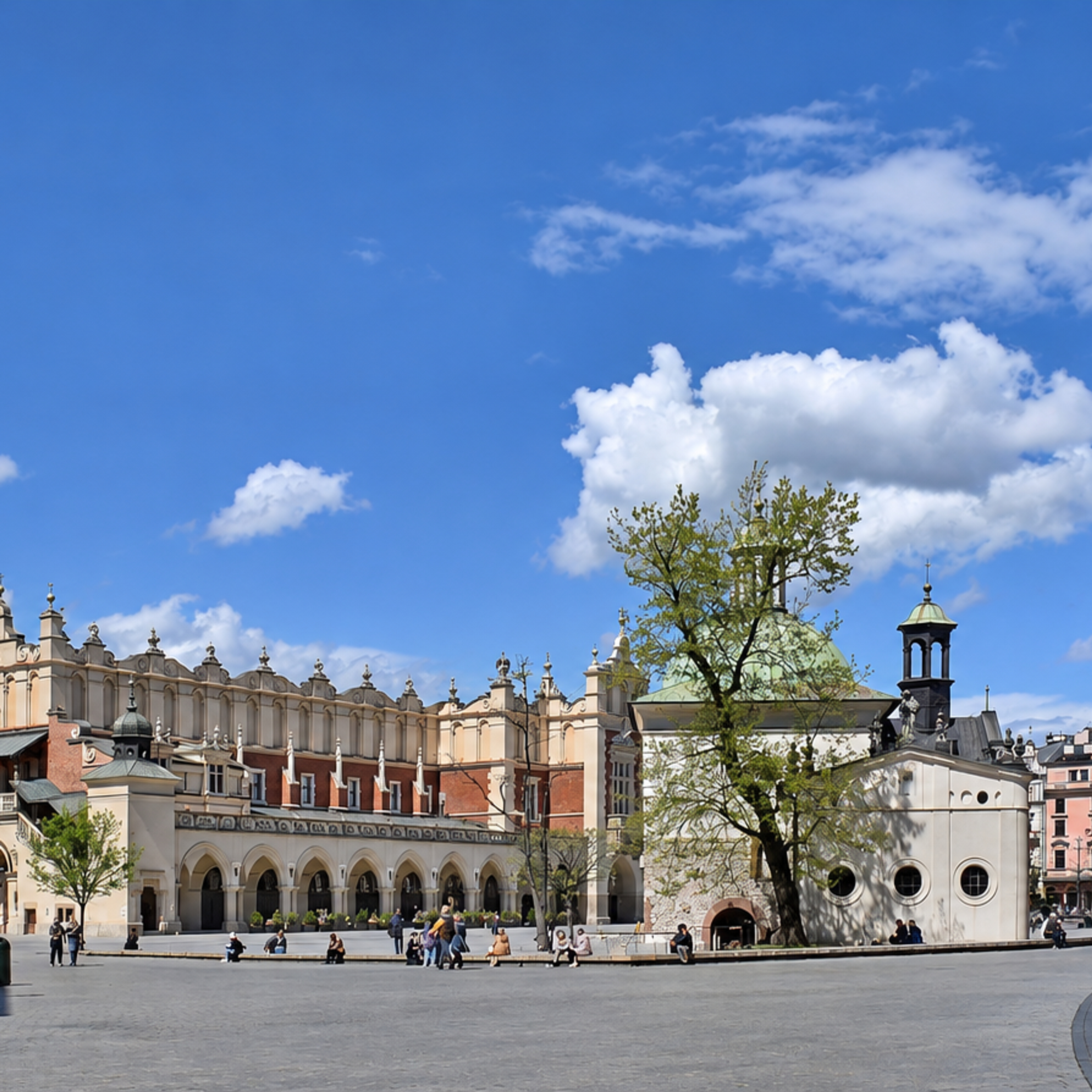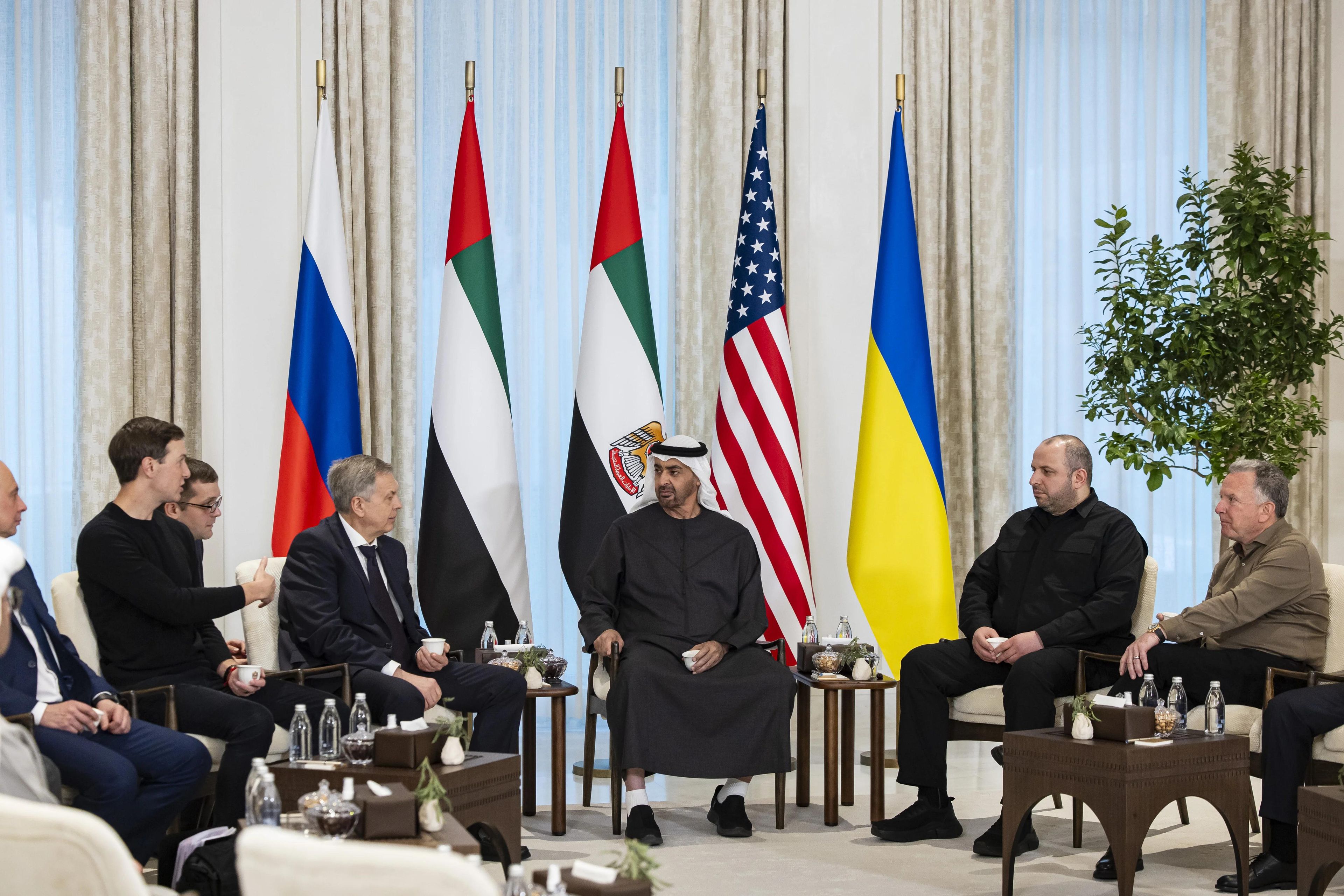
Russia, Ukraine and the United States began two days of talks in Abu Dhabi, the capital of the United Arab Emirates (UAE), on Tuesday (November 10) with no major expectations. US officials said the meetings are meant to clarify both sides’ positions and identify remaining differences, and that they do not expect a final settlement in the two days. Russian and Ukrainian officials also made similar statements. The session is the first such meeting since February.
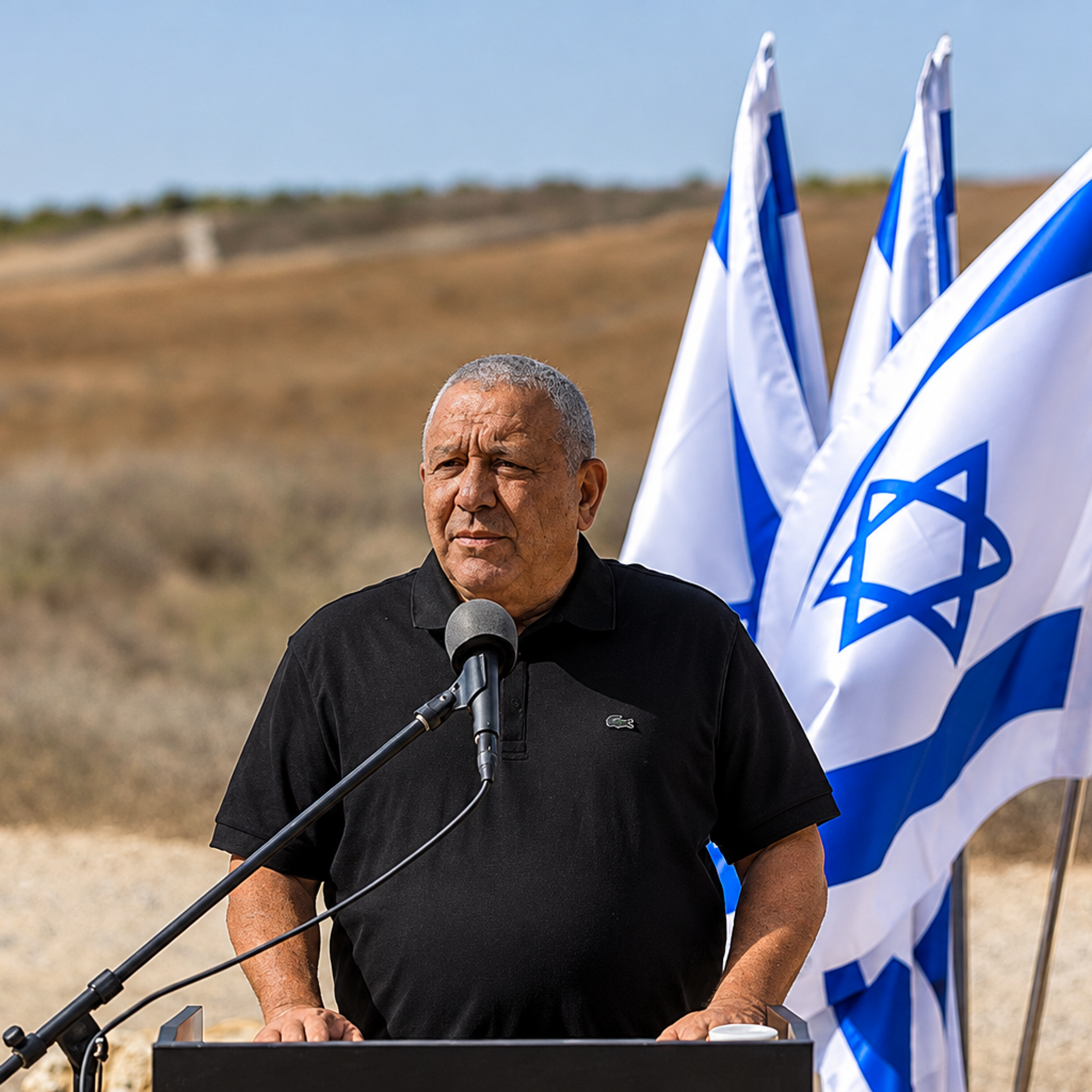
Typifying the nature of the ongoing clash, the talks are accompanied by new long-range strikes between Russia and Ukraine. Ukraine’s air force said Russia launched 162 drones, 96 of them jet-powered, and one ballistic missile overnight into Tuesday. Doubling down on his no-concessions approach, Ukrainian President Volodymyr Zelensky said in his nightly video address on Monday: “Ukrainian forces are currently genuinely strengthening Ukraine’s negotiating position.”
Focus on security guarantees
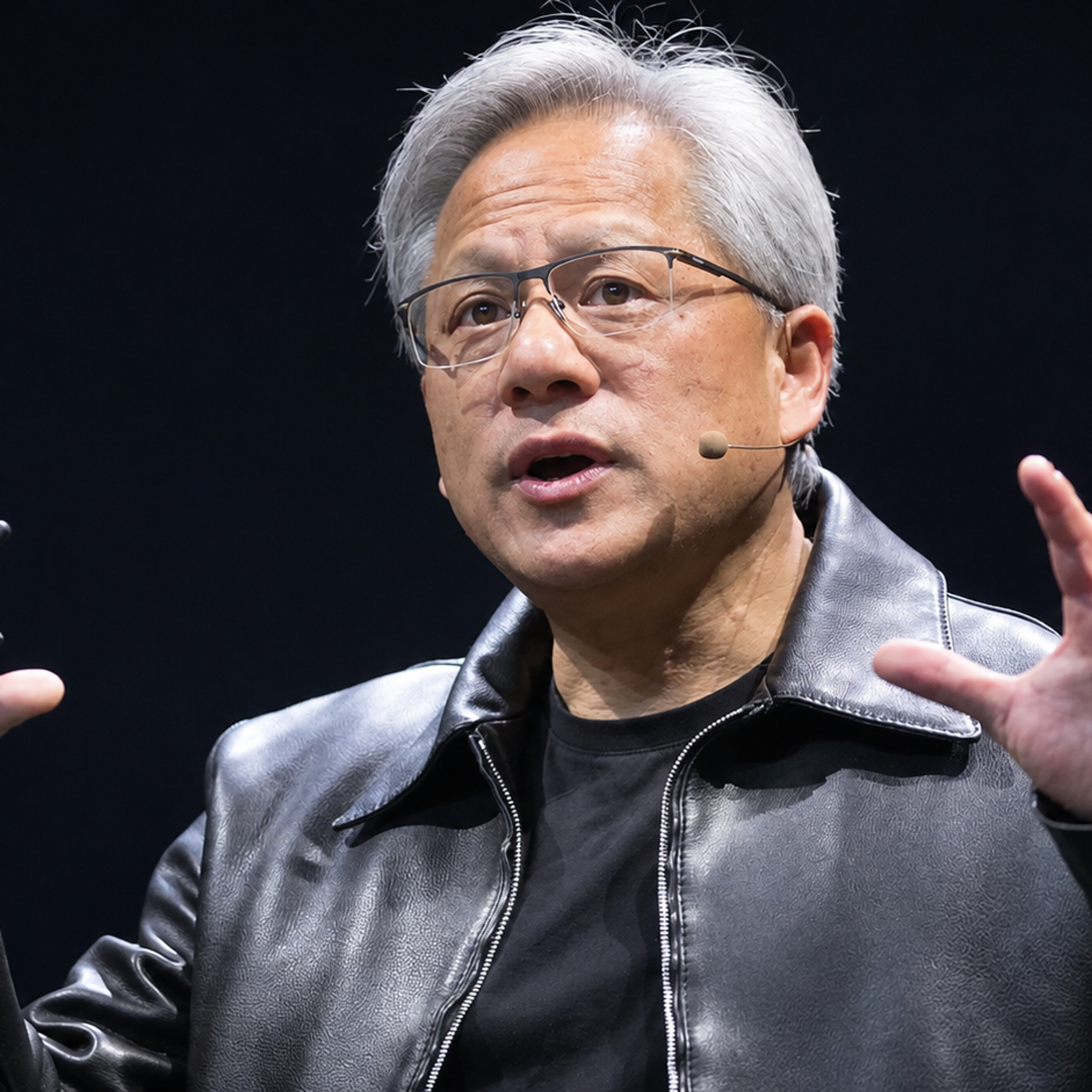
The White House said the talks would focus on establishing future security guarantees, a major point of contention between the warring parties. US special envoy Steve Witkoff, while speaking with the press, said that the discussions would focus on “post-war security arrangements, de-escalation, humanitarian efforts, and next steps toward peace.” Security guarantees have been a long-standing demand of Ukrainian President Volodymyr Zelensky, who has rejected any limits on Ukraine’s military or its arrangements with Western partners. Ukrainian media reported that the US asked Russia about security guarantees for Ukraine modelled on Article 5 of NATO’s charter. Neither Washington nor Moscow has publicly confirmed this.
Russia started the war against Ukraine to prevent the country from joining the North Atlantic Treaty Organisation (NATO). US envoy Jared Kushner described the goal as building a new framework and understanding that draws on past institutions and understandings. He told delegates he believed there were “some good ideas on how to bridge” the differences. He also indicated the talks could “build momentum” toward future negotiations.
However, not many in the delegation expected any major breakthrough. Speaking with DW, Davyd Arakhamia, a member of Ukraine’s delegation, said, “I don't think there will be a breakthrough, after there was such a long break in the negotiation process…Simply the fact that trilateral talks are being resumed can be counted as a success.”
Territory deferred
Territory is the hardest issue in the talks between Russia and Ukraine, and it is expected to come last. Al Jazeera reported that a US official, who refused to be named, said that although both Moscow and Kyiv had privately shown some flexibility, any territorial agreement would most likely come at the end of the negotiations, once other issues, including a post-war security framework, had been settled. Both countries' public positions have not moved. Zelensky has rejected Putin’s demand that Ukraine voluntarily cede territory Russia has not taken on the battlefield. Before the talks, Zelensky said recent battlefield gains had strengthened Kyiv’s hand. Moscow disputes his claim that Russian forces are suffering record losses. Both the territory and security guarantees could make any quick settlement difficult.
Europe on the margins
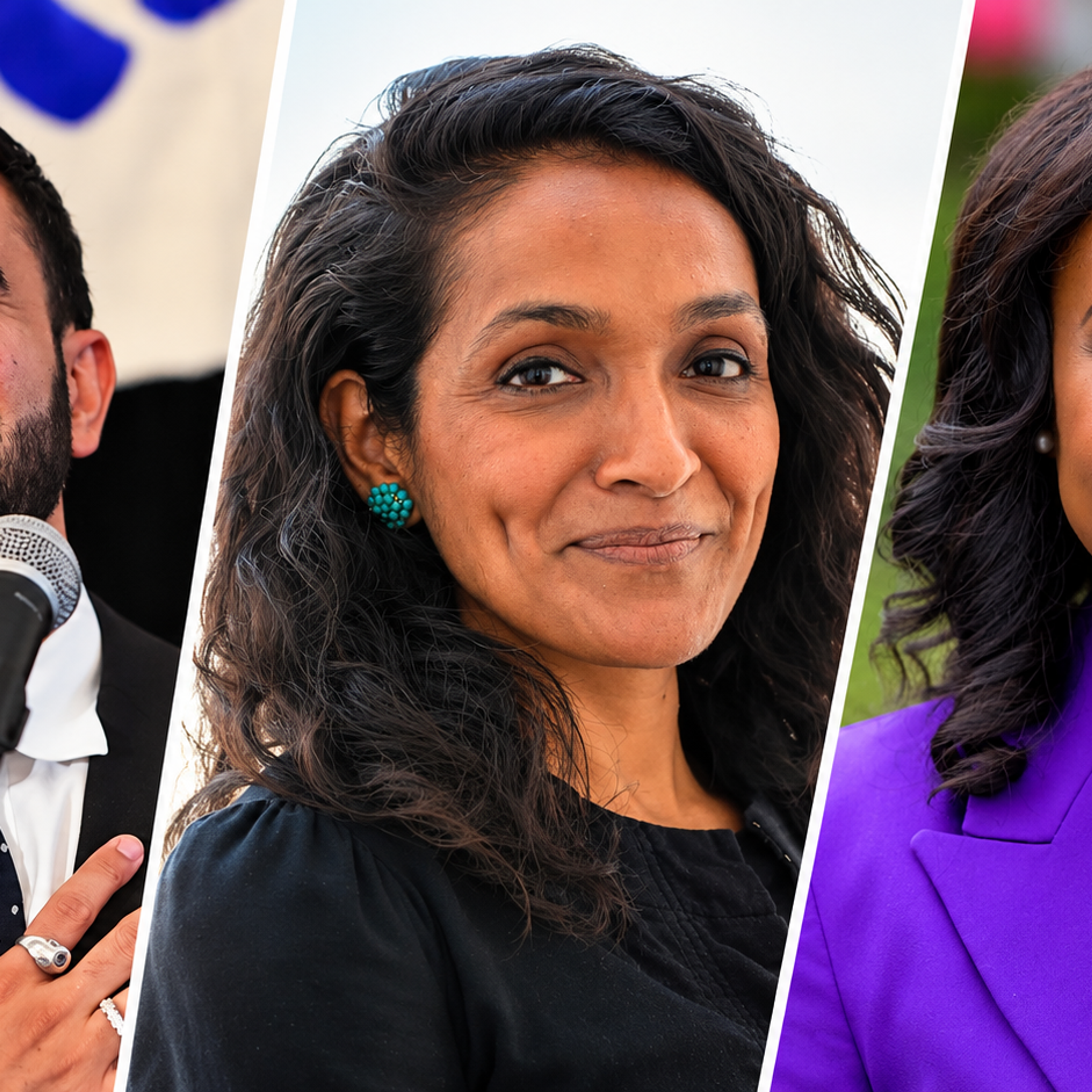
Despite Europe’s effort to join the talks, Moscow objected to European involvement in the main talks but said EU representatives could join later. Before the talks began, the European diplomatic chief Kaja Kallas warned that Europe must have a role in Ukraine peace talks. French foreign minister Jean-Noël Barrot said that Europeans would be well represented in the US-brokered talks. However, he did not give any further details. Kushner has said a “comprehensive and lasting settlement” will need direct engagement between Russia and Europe, and that Abu Dhabi will set the stage for that to begin as part of a broader process. So far, Russia has been denying a chair to Europe at Ukraine negotiations and preferring to deal with Washington.
Signals to watch for
The first signal is whether Moscow engages on the substance of security guarantees. One analysis said a key signal would be whether Russian negotiators enter detailed talks on guarantees rather than simply restating territorial demands. If Russia only repeats its demand for the Donbas, the sessions could be considered unsuccessful. If its delegates get into further details of the guarantees, such as monitoring, verification, and the role of outside forces, that would indicate Russia has agreed to make key concessions.
The second signal could be about humanitarian exchange and restraining attacks on civilian infrastructure. Past rounds produced a swap of 314 prisoners of war in February, 157 from each side. Another exchange, or a limited arrangement covering energy infrastructure, would be the clearest sign the process is delivering. Ukrainian lawmaker Merezhko said he expects nothing beyond possible new prisoner exchanges. Hopes are also tempered by the absence of any significant breakthrough in three earlier rounds this year.
The third is whether the fighting eases or worsens while negotiators sit down. As of now, Russia and Ukraine continue to trade strikes and speak the language of conflict. Both sides continue to hit each other’s energy sites, and a new wave of strikes timed to coincide with the talks would undercut claims of good faith. So far, there hasn’t been much on this aspect.
The last signal is the format. Whether the talks stay trilateral or widen to include Europe will show how far Washington is moving from a Russia-Ukraine track toward a broader European security bargain. The Kremlin’s stance on the Europeans, and any announcement of a next round or a wider meeting, will say more than the opening statements did. So far, the Europeans have indicated they would not agree to any concessions that are not acceptable to Ukraine. Because of this stance, European participation has become a major red line for Russia.
The talks continue Wednesday. Any concessions from the current round would indicate the peace prospects.