France ordered the expulsion of two Iranian diplomats on August 18, tipping a month-long row over the treatment of its embassy staff in Tehran into one of the sharpest ruptures in Franco-Iranian relations in years. The episode added a fresh flashpoint to an already fraught week of West-Iran tensions over Tehran’s nuclear programme, its crackdown on protesters and the wider regional war.
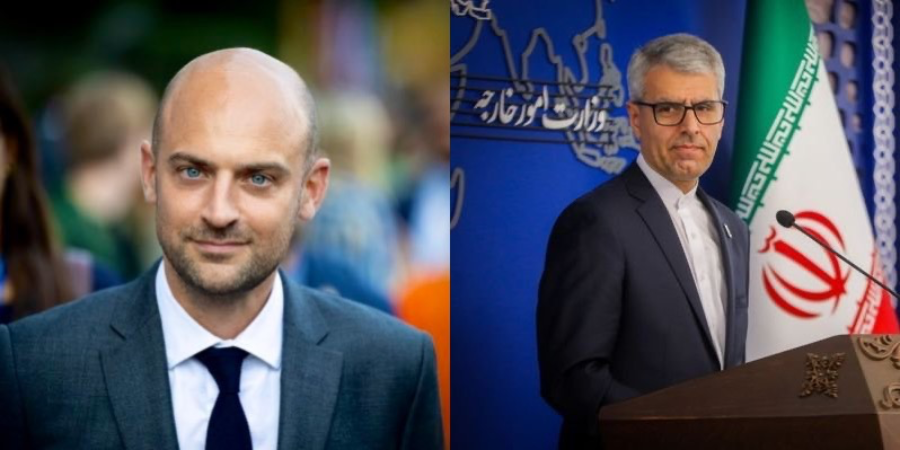
The retaliation followed Iran’s decision to permanently bar the two French diplomats from re-entering the country. The pair had already left Iran for France following their detention in July. On August 17, Foreign Ministry spokesperson Esmaeil Baqaei confirmed that the ban was now official: “The two individuals involved left Iran. We also officially announced that they would not be permitted to return.”
On July 19, Iranian security forces had detained two French embassy staff – one of them the cultural attaché – for several hours in Tehran, confiscating their phones and, in one case, using physical force. French Foreign Minister Jean-Noël Barrot denounced the episode as an “extremely serious act of intimidation” and a “flagrant violation of diplomatic immunity” under the 1961 Vienna Convention on Diplomatic Relations, and Paris summoned Iran’s chargé d'affaires two days later. The two diplomats reportedly returned to France by July 23. The European Union condemned the incident as a “blatant violation” of the Vienna Conventions.
Why Iran Barred the Diplomats
Iran’s Intelligence Ministry says that its forces were executing a judicial order tied to a “major foreign infiltration and interference case” when they discovered the two French diplomats at what it called “a secret meeting point”, and that an initial probe showed the pair were “planning and designing a vast scheme aimed at exerting influence and engaging in foreign interference” to undermine Iran’s independence.
Although a vague accusation, the Iranian Foreign Ministry, on July 26, summoned the French ambassador to lodge a formal complaint, accusing the diplomats of engaging with Iranian civil society – artists, scientists and researchers – under the pretext of cultural outreach. Supporters of two Iranian graphic designers, Aria Kasaei and Elly Naghilou, separately told reporters that the pair had also been arrested, feeding Tehran’s narrative of a wider foreign-backed influence network.
The dispute sits atop a longer pattern of strain. Iran has for years detained French and other European nationals on espionage-related charges – French teachers’ union leader Cécile Kohler and her partner Jacques Paris spent nearly four years in Evin prison before their release in April 2026 – and diplomats estimate around 20 European citizens remain held across the country. Iranian Foreign Minister Abbas Araghchi has also accused Paris and other Western governments of “hypocrisy” over their criticism of Iran’s execution of protesters while backing Israel’s actions in Gaza and against Iran, deepening the mistrust behind the current stand-off.
France’s Response and the Likely FalloutBarrot confirmed the expulsion on X on August 18, saying that “this intolerable act” would carry consequences and that ordinary Iranians were “the primary victims” of a period of extreme regional tension, caught between domestic repression and military bombardment. Two Iranian diplomats posted in France will be asked to leave “in the coming days”. Yet, the tit-for-tat expulsions are unlikely to trigger an immediate rupture in relations – both sides have stopped short of downgrading diplomatic ties or recalling ambassadors – but they narrow an already limited channel for engagement at a moment when European mediation on Iran’s nuclear programme and regional de-escalation is in short supply.
France had signalled it was reviewing embassy staffing levels in Tehran even before the expulsion decision, and further reciprocal measures, including additional summons or restrictions on remaining diplomatic staff, cannot be ruled out. The row also complicates the EU’s efforts to present a united front on Iran policy, coming just days after Araghchi accused nearly thirty Western governments of hypocrisy, and it adds to the reputational pressure on Tehran as it simultaneously faces separate diplomatic and military friction with Washington over the wider war.