A military airstrike on a crowded riverside market in Myanmar’s Kyauktaw at about midday on Monday (28 September), killed at least 50 people and wounded 58, according to aid workers and the Arakan Army (AA), an ethnic armed group that seeks self-rule for Rakhine and controls most of the state. It was one of the deadliest recent attacks of Myanmar’s civil war, and it fell on the homeland of the persecuted Rohingya. The attack has come at a time when Malaysia began deporting 1,476 Myanmar nationals against UN warnings, while Myanmar’s military-backed president, Min Aung Hlaing, seeks international acceptance.
The Democratic Voice of Burma reported three strikes on the Indian Market and the nearby Kissapanadi Bridge, on a route linking AA-held areas. The first count was 33 dead. By Tuesday, aid workers put it at 50 and warned it could rise because some bodies were lost in fires. The figures have not been independently verified. The military could not be reached for comment.
Families gathered on Tuesday to claim bodies from plastic sheeting and plywood coffins. “I feel deeply pained and incredibly angry,” Aung Chay, 49, who was still searching for his brother-in-law, told AFP.
“The death toll has reached 50, and 58 people were injured,” aid worker Wai Hun Aung told AFP, warning the final death toll could be much higher as many bodies have been lost in the explosion.
Why Kyauktaw
No official reason has been given, but the setting is a fight for territory. Myanmar has been at war since the army ousted an elected government in February 2021, and ACLED estimates more than 100,000 deaths.
The AA seized 14 of Rakhine’s 17 townships from late 2023 and has held Kyauktaw since February 2024. Its stated political goal is autonomy: its leader has declared a commitment to ‘confederation’ status. Analysts note that it has not spelled out a formal demand, but Myanmar’s government has designated it a terrorist organisation.
The market is located on a river trade route to India that became a lifeline for a region cut off from the rest of Myanmar. ACLED analyst Su Mon said the army wants Rakhine back, but an offensive launched this month has not brought gains.
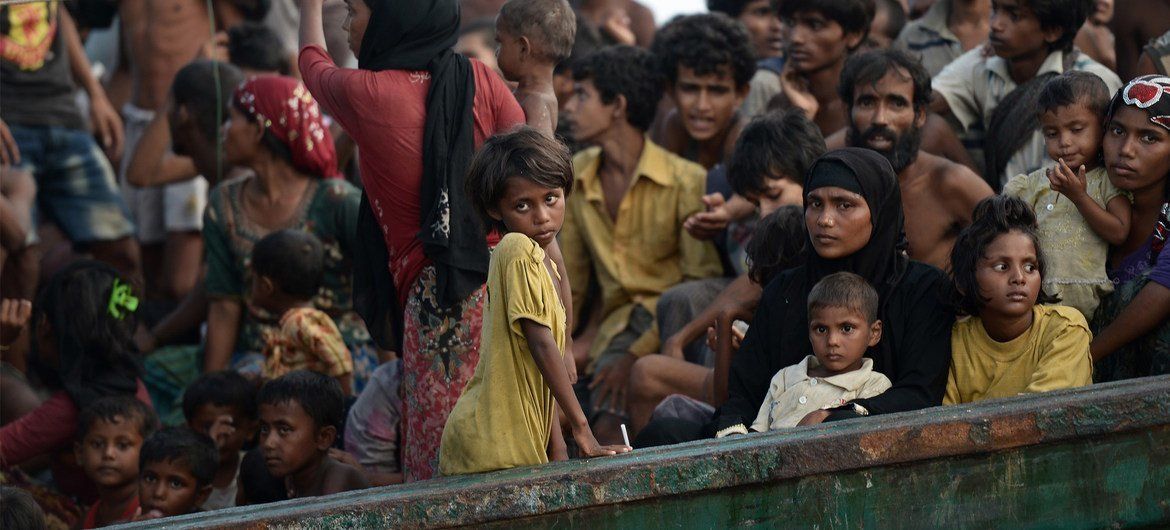
Reports do not identify the victims’ ethnicity, and Kyauktaw is largely ethnic Rakhine and Buddhist. But Rakhine is where the Rohingya, a mostly Muslim minority denied citizenship, faced decades of persecution. AsiaNews says more than a million now live in Bangladeshi camps, including over 150,000 who fled after late 2023.
Those who remain are squeezed from both sides. Rights groups accuse the AA of detention, torture and forced displacement, and the military has conscripted some Rohingya to fight it. UN data put nearly half a million people as displaced in Rakhine.
How the world has responded
UN rights chief Volker Türk said the attack “raises serious concerns about respect for international humanitarian law”. Secretary-General António Guterres condemned it and demanded accountability. His spokesman said it “brings that reality into sharp focus”: conditions do not exist for safe returns, Rohingya included.
Regional lawmakers demanded that “the Myanmar junta must be held accountable” and asked ASEAN to bar its representatives from November’s Manila summit.
Malaysia: deportation, not rehabilitation
Meanwhile, Malaysia is not rehabilitating the displaced; it is sending people back. The first group of 1,476 Myanmar nationals held in immigration detention (1,370 men, 79 women, 20 boys, seven girls) left on Myanmar naval vessels on Tuesday, under what Malaysia calls a voluntary scheme covering 5,000 people. Guterres urged Kuala Lumpur to halt it, and the UN refugee agency says it is not involved.
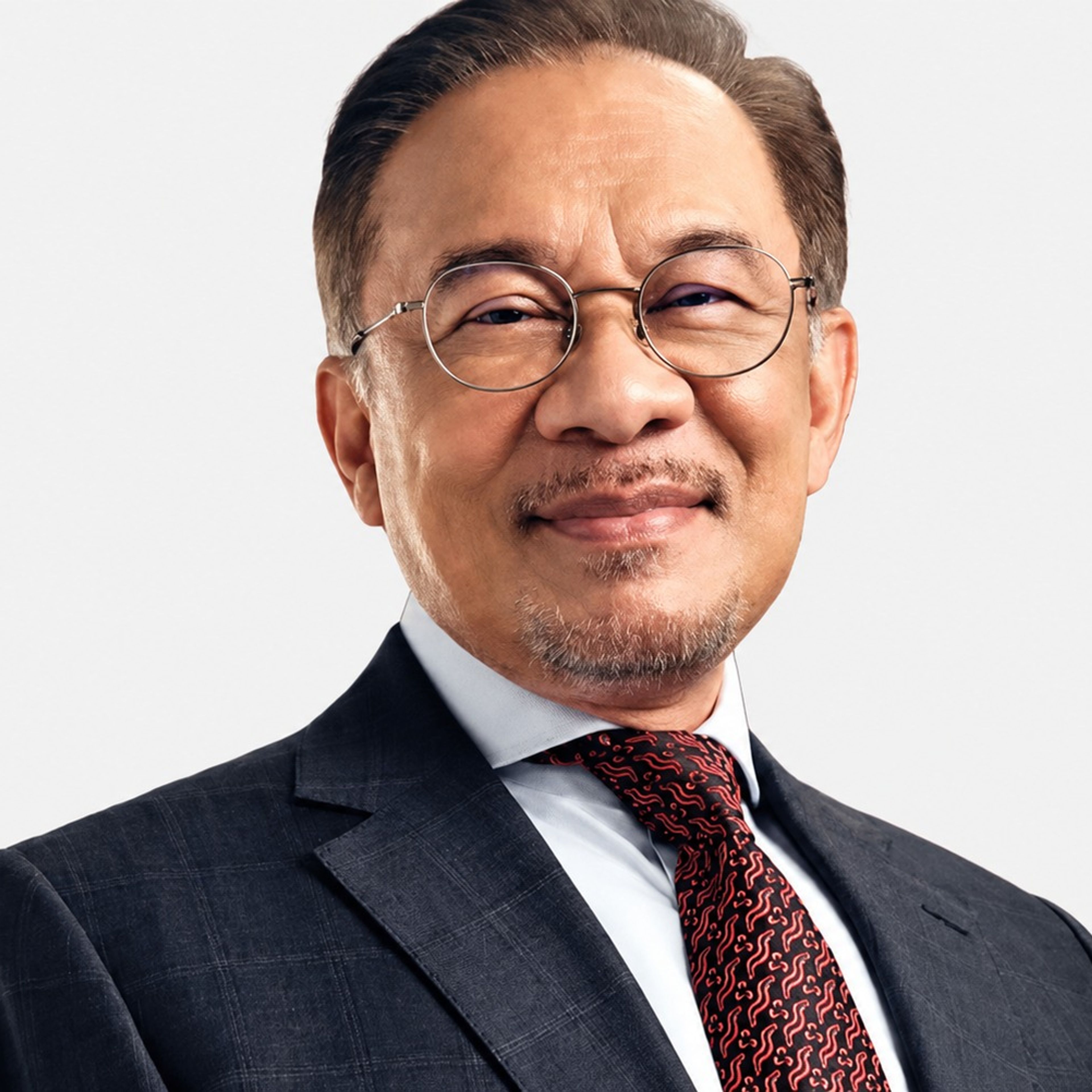
Malaysia has not said how many are Rohingya, and a Myanmar official says the scheme excludes them. Malaysian Prime Minister Anwar Ibrahim said that Myanmar had agreed to take back 5,000 Rohingya. Malaysia is not a party to the UN Refugee Convention and treats refugees as undocumented migrants. It hosts about 126,000 registered Rohingya, and AsiaNews reported about 465 deaths in its detention centres since 2021.
What the attack means for Myanmar’s diplomatic push
Min Aung Hlaing became president in April after a vote in a military-dominated parliament. He has visited four ASEAN states seeking readmission to the bloc, though ASEAN has not recognised his government. The UN has declined to list him as president, and a credentials dispute over Myanmar’s UN seat is pending. The International Court of Justice is expected to rule soon in The Gambia’s genocide case over the Rohingya.
The strike hands critics fresh evidence at a sensitive moment, so the damage is likely to be reputational rather than a diplomatic rupture. China and Russia have given him red-carpet receptions, and Malaysia’s use of Myanmar’s navy for the deportations shows neighbours putting pragmatism first.