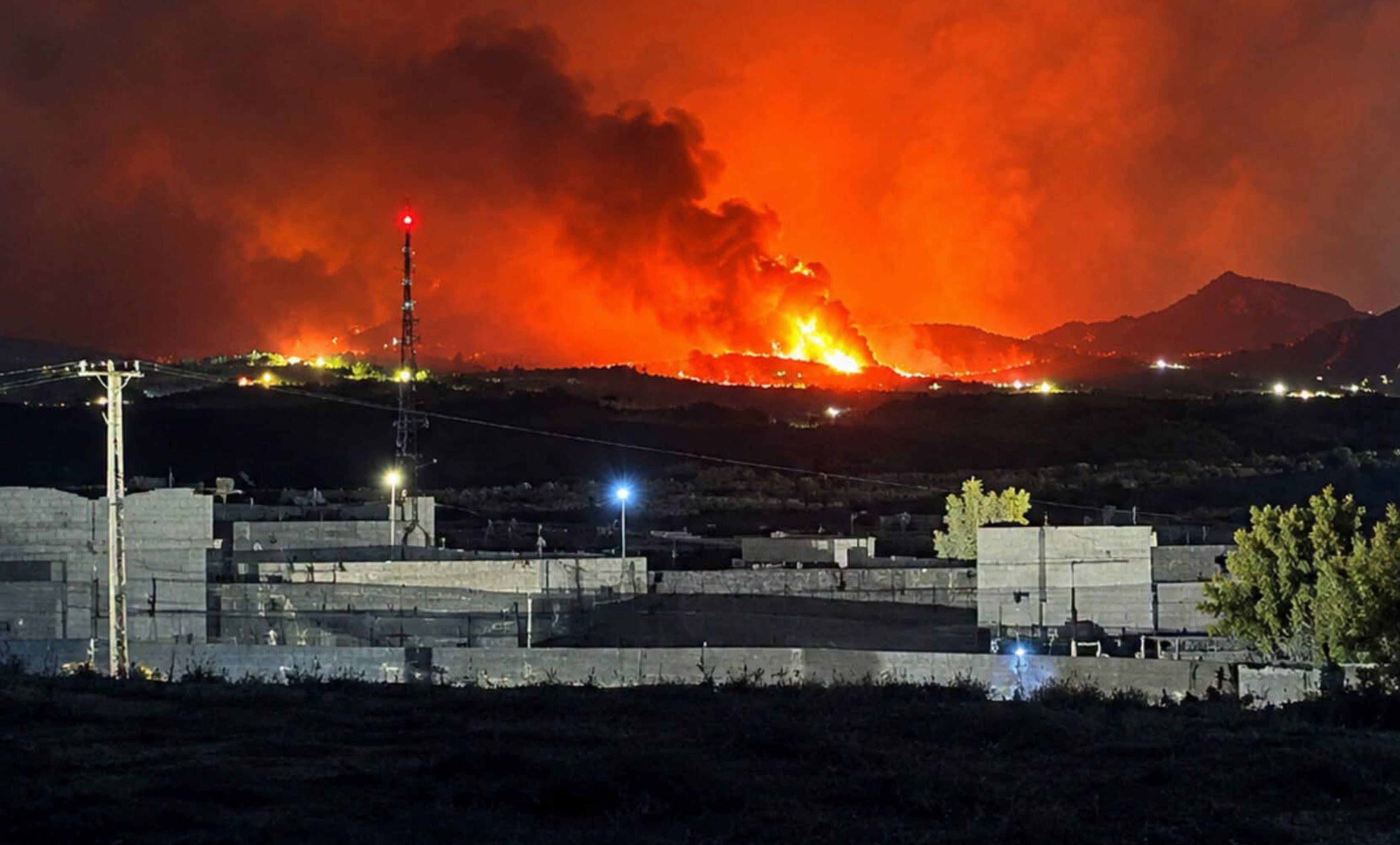
Pakistan struck 10 sites in Afghanistan overnight into Thursday (September 24) with air and drone attacks. This is the latest escalation in a months-long conflict between the two South Asian neighbours, who are at odds on a range of issues from terrorism to territorial disputes. Talking to media, Pakistan’s Information Minister Attaullah Tarar said the strikes targeted locations used for launching and storing drones. He described the operation as deliberate and proportionate, aimed strictly at military targets tied to recent attacks on Pakistani soil.
Tarar also warned that Pakistan would “neither accept nor tolerate” attacks from Afghan territory and that any further provocation would be met with an “immediate and decisive response.” A day earlier, Pakistan announced the shooting down of eight drones near the Torkham border and Kohat, which it said were launched from Afghanistan. Islamabad also cited “unprovoked firing” by Afghan Taliban forces near Kurram as its forces attempted to stop armed men crossing into Pakistan.
As to the airstrikes, an AFP report cited a resident of Kandahar who reported hearing a jet, followed by a large explosion and a fire in the city centre. Kandahar is the city where the Taliban’s supreme leader, Hibatullah Akhundzada, is based. Afghan local officials reported that the overnight strikes hit Paktia and Khost provinces. The Paktia governor’s spokesperson confirmed jets bombed an Afghan army corps in the province, though no casualty figures were given. A spokesperson for the Khost governor separately confirmed strikes there too, saying they caused no casualties. Afghan officials have consistently denied Islamabad’s accusations, instead accusing Pakistan of violating Afghan sovereignty and harbouring hostile groups of its own.
Long-running campaign
The exchange is the latest in a long-running cycle of violence since Afghanistan and Pakistan fought a brief war in February that killed hundreds of Afghan civilians, according to the UN mission in the country. Pakistan’s ongoing counter-terrorism campaign, Operation Ghazab lil Haq, was launched on the night of February 26 after what Islamabad described as unprovoked cross-border firing by Afghan Taliban forces. The current standoff has followed a recurring pattern through the year.
In early June, Pakistan declared that its airstrikes had killed 26 militants. Later the same month, Pakistan struck the border region again, saying the action followed a wave of attacks including one on a Rangers camp in Karachi. The government stated that 25 militants were killed in strikes on Paktia, Paktika, and Kunar provinces. The conflicts continued despite both countries reaching a ceasefire agreement in March. The major reason: Islamabad’s demand that Kabul rein in the Tehreek-e-Taliban Pakistan (TTP), or Pakistani Taliban, remains unfulfilled.
The TTP has been waging a sustained campaign against Pakistan. In turn, Pakistan has accused Kabul of sheltering TTP forces and allowing them to operate freely, along with other groups including Al-Qaeda, the Islamic State-Khorasan affiliate (ISIL-K), and the Baloch Liberation Army (BLA). A UN Security Council-mandated monitoring report confirms these groups have deepened their operational ties. Afghanistan denies the charge and instead accuses Pakistan of repeatedly violating its sovereignty through unilateral airstrikes.
Diplomatic pressure
Pakistan has paired its military campaign with a diplomatic push. On September 22, the country’s Deputy Prime Minister and Foreign Minister Ishaq Dar called for “concrete and verifiable action” to prevent Afghan territory from being used for attacks against any neighbouring country, particularly Pakistan, addressing a meeting of the OIC Contact Group on Afghanistan in New York. Dar said Pakistan was “seriously concerned” about the presence of more than two dozen “terrorist groups” operating from Afghanistan. Earlier this month, Pakistan’s Foreign Office said that meaningful progress in ties with Kabul would depend on the Taliban government taking verifiable action against the TTP, adding that though continued diplomatic engagement from China was welcome, it “could not substitute” for action by Kabul itself.
Latest conflict
The latest airstrikes follow a militant attack on a police headquarters in Pakistan’s Khyber Pakhtunkhwa province on September 18, in which at least 31 people were killed. Islamabad has blamed the TTP for the attack. Pakistani security forces later said they killed eight attackers during an overnight clearance operation to retake the compound.
The attack on the police headquarters marked one of the deadliest strikes on Pakistani security forces in recent months and became a key trigger for Islamabad’s subsequent air campaign against Afghanistan, including strikes on September 21 and 24. Pakistan had initially hoped a Taliban-led Afghanistan would prove more cooperative on cross-border militancy following the group’s 2021 return to power, but the two countries have instead found themselves at odds over fundamental differences on border security and terrorism.