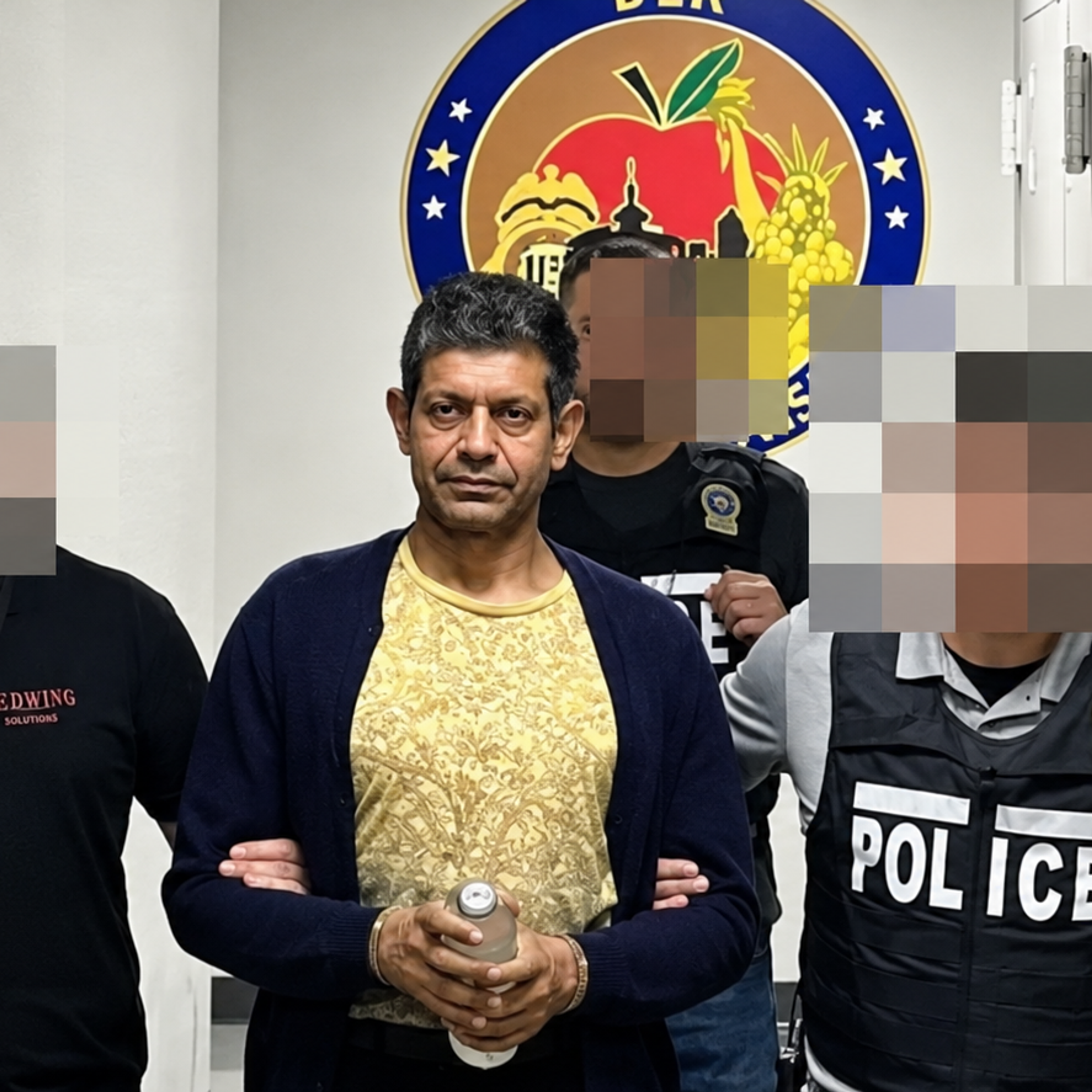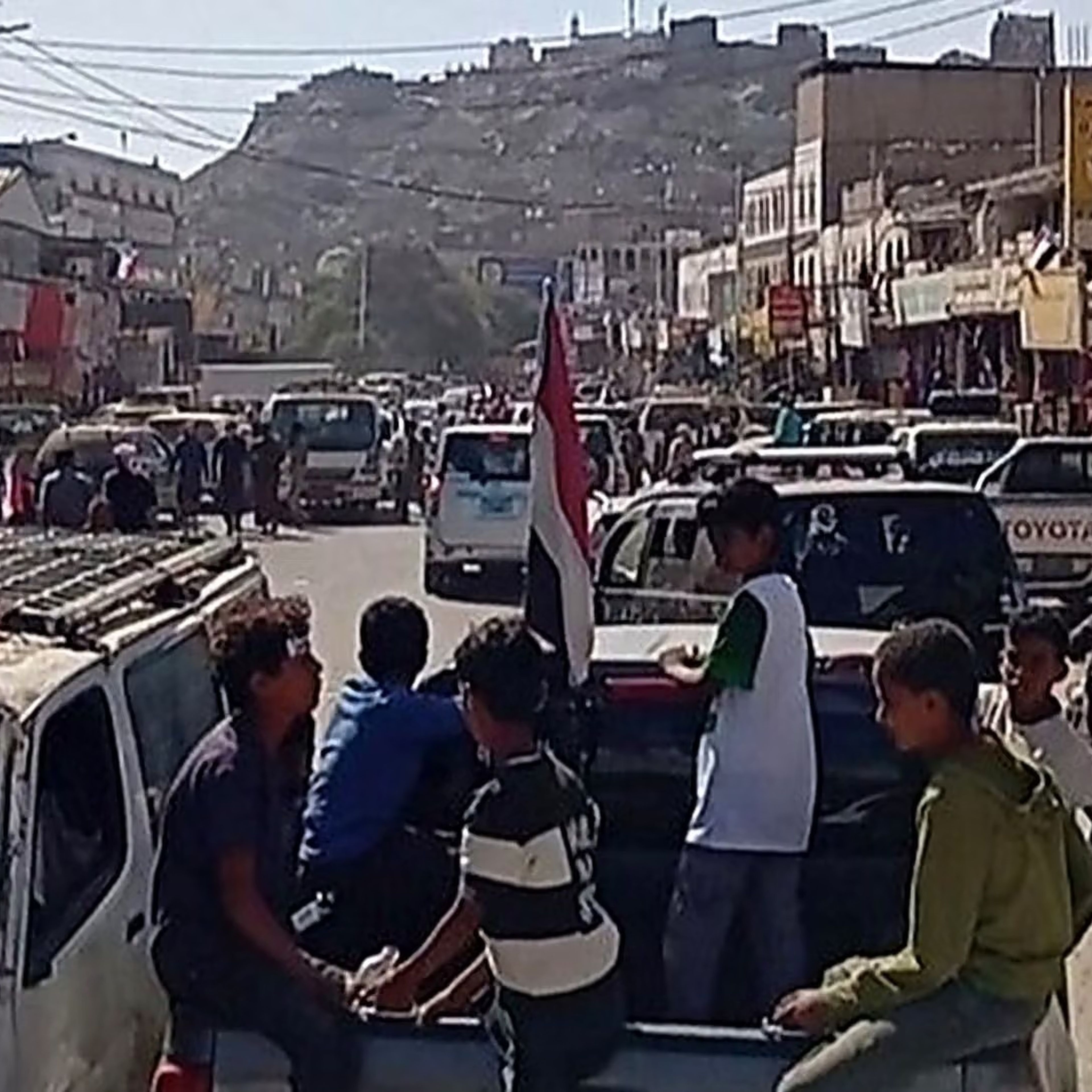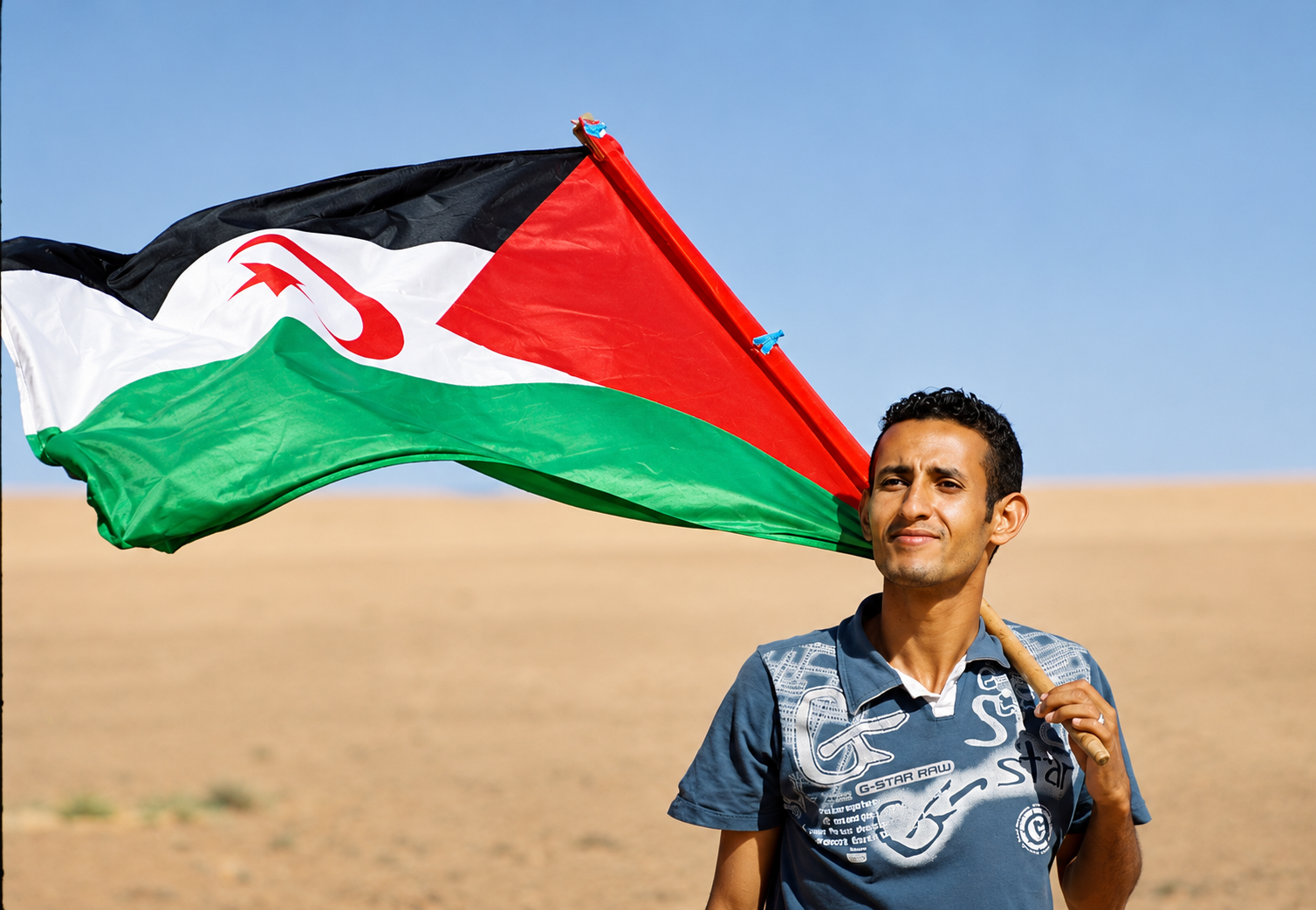
The Western Sahara conflict, widely recognised as Africa’s longest-running territorial dispute, is entering a potentially dangerous new phase after the Polisario Front declared a state of “general mobilisation” against Morocco, days after the departure of the UN peacekeeping mission that had monitored a fragile ceasefire for 35 years.
The dispute dates back to the end of Spanish colonial rule in 1975, when Morocco took control of most of the territory, triggering a decades-long struggle with the Algeria-backed Polisario Front, which seeks an independent Sahrawi state. While Morocco insists on autonomy under its sovereignty, Polisario demands a referendum allowing the territory’s people to exercise their right to self-determination. With the dispute unresolved and UN peacekeepers no longer on the ground, tensions have risen further, particularly after Polisario accused Morocco of massing troops along the sand wall dividing the territory.
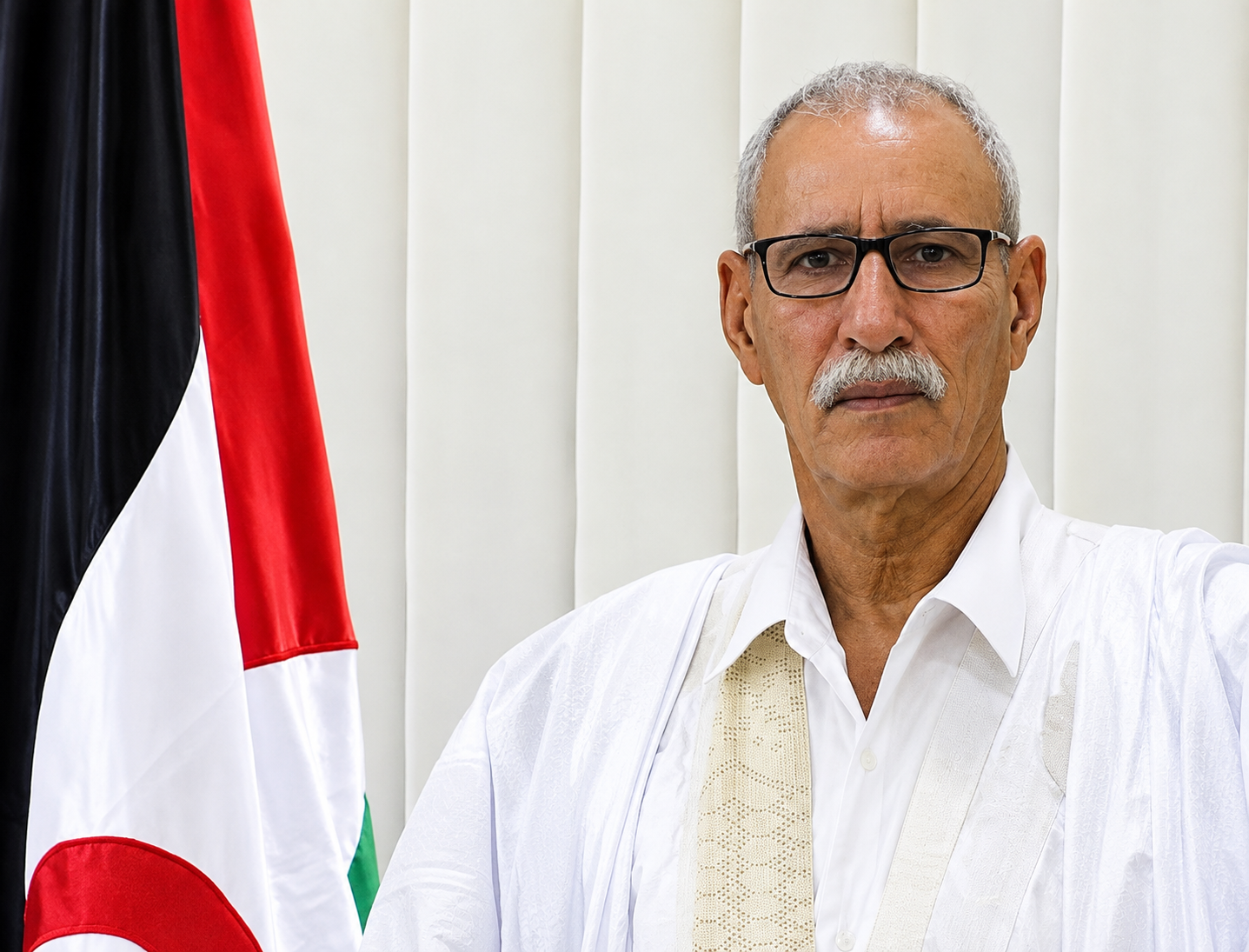
The mobilisation declaration was announced on Tuesday (November 10), following an emergency meeting chaired by the movement’s leader, Brahim Ghali, who also holds the title of president of the self-proclaimed Sahrawi Arab Democratic Republic. In a statement, the movement called on all Sahrawi men and women to be ready to defend their right to self-determination and independence. It cited what it described as escalating Moroccan military movements. It also urged the United Nations and the African Union to press Morocco to end its “illegal occupation” of what it calls the Sahrawi Republic’s territory.
According to Demócrata, the movement also appealed to neighbouring peoples to resist “the Moroccan expansionist aggression that threatens the security of all of us.” Polisario’s UN representative, Sidi Omar, told PassBlue that if Morocco tried to occupy more Sahrawi land, “we will not stay idle”. Speaking after the Security Council deadlock, he said Morocco and its allies bear full responsibility for the consequences of ending the mission.
No fighting beyond the existing low-level clashes has been reported. Rabat, meanwhile, has said it will adhere to the truce. Following a meeting chaired by King Mohammed VI on November 4, the royal palace said Morocco’s “voluntary commitment” to the ceasefire would remain in place despite the mission’s departure. Earlier, the palace had described the non-renewal as a “significant development” and said the Western Sahara issue should be withdrawn from the Security Council’s consideration.
The mission, known as MINURSO, lapsed after the Security Council failed to agree on its future. On October 30, Russia vetoed a US-drafted resolution that would have backed Morocco’s autonomy plan. A rival Russian text seeking to extend the mandate for another year was also defeated. The US text received 11 votes, with China, Pakistan and Somalia abstaining. Only China and Somalia backed the Russian draft, which fell short of the nine votes required for adoption.
The UN mission ceased operations on November 1. UN Secretary-General António Guterres said its departure did not extinguish the right of the territory’s people to self-determination. He also voiced concern about the risk of escalation. The dispute subsequently moved to the General Assembly, which met on November 10 to discuss the veto. US Ambassador Mike Waltz argued that a referendum that can never be held serves no one. Algeria, Namibia and South Africa defended the veto as a means of protecting the decolonisation framework.
The stakes extend well beyond the territory itself, a vast stretch of desert on Africa’s Atlantic coast and the site of one of the continent’s longest-running territorial disputes. Morocco controls roughly 80 per cent of it, while Polisario holds the remaining strip east of a Moroccan-built sand wall. The dispute is also a flashpoint between Morocco and Algeria and a test of how far Washington can reshape a UN process.
How a colonial handover became a 50-year dispute
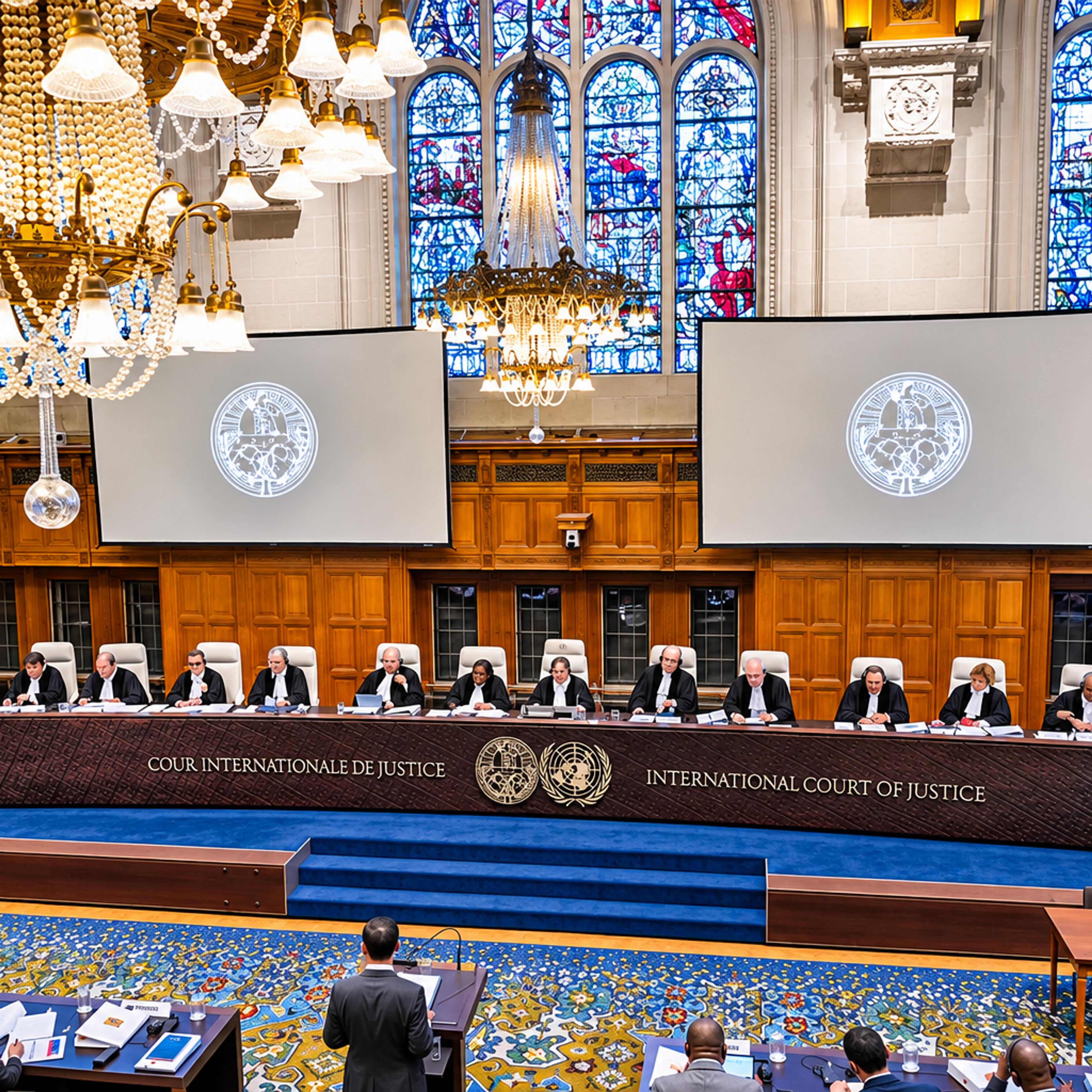
Spain ruled the territory as Spanish Sahara. By 1974, it had announced plans for a self-determination referendum. Morocco, which claims historic ties to the land, persuaded the UN General Assembly to ask the International Court of Justice for an advisory opinion, following which Spain suspended the vote pending the ruling. The Polisario Front had been formed in 1973 to end Spanish rule.
On October 16, 1975, the court found that some legal ties existed between the territory and Morocco, as well as with the Mauritanian entity. It also found that none of these ties amounted to sovereignty that would override the principle of self-determination.
The Green March and the Madrid Accords
On November 6, 1975, King Hassan II sent an estimated 300,000 to 350,000 Moroccan civilians across the border in what became known as the “Green March”. The Security Council deplored the march in Resolution 380, which also called on Morocco to withdraw the participants. Moroccan troops were also entering the territory.
On November 14, Spain, Morocco and Mauritania signed the Madrid Accords, under which Spain handed over administrative control to the other two states without resolving the question of sovereignty. Morocco took the northern two-thirds of the territory, while Mauritania took the remainder. Polisario declared the agreement null and void the following day.
Polisario proclaimed the Sahrawi Arab Democratic Republic on February 27, 1976, and fought both occupying powers from bases in Algeria. Many Sahrawis fled to refugee camps near Tindouf. Mauritania subsequently made peace with Polisario and withdrew in 1979. Morocco then took over the territory it had previously controlled.
Between 1980 and 1987, Morocco built a fortified sand berm, roughly 1,700 miles long according to PassBlue, securing the territory under its control. The war lasted more than 15 years and claimed more than 16,000 lives.
A UN-brokered ceasefire took effect on September 6, 1991. MINURSO was established to monitor the truce and organise a referendum, but the vote was never held. The main obstacle was a dispute over voter eligibility. The UN suspended the voter identification process in 1996. The Baker-brokered Houston talks in 1997 and the subsequent Baker Plan of 2003 also failed to produce a referendum. In 2003, Polisario endorsed the plan, but Morocco rejected it. Morocco subsequently put forward its autonomy proposal in 2007.
The slow erosion of the 1991 deal
The ceasefire broke down in November 2020, when Morocco moved into the Guerguerat buffer zone and Polisario declared the truce void. Low-intensity fighting has continued since then. In December 2020, the US recognised Moroccan sovereignty over Western Sahara as part of a deal under which Rabat normalised relations with Israel. Polisario’s information ministry said at the time that the decision changed nothing in legal terms, as the international community did not recognise Moroccan sovereignty.
International support for Morocco’s autonomy plan subsequently widened. Britain became the third Security Council member to back autonomy under Moroccan sovereignty in June 2025, following the US and France. In October 2025, Resolution 2797 described genuine autonomy as potentially the most feasible outcome. Critics argue that this approach sidelines the principle of self-determination. Talks in early 2026 ended in a stalemate. In October 2026, Washington sought to incorporate Morocco’s plan into the mission’s mandate, prompting Russia’s veto.
Why Polisario opposes Morocco
The movement’s central argument is the right to self-determination. The UN lists the territory as non-self-governing, and Polisario maintains that Sahrawis must be allowed to choose independence. It views Morocco as an occupying power that took the land by force in 1975 and accuses Rabat of exploiting its resources without Sahrawi consent. Polisario says its supporters now regard the UN mission as a failure. Omar said Sahrawis “won't miss it”, arguing that it had been present for more than 30 years without being able to fulfil its mandate.
Morocco, for its part, says the territory is historically its own and points to its phosphate reserves and fisheries. It argues that a referendum cannot be organised and that autonomy under Moroccan sovereignty is the most realistic option. Polisario has rejected that proposal, although it submitted an “expanded proposal” in October 2025. The movement says its proposal could accommodate a solution similar to autonomy, provided Sahrawis endorse it.
With no peacekeepers remaining on the ground, the only remaining UN presence is that of envoy Staffan de Mistura. The key questions now are whether the truce will hold without monitors and whether Morocco will move against the strip of territory still held by Polisario.