Brazilian President Luiz Inácio Lula da Silva used his first major international appearance since winning a historic fourth presidential term to deliver a pointed message to world leaders at COP31: the climate emergency must not be pushed aside by wars, arms races and geopolitical rivalries. Addressing the opening of the UN climate summit in Antalya, Türkiye, on November 11, Lula warned that global leaders were devoting more attention to weapons and trade tariffs than to the survival of future generations, and urged countries to restore climate action to the centre of international diplomacy.
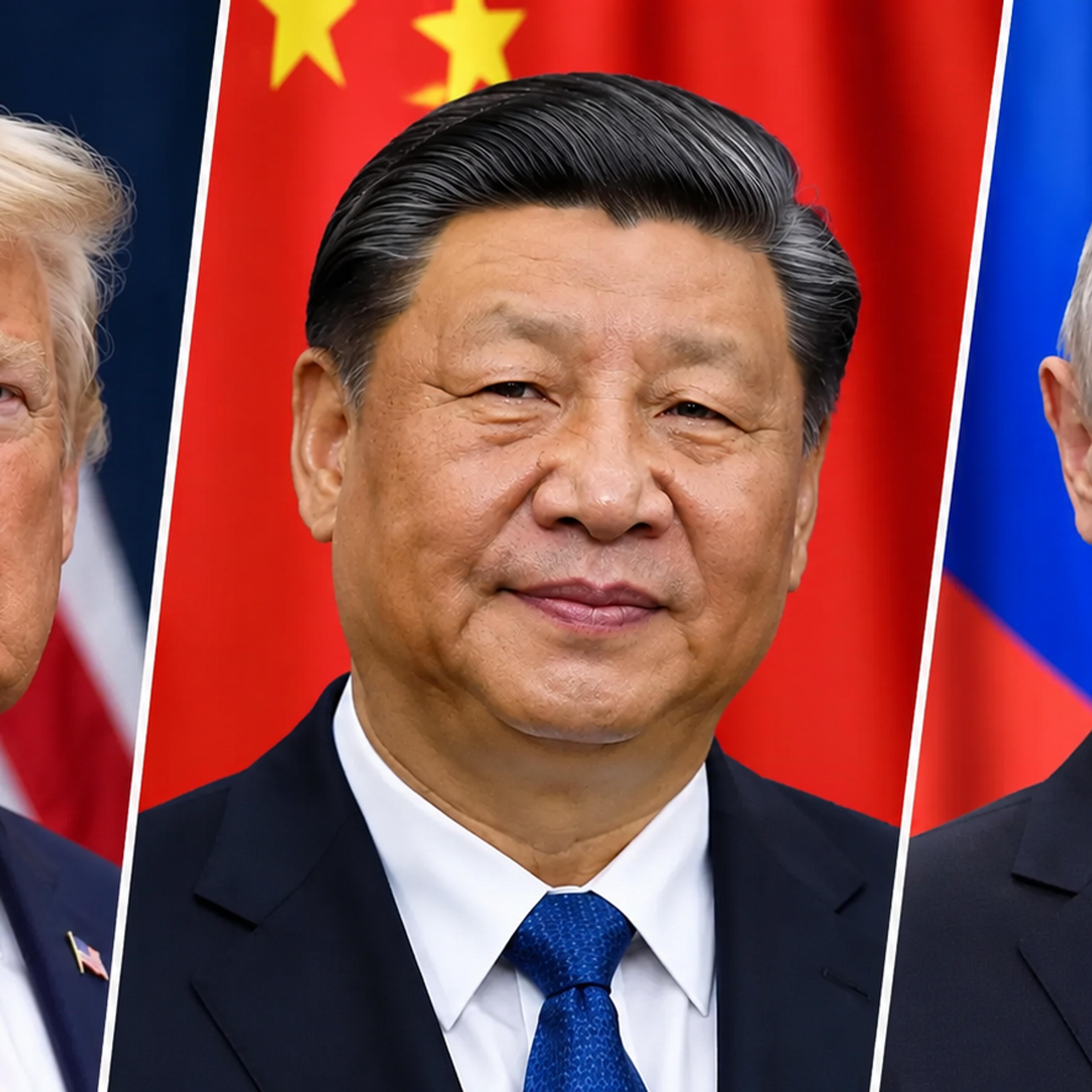
His intervention came at a particularly significant moment for climate negotiations. A year after Brazil hosted COP30 in Belém, bringing unprecedented numbers of Indigenous people, traditional communities and civil society representatives into the climate debate, the international momentum generated by the summit has weakened. The United States under President Donald Trump has withdrawn from the Paris Agreement and stayed away from the COP31 leaders’ gathering at the federal level, while the 1.5°C temperature threshold set by the Paris Agreement is now expected to be breached. Wars, trade tensions and competing security priorities have further complicated international cooperation. Against this backdrop, Lula’s re-election on October 25, defeating far-right challenger Flávio Bolsonaro, gave Brazil a renewed political mandate to champion the climate agenda.
In his address, Lula said climate change had virtually disappeared from the speeches and documents of major global powers. At meetings of the G7 and G20, which bring together many of the world's largest economies and greenhouse gas emitters, concern about the climate crisis had “turned to silence”.
“We’ve started talking more about weapons and tariffs than about the survival of future generations,” he said. “The planet cannot be left at the mercy of hegemonic disputes.”
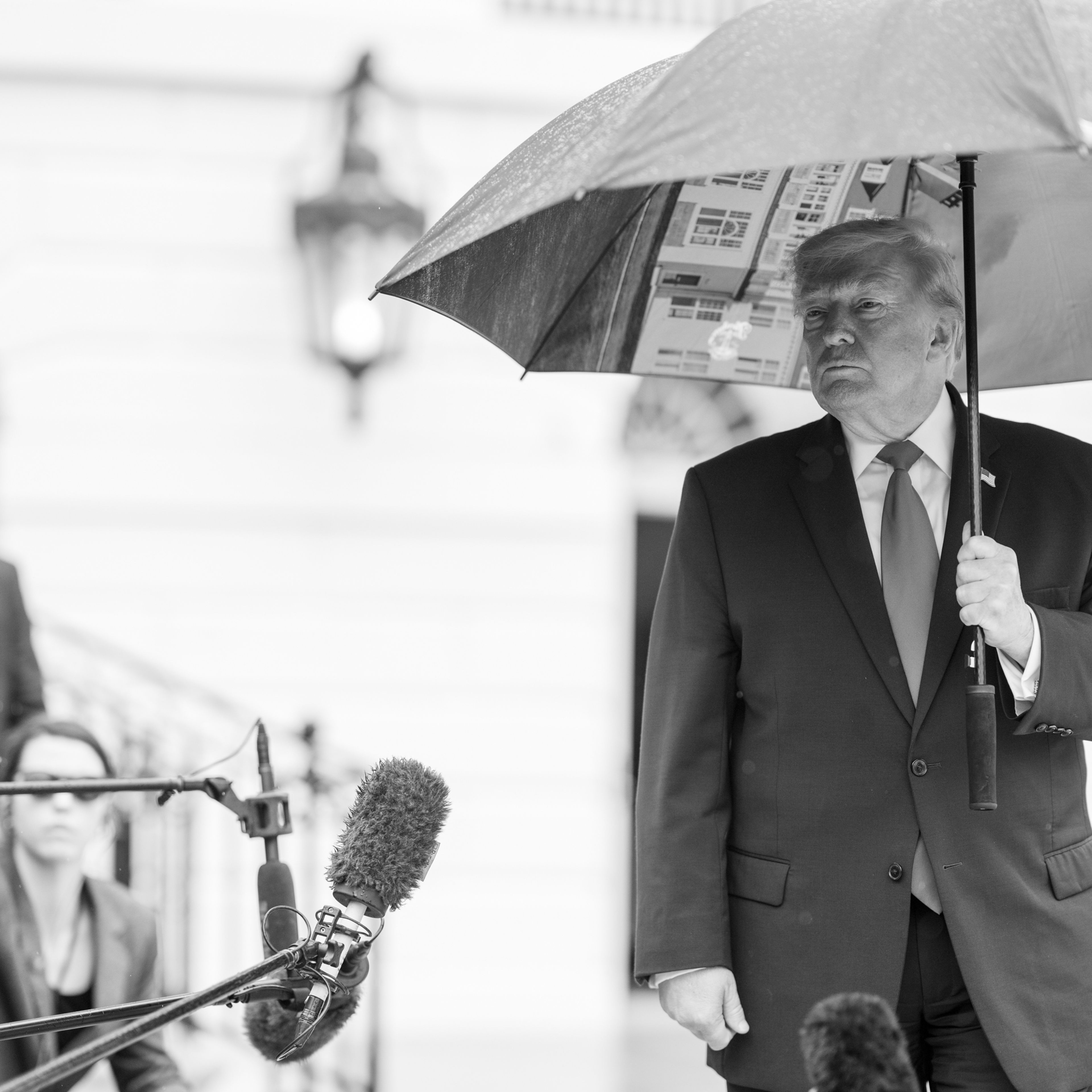
Taking an indirect swipe at US President Donald Trump, Lula argued that climate conferences offered countries an equal footing, unlike other international forums where powerful nations enjoyed privileges such as veto powers. At COP meetings, he said, all countries participated on equal terms, whereas in other institutions “the privilege of the veto and the power of money tip the scales”. Sabotaging climate conferences, he warned, meant destroying one of the most important achievements of multilateralism.
The intervention echoed concerns expressed by UN Secretary-General António Guterres, who warned at the summit that “the climate crisis is outrunning us”. Turkish President Recep Tayyip Erdoğan also linked the climate emergency to international conflicts, saying that wars, migration, poverty and humanitarian crises were increasing the need for global solidarity, while nature was paying a heavy price for armed conflicts.
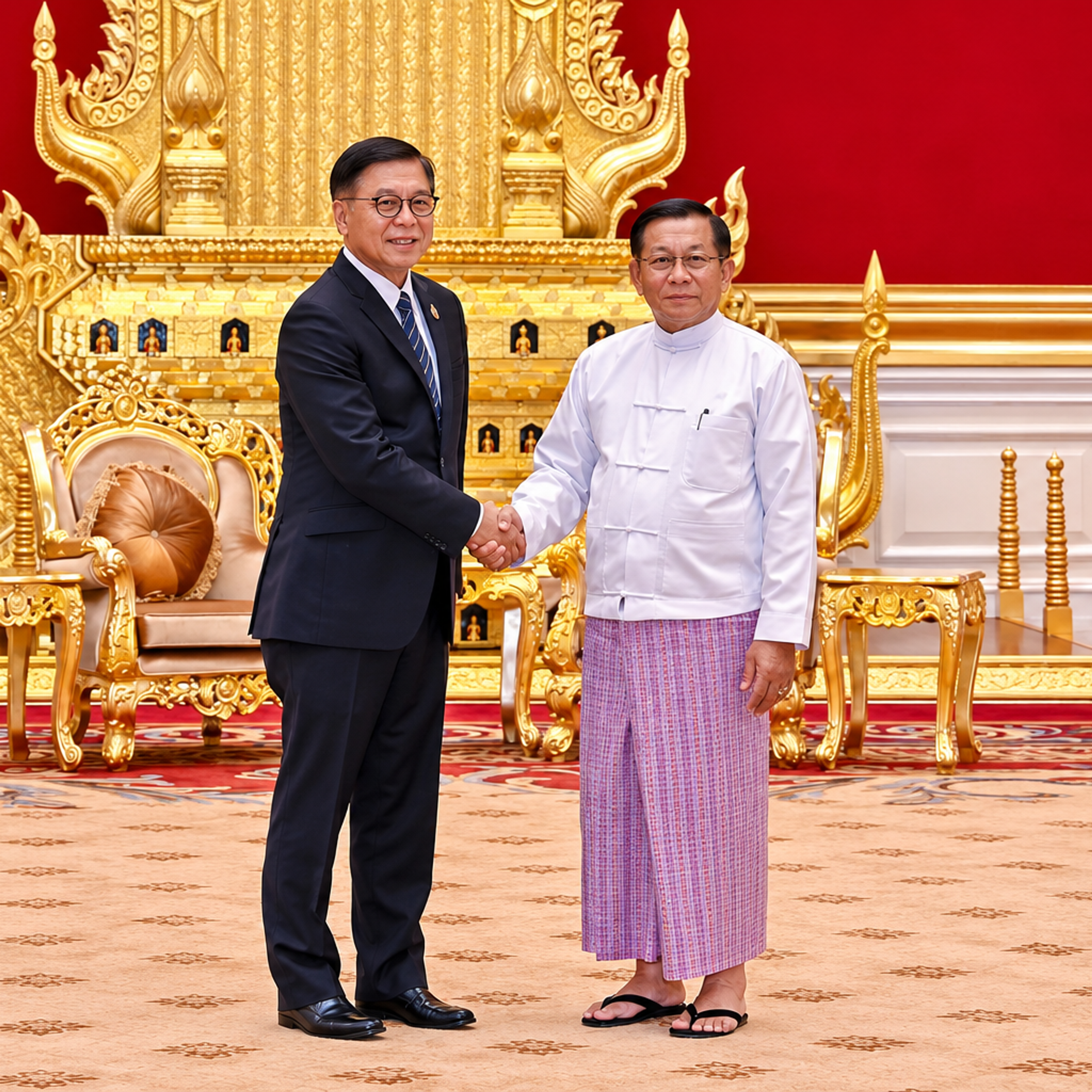
But Lula’s emphasis on the political consequences of neglecting climate action stood out. While Chinese Vice-President Han Zheng called on developed countries to lead emissions reductions and honour their climate-finance commitments, Australian Prime Minister Anthony Albanese stressed practical cooperation on clean energy, electrification and climate finance. European Commission President Ursula von der Leyen backed a global electrification pledge, while Maldives President Mohamed Muizzu demanded predictable, grant-based climate finance, warning that vulnerable countries could not be expected to borrow their way out of a crisis they had done little to create.
Lula’s message was particularly pointed in the absence of the US federal government, whose climate policies under Trump have moved away from international cooperation and towards greater support for fossil fuels. California Governor Gavin Newsom, however, attended the summit and engaged with international leaders, illustrating the distinction between Washington’s federal position and the climate diplomacy pursued by individual US states.
A green moment for the world
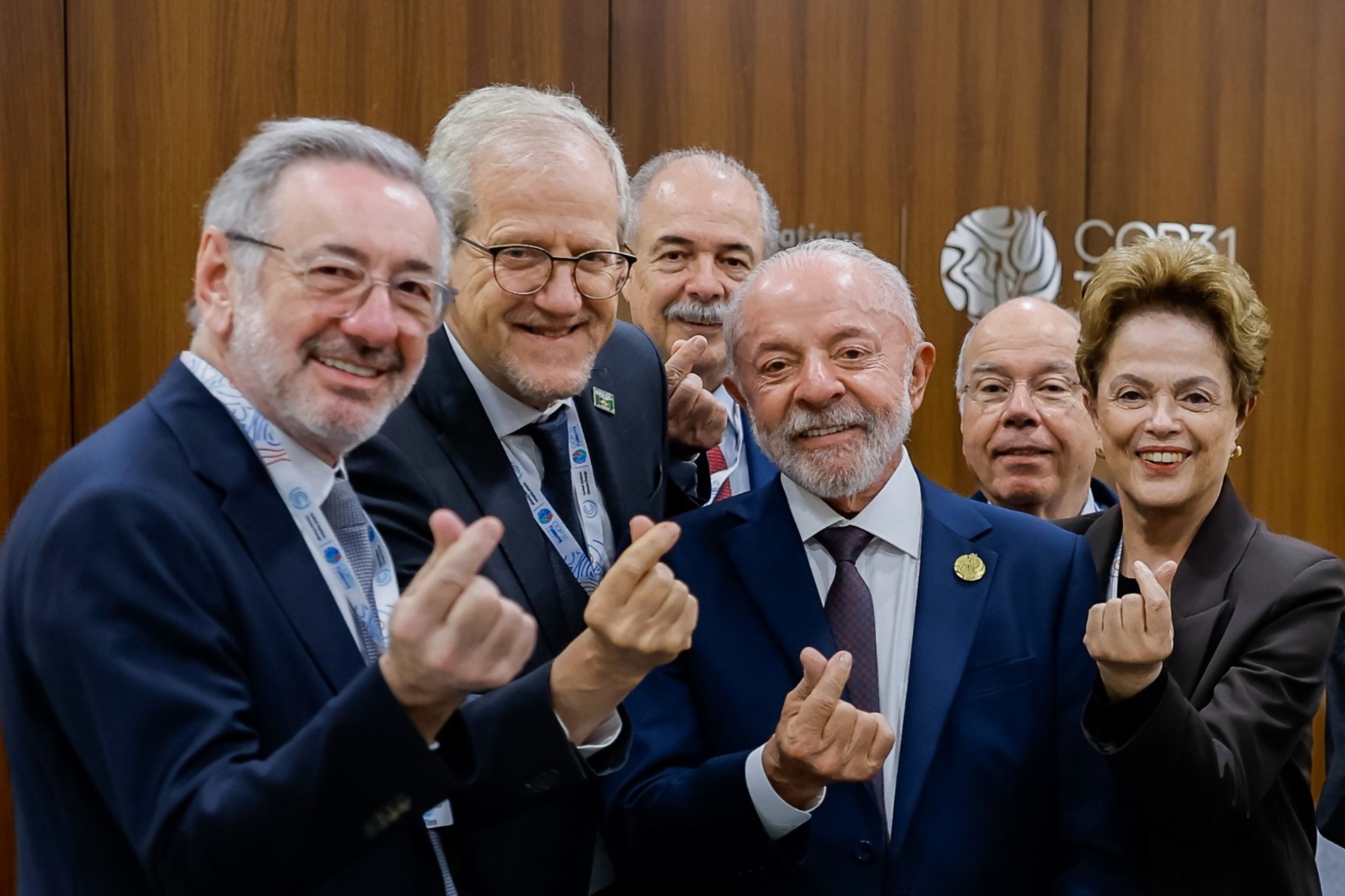
At the opening ceremony, delegates greeted Lula, 81, with spontaneous applause and chants of “Olé, olé, olé, olé, Lula, Lula!” as he arrived for a forest-protection event with his entourage. His presence was widely seen by climate diplomats as a significant political development for the talks. Some argued that Brazil’s election mattered more to the atmosphere at COP31 than the US midterm elections, which had also taken place earlier in November.
It was Lula’s first major international appearance since securing a fourth term. His victory was especially consequential because it came after a closely fought run-off against Flávio Bolsonaro, son of former president Jair Bolsonaro, whose administration had presided over a sharp deterioration in Amazon forest protection.
The result lifted the mood at COP31, which was already facing considerable challenges: the absence of US federal participation under Trump, the prospect of breaching the Paris Agreement's 1.5°C temperature threshold and reduced climate-finance commitments from developed countries. The latest UN Environment Programme assessment warns that global warming is expected to exceed 1.5°C, although sufficiently deep emissions cuts could still bring temperatures back below that level by the end of the century.
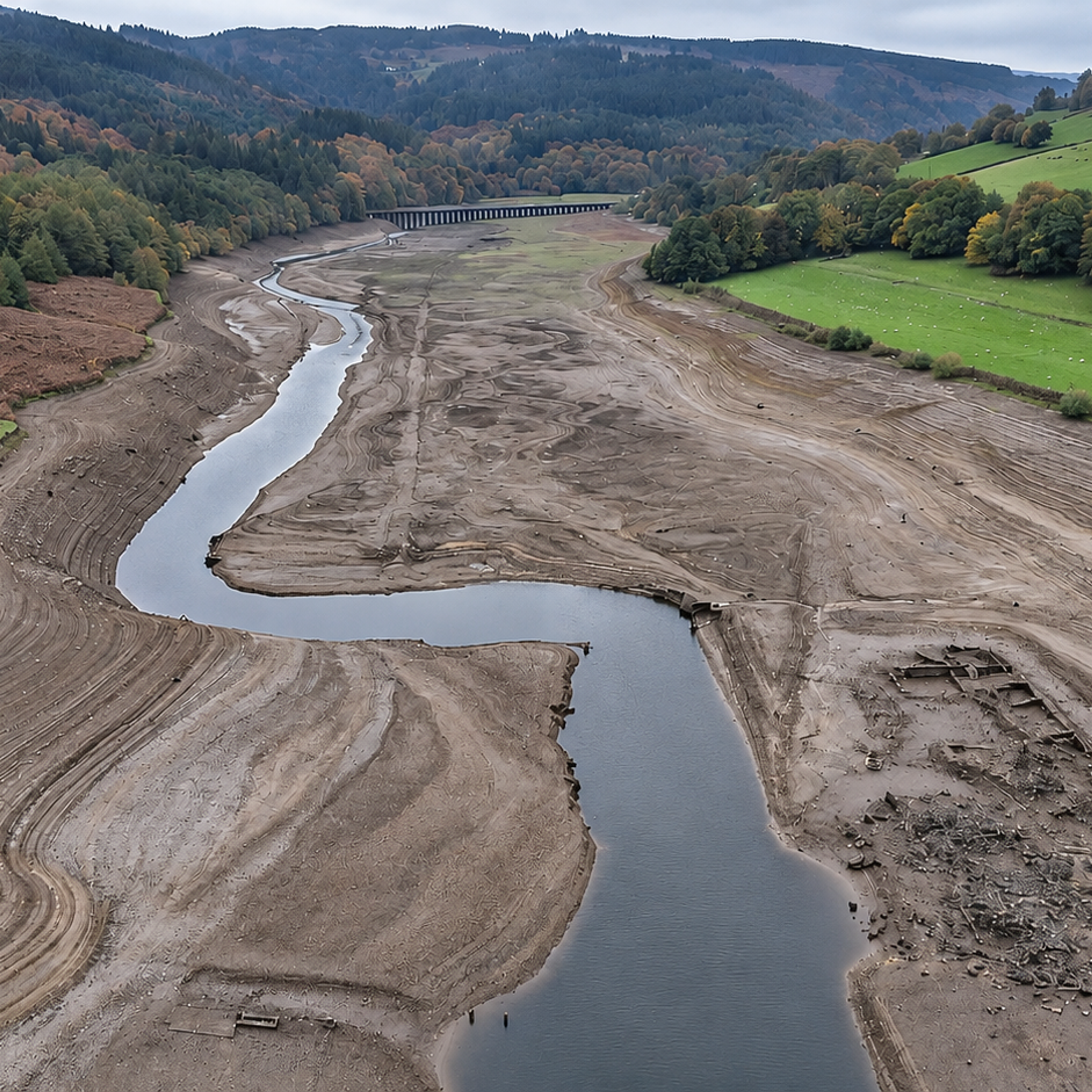
News from elsewhere also underscored the urgency of the climate crisis. Record heat and wildfires hit Europe during the summer, while deadly floods struck Nepal and China in August. Against this backdrop, Lula’s victory offered climate campaigners a reason for optimism. They had feared that Bolsonaro, like his father, would weaken environmental protections and reverse gains made in forest conservation.
Lula’s Amazon Revival
Under Lula’s administration, Amazon deforestation has fallen substantially. Brazil’s National Institute for Space Research (INPE) reported in October that deforestation in the Amazon had declined by 41.8 per cent in the August 2025-July 2026 monitoring period compared with the previous period, reaching its lowest level since records began in 1988. The Brazilian COP30 presidency has also cited an approximately 71 per cent reduction between 2022 and 2026.
International leaders were effusive in their praise of Lula and his environmental record. British Energy Secretary Ed Miliband called the day “President Lula’s COP victory party”. Speaking at a forest-protection event, Miliband described Lula’s victory as a win for climate action, forests and hope. Norway’s Prime Minister Jonas Gahr Støre also praised Lula’s “tremendous leadership”, saying his victory could “brighten up a bit” the otherwise gloomy atmosphere at the talks.
One diplomat went further, comparing Lula to the fictional Jedi master Yoda. A European diplomat said: “The Brazil election makes a huge difference in terms of the mood here. As for the US midterms, we’ll have to see.” Another European diplomat said Lula’s victory had helped on a practical level, as Brazil had hosted COP30 the previous year and delegates hoped continuity under his leadership would help consolidate the gains made there.
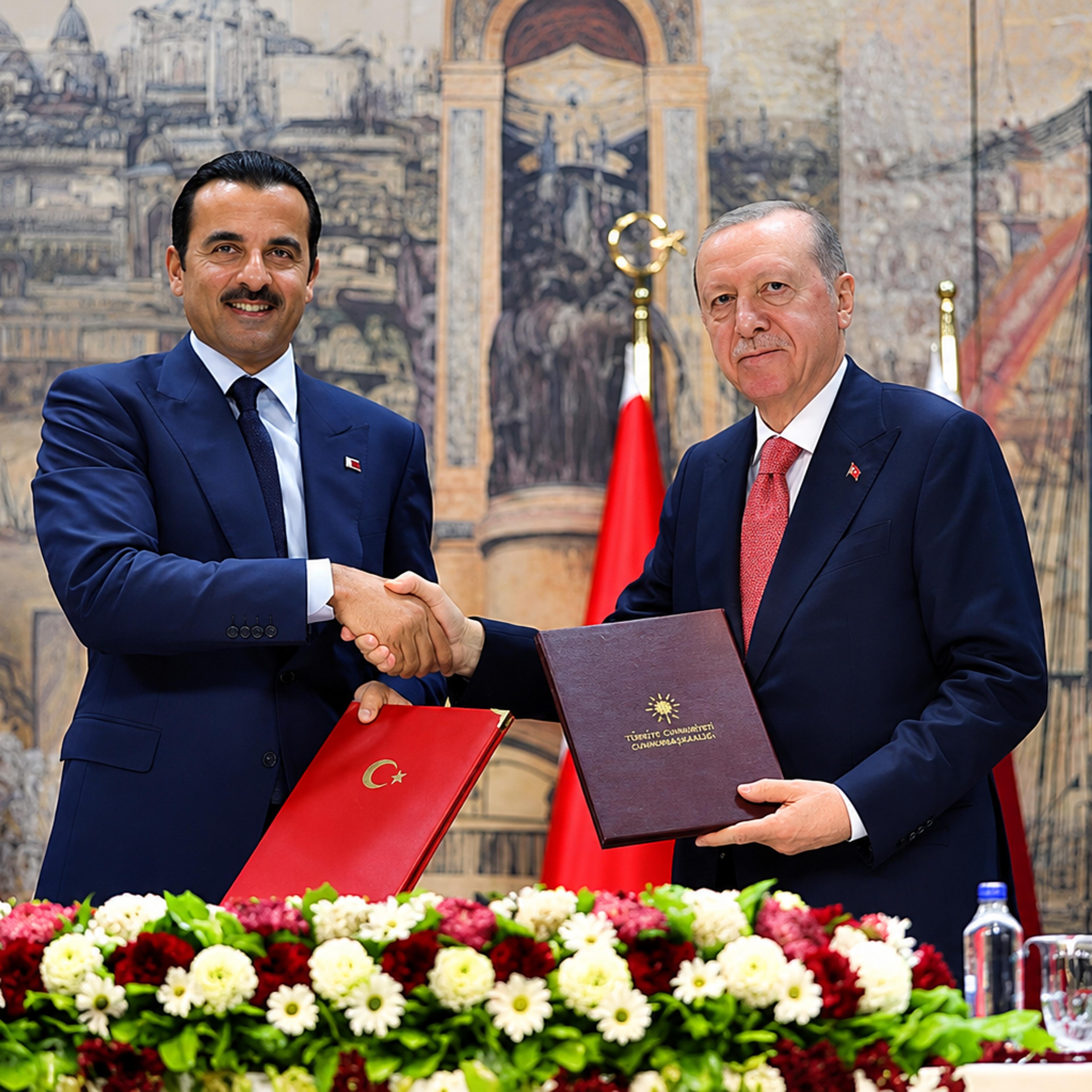
The welcome had begun even before Lula arrived. At Monday’s opening, COP30 president André Aranha Corrêa do Lago described Lula’s re-election as positive for Brazil and the international climate agenda. Turkish President Erdoğan subsequently congratulated Lula during a bilateral meeting on the sidelines of the summit and praised Brazil's work during its COP30 presidency.
Five proposals for the world
Beyond the political symbolism of his victory, Lula used his address to outline five priorities for international climate cooperation: mobilising $1.3 trillion annually in climate finance, accelerating the transition away from fossil fuels, ending deforestation, expanding support for the Tropical Forests Forever Facility (TFFF) and strengthening national emissions-reduction commitments.
His proposals built on initiatives developed during Brazil’s COP30 presidency, including the Baku-to-Belém Roadmap to raise climate finance to $1.3 trillion annually and international roadmaps for transitioning away from fossil fuels and halting deforestation.
Lula urged wealthy countries to fulfil their climate-finance commitments, arguing that developing nations could not be expected to shoulder the costs of a crisis they had contributed relatively little to creating. He also called for greater international support for the TFFF, a financing mechanism launched at COP30 to reward countries that conserve tropical forests.
Looking ahead, Lula said the next COP, to be held in Africa, would offer an opportunity to mobilise resources for a continent “strangled by debt”. He argued that climate finance must recognise the particular vulnerability of developing countries and avoid adding to their existing debt burdens.
Highlighting Brazil’s environmental record, Lula said Amazon deforestation had fallen by 71 per cent between 2022 and 2026 and that the country's emissions were down 42 per cent since 2005. “The climate crisis is also a crisis of injustice,” he said.
The most pointed message came towards the end of his speech, when Lula linked his electoral victory directly to the struggle against climate change and environmental destruction.
“Brazil went to the polls two weeks ago. In an unprecedented mobilisation, the Brazilian people took up the weapons of democracy…and confronted those who deny the evidence of science… and threaten the survival of the world’s largest rainforest, its greatest biodiversity, and its largest freshwater reserve,” he said.
He described his victory as the triumph of a national vision that placed sustainability at its core. He also credited Indigenous people who had travelled long distances to defend their territories, elderly voters who had left their homes to prevent political setbacks and young people who had mobilised for their future.
The fight against climate change, he said, “is held together by the vote of every woman and every man who wants to make a difference”.
He ended with a declaration that captured both the political significance of his return to office and Brazil's renewed ambition in international climate diplomacy: “Brazil is back.”